
Blooming
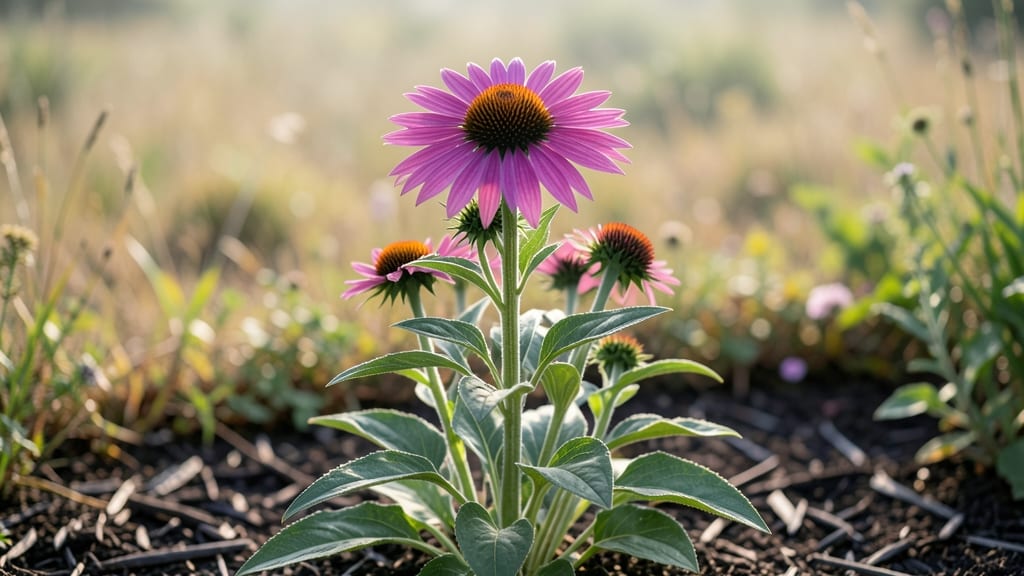
Coneflower blooms in the coneflower bloom season, turning your garden into a pollinator paradise—but getting that perfect timing and vibrant display takes more than just planting and hoping.
If you’ve ever dreamed of a garden bursting with vibrant purple, pink, or white blooms that attract pollinators all summer long, timing your coneflower (Echinacea) planting and care is everything.
In USDA Zone 6a, where I garden, the magic happens from July through September, but the exact months shift depending on your region—northern zones see earlier blooms, while southern gardens can stretch the season into October.
Below, I’ll break down the best months for peak color in your area, how to coax extra blooms with simple care tricks, and which varieties stay showy the longest—so you can enjoy those cheerful, long-lasting flowers for weeks.
Coneflower bloom season by US planting zones: exact months for peak color
Timing your coneflower (Echinacea) planting for peak blooms depends entirely on your USDA planting zone. In cooler northern zones, these perennials burst into color as early as June, while southern gardens enjoy late-summer displays through October.
Understanding your zone’s exact bloom window helps you choose varieties that align with your climate—and extend your garden’s pollinator-friendly season from early summer to frost.
Coneflowers thrive in Zones 3 through 9, but their bloom timing shifts dramatically. For example, Zone 3 gardens see first blooms in late June, while Zone 9 coneflowers may still flower in November if temperatures remain mild.
The key to maximizing blooms? Planting early-season, mid-season, and late-season varieties together for a staggered, continuous display.
Climate also plays a critical role. Cooler northern zones often experience shorter bloom seasons (6-8 weeks), while southern zones can enjoy 10+ weeks of color if protected from early frosts.
Humidity levels in Zones 7-9 can shorten bloom duration, while drier western zones (like California) may see longer seasons due to less fungal pressure.
| USDA Zone | Peak Bloom Months | Early Varieties | Late Varieties | Bloom Duration |
|---|---|---|---|---|
| Zones 3-4 | Late June - Early August | 'White Swan' | 'Magnus' | 6-7 weeks |
| Zones 5-6 | Early July - Mid-September | 'Green Envy' | 'Hot Papaya' | 8-9 weeks |
| Zones 7-8 | Mid-July - Late October | 'Cheyenne Spirit' | 'Sombrero Purple' | 10-12 weeks |
| Zones 9 | Early August - November | 'Purple Beauty' | 'Whitewell' | 12+ weeks |
To adjust planting for optimal results, start with early-season varieties like 'White Swan' in Zones 3-4, as they bloom first and set the stage for longer seasons. In Zones 5-6, mix 'Green Envy' (green petals) with 'Hot Papaya' (orange) for a two-month color show.
Southern gardeners in Zones 7-9 should prioritize late-blooming varieties like 'Sombrero Purple', which often rebloom after deadheading.
Climate adjustments matter most in transition zones like Zone 6b, where a late spring frost can delay blooms by 2-3 weeks. If you’re in these areas, plant container-grown coneflowers in May instead of starting seeds early.
This gives roots time to establish before summer heat arrives, ensuring stronger stems and more abundant blooms.
Soil temperature also influences bloom timing. Coneflowers need soil temps above 60°F to thrive. In northern zones, this often means waiting until mid-May to transplant seedlings, while southern zones can plant as early as March.
Use a soil thermometer to check—planting too early in cold soil can stunt growth and delay flowering.
For extended color, pair early bloomers with late-season varieties. For example, in Zone 5, plant 'Cheyenne Spirit' (blooms July) alongside 'Hot Papaya' (blooms September). This creates a continuous pollinator buffet from July through October, even in cooler climates.
The trick? Deadhead spent blooms every 2 weeks to encourage new growth.
Watering strategies also impact bloom duration. In drought-prone zones (like Zone 7b), water deeply once weekly during bloom season to prevent stress. Overwatering in humid zones (like Zone 8) can promote fungal diseases that shorten bloom time.
Always water at the base of plants in the morning to reduce moisture on foliage.
Finally, mulch with 2-3 inches of organic mulch (like straw or
How to extend coneflower bloom season: pruning, deadheading, and soil tips
Want your coneflowers to bloom from early summer through frost? The secret lies in strategic pruning, deadheading, and soil care. These hardy perennials naturally produce one main bloom cycle, but with the right techniques, you can coax second flushes and vibrant color for months.
Let’s dive into the proven methods that’ll transform your garden into a pollinator paradise.
First, timing is everything. Most coneflower varieties bloom from July to September, but with proper care, you can push that window by 4-6 weeks. Start by focusing on deadheading—removing spent blooms—which signals the plant to redirect energy into new flowers instead of seed production.
This simple step can extend your bloom season by 30-50%, especially for reblooming varieties like 'Magnus' or 'White Swan'.
- Deadhead regularly: Snip off spent blooms every 1-2 weeks during peak season to encourage new growth.
- Prune for second flushes: Cut back 1/3 of stems after first bloom to trigger a late-season rebloom.
- Amend soil in spring: Mix in compost and bone meal for phosphorus-rich blooms.
- Water deeply but infrequently: 1 inch per week during drought to prevent stress.
- Avoid over-fertilizing: Too much nitrogen = more foliage, fewer flowers.
For pruning, don’t overdo it—coneflowers store energy in their roots. After the first main bloom cycle, wait until late summer (August in most zones) to trim back 1/3 of the plant’s height.
This removes spent stems and stimulates a second round of blooms just as pollinators need them most. Use clean, sharp shears to avoid damaging the central cone, which can harbor diseases.
Soil plays a critical role in bloom duration. Coneflowers thrive in well-draining, slightly acidic soil (pH 6.0-7.0). Before planting, amend your soil with aged compost and a slow-release fertilizer like 10-10-10.
In drought-prone zones, mulch with 2-3 inches of straw to retain moisture and suppress weeds, which compete for nutrients. Overwatering is a common mistake—coneflowers hate soggy roots, so let the soil dry slightly between waterings.
Don’t forget about watering strategies! During peak bloom season (June-August), water deeply in the morning to reduce fungal risks. Once established, coneflowers are drought-tolerant, but consistent moisture during the first growing season ensures robust root development.
In Zone 5-7, where winters are harsh, reduce watering in fall to harden off plants before dormancy.
With these techniques, your coneflowers will reward you with vibrant blooms from June through October, attracting butterflies, bees, and hummingbirds all season long. The key is consistency—stay on top of deadheading, prune at the right time, and give your plants the soil they crave.
Your garden (and pollinators!) will thank you. 🌼