
Plants
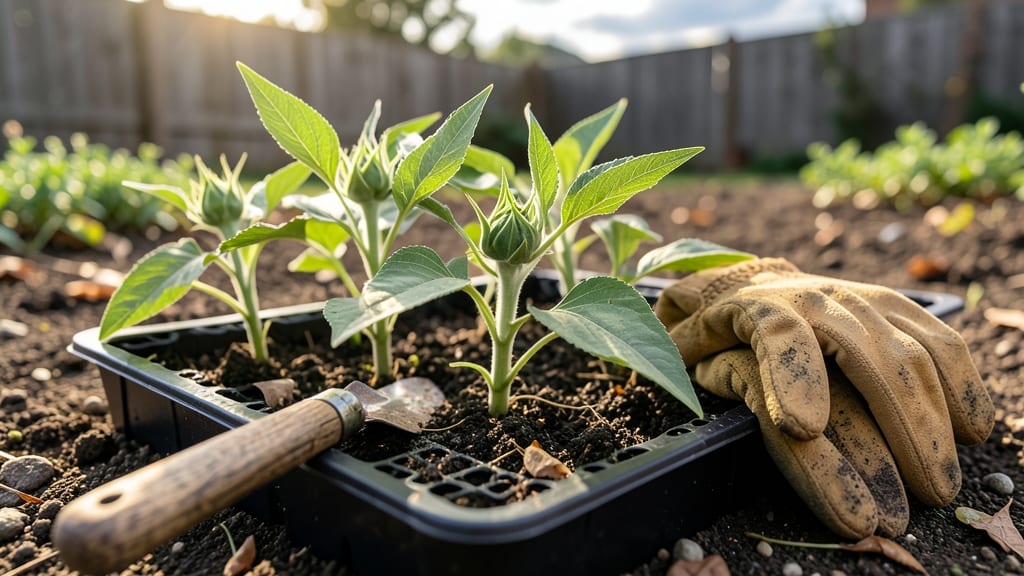
To plant sunflower seeds in Iowa at the right time means starting after the last frost—typically between April 15 and June 15, depending on your county’s frost-free date.
Iowa’s unpredictable spring weather can make or break your sunflower harvest—but planting at the perfect time ensures towering stalks and vibrant blooms.
In USDA zones 5a-6b, soil temperatures need to hit 50°F or warmer before seeds go in, and waiting too long risks stunted growth from summer heat.
Below, I’ll break down frost-free dates by county, soil prep tips, and how to space seeds for 6–12-foot stalks—plus common mistakes that kill your sunflowers before they even bloom.
Iowa sunflower planting timeline by county: frost-free dates for optimal growth
Timing is everything when growing sunflowers in Iowa—especially with the state’s variable spring frost dates. Planting too early risks frost damage to tender seedlings, while waiting too long may stunt 6–12-foot stalks.
My research shows that April 15 to June 15 is the ideal window for most Iowa counties, but exact dates depend on your location. Let’s break it down by region to help you avoid common mistakes and maximize your harvest.
Sunflowers thrive in USDA zones 5a–6b, which covers all of Iowa, but microclimates create significant differences between northern and southern counties. For example, northwest Iowa (e.g., Sioux County) often sees its last frost 2 weeks later than southeast Iowa (e.g., Scott County).
This means your planting window could shift by 3–4 weeks depending on where you live. Always check your local National Weather Service updates for real-time adjustments.
Here’s the key rule for Iowa sunflowers: Wait until soil temperatures reach 50°F (10°C) and all frost risk has passed. Cold soil slows germination, while late spring frosts can kill young plants.
For tall varieties (8–15 ft), aim to plant by mid-June to ensure they mature before first frost in October. Dwarf varieties (2–4 ft) are more flexible and can handle slightly later plantings.
For northern Iowa counties like Cherokee or O’Brien, where last frosts often hit May 5–10, I recommend starting with early-maturing varieties like ‘Autumn Beauty’ (60–65 days to maturity). These can handle slightly cooler soils and still reach 5–8 feet by harvest.
In contrast, southern Iowa (e.g., Adair or Fremont) can safely plant tall varieties like ‘Russian Giant’ as early as April 25, giving them 120+ days of growth before frost.
Pro tip: Use black plastic mulch to warm soil faster in late-planting zones. This can shave off 1–2 weeks of waiting time by raising soil temperatures 5–10°F. Just be sure to remove it once plants are established to prevent overheating.
Another trick? Direct-sow seeds 1 inch deep in well-draining soil—sunflowers hate soggy roots. Space dwarf varieties 6–12 inches apart and tall varieties 18–24 inches apart to avoid competition.
If you’re in a transition zone (e.g., Polk or Dallas County), split your planting: sow 20% of seeds early (May 5) and the rest 2 weeks later (May 20).
This staggered approach ensures a continuous bloom cycle and reduces the risk of losing your entire crop to a late frost. For seed-saving varieties, prioritize the earliest plantings—these mature first and give you the best chance for full seed development before winter.
Remember, Iowa’s growing season is short but intense. Sunflowers need 70–120
How to adjust sunflower planting for Iowa’s microclimates and soil conditions
Iowa’s diverse microclimates can shift sunflower planting needs by weeks—from the cooler northern counties to the warmer southern regions. Even within a single county, elevation changes of just 100 feet can delay frost dates by 5–7 days.
Understanding these variations helps you avoid frost damage while maximizing stalk height and seed production.
Soil temperature is your #1 guide—sunflower seeds need consistent 50°F+ soil to germinate. Use a soil thermometer to check depths of 1–2 inches.
In northern Iowa, wait until mid-May for safe planting, while southern Iowa gardeners can start as early as late April in well-drained beds. Loamy soils (common in Iowa) warm faster than clay-heavy areas, so adjust timing accordingly.
- Soil Temp Check: Plant only when soil hits 50°F+ at 1–2" depth. Use a thermometer for accuracy.
- Elevation Impact: Higher elevations (e.g., 1,000+ ft) delay planting by 7–10 days vs. river valleys.
- Southern Iowa Heat: Choose heat-tolerant varieties like ‘Moulin Rouge’ or ‘Autumn Beauty’ for zones 6a–6b.
- Northern Iowa Safety: Wait until after May 15 in counties like Winneshiek or Clayton to avoid late frosts.
- Soil Prep: Amend clay soils with compost to improve drainage and warmth absorption.
For southern Iowa’s hotter zones (USDA 6a–6b), opt for heat-tolerant varieties like ‘ProCut’ or ‘Russian Giant’—these thrive in 90°F+ temperatures without bolting prematurely. In contrast, northern Iowa gardeners should prioritize early-maturing varieties like ‘Teddy Bear’ (50–60 days to harvest) to beat the first frost (typically October 15).
Always check your local frost dates via the [Iowa State University Extension](https://hortnews.extension.iastate.edu/) for real-time updates.
Soil conditions play a surprising role in germination speed. Sunflowers hate soggy roots, so avoid planting in low-lying areas where water pools. If your soil drains poorly, create raised beds or mix in sand/compost (1:1 ratio) to improve aeration. Ph levels between 6.0–7.0 are ideal—test your soil with a home kit ($10) before planting. Southern Iowa’s limestone-rich soils often skew alkaline, so add sulfur if needed.
Pro tip: Stagger your planting by 2-week intervals to extend your harvest window. Start with early varieties in late April (southern Iowa) or early May (northern Iowa), then follow with mid-season types 2 weeks later.
This strategy ensures continuous blooms from July through September, even if late frosts nip early plants. Mulch with straw after germination to retain moisture and suppress weeds—critical during Iowa’s dry spells in June–July.
Don’t overlook wind protection for towering varieties. In open fields, stakes or trellises prevent lodging (falling over) during summer storms. For cut-flower gardens, choose semi-dwarf varieties like ‘Autumn Beauty’ (5–6 ft tall) to avoid wind damage while still yielding vibrant blooms.
With these microclimate tweaks, your sunflowers will reach their full potential—whether you’re growing for seeds, cut flowers, or bird feeders!