
Flowers
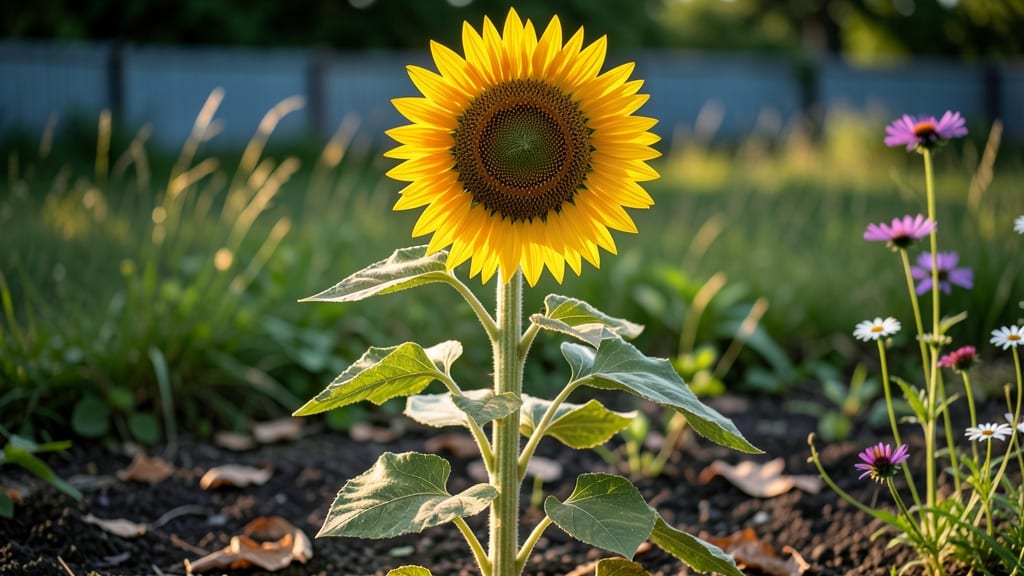
Sunflowers need how much sun do sunflowers need at least 6 to 8 hours of direct sunlight daily to thrive and reach their stunning, towering heights 🌻—skipping this step means smaller blooms or no flowers at all.
Picture this: you’ve just planted your sunflower seeds in April, dreaming of a golden giant by summer, only to watch them stretch toward the sky like a sleepy cat reaching for the sun.
Without enough light, they’ll grow tall but weak, with tiny, underwhelming blooms—or worse, no flowers at all.
Most gardeners assume "full sun" means all day, but sunflowers are picky about quality over quantity. Six hours of bright, unfiltered sunlight is the magic number, and they’ll reward you with stems that soar toward the sky and blooms that turn heads.
In USDA Zone 6a, that means placing them where they’ll catch the morning sun and avoid afternoon shade.
Here’s the good news: even if your yard isn’t a sunbathing paradise, I’ll show you how to coax the most out of your sunflowers—whether that means choosing the right variety, tweaking their placement, or working with what you’ve got. Let’s get those towering blooms growing!

Sunflower sunlight requirements: the science behind 6+ hours daily
Sunflowers thrive under bright sunlight, but their minimum sunlight needs often surprise gardeners. While they can tolerate 6 hours of sun daily, true peak performance requires 8+ hours of direct exposure.
This isn't just about aesthetics—sunlight directly impacts stem strength, flower size, and seed production through photosynthesis efficiency.
The botanical magic happens in sunflower leaves, where chlorophyll absorbs sunlight to convert carbon dioxide and water into glucose—the plant's fuel. More sunlight means more energy for taller stems and larger blooms.
For example, a standard sunflower variety like 'Mammoth' can grow 12-14 feet tall with full sun, but may only reach 6 feet with partial shade.
Here's the science: Sunflowers are C3 plants, meaning their photosynthesis efficiency increases with light intensity. However, they have a critical threshold—below 6 hours of sun, growth slows dramatically.
This is why gardeners in northern climates often see smaller blooms or leggy stems if planted in partial shade.
Now, let's break down the sunlight spectrum for sunflowers using this summary-table to visualize their needs:
The ideal sunlight window for sunflowers is typically 6 AM to 6 PM, aligning with their natural photosynthetic peak during daylight hours. In USDA Zone 6a, where frost-free days average 165 days, this translates to 10+ hours of potential sunlight during summer months—perfect for sunflowers.
Sunlight also affects flower development. A fully sun-drenched sunflower will produce larger, more vibrant blooms with denser seed heads. For instance, the 'Autumn Beauty' variety can produce 200+ seeds per head in full sun, but may yield only 50-100 seeds with partial shade.
The energy difference is staggering when you consider each seed requires photosynthetic energy to develop.
For gardeners in urban areas with limited space, south-facing windows can provide 6-8 hours of direct light—ideal for container-grown sunflowers. However, even in these conditions, rotating pots every few days ensures even sunlight exposure and prevents leggy growth toward the light source.
One common misconception is that morning sun alone is sufficient. While morning sunlight is beneficial, afternoon sun (especially in summer months) provides higher light intensity, which sunflowers crave. The combination of both creates the optimal growing conditions for robust plants.
If you're growing sunflowers for cut flowers, prioritize full sun exposure to maximize stem length and bloom longevity. A fully sun-grown sunflower stem can last 10-14 days in a vase, compared to just 5-7 days for shade-grown blooms.
This is because sunlight strengthens cell walls and increases water uptake efficiency.
For those in northern latitudes where summer days are shorter, consider early planting (as soon as soil reaches 50°F) to maximize the growing season.
Even 6 hours of sun in these regions can yield decent-sized blooms, but supplemental grow lights can extend daylight to 12+ hours for commercial
How to optimize sunflower growth when sunlight is limited
Even the sunniest gardens can have shady corners, but that doesn’t mean you have to skip growing sunflowers. With the right strategies, you can still coax healthy growth and vibrant blooms from partial-sun locations.
The key lies in selecting the right varieties, maximizing light exposure, and making smart adjustments throughout the growing season.
Sunflowers thrive best with 6-8 hours of direct sunlight, but some varieties adapt better to lower light conditions.
By choosing dwarf or semi-dwarf varieties, using reflective surfaces, and pairing them with the right companions, you can still grow sunflowers that bring joy to your garden—even in less-than-ideal spots.
Opt for dwarf or semi-dwarf sunflowers like 'Teddy Bear' or 'Moulin Rouge', which thrive in 4-6 hours of sunlight.
Place white gravel or mirrors near your sunflowers to bounce extra light onto their leaves, increasing their exposure by 20-30%.
Position sunflowers south or west of fences, walls, or trees to capture reflected sunlight during peak hours.
Start seeds 4-6 weeks earlier indoors or transplant seedlings to give them a head start before summer shade intensifies.
Pair sunflowers with tall plants like corn or beans to create a natural windbreak while allowing light to filter through.
One of the easiest ways to boost sunlight exposure is by selecting sunflower varieties bred for partial shade. 'Teddy Bear' sunflowers, for example, reach only 3-4 feet tall but produce bright, cheerful blooms even with 4-5 hours of sunlight daily.
These compact varieties are also perfect for container gardening on patios or balconies where light is limited.
If your garden has morning sun but afternoon shade, focus on positioning your sunflowers to capture the brightest hours of the day. Sunflowers follow the sun, so planting them on the east or south side of your garden ensures they get the most direct light when it matters most.
For afternoon shade, consider dwarf varieties that can thrive with just 3-4 hours of morning sun.
Don’t overlook the power of companion planting to improve sunlight access. Tall plants like corn or sun-loving herbs can act as living trellises, allowing sunflowers to grow upward while still receiving indirect light.
Additionally, low-growing companions like marigolds or nasturtiums can help reflect light onto sunflower leaves, giving them a natural light boost.
Finally, monitor your sunflowers throughout the season and make adjustments as needed. If you notice leggy stems or pale leaves, it’s a sign they need more light.
Try pruning nearby shade sources or moving containers to sunnier spots. With these strategies, you’ll still enjoy stunning sunflowers—even in partial shade!