
Flowers
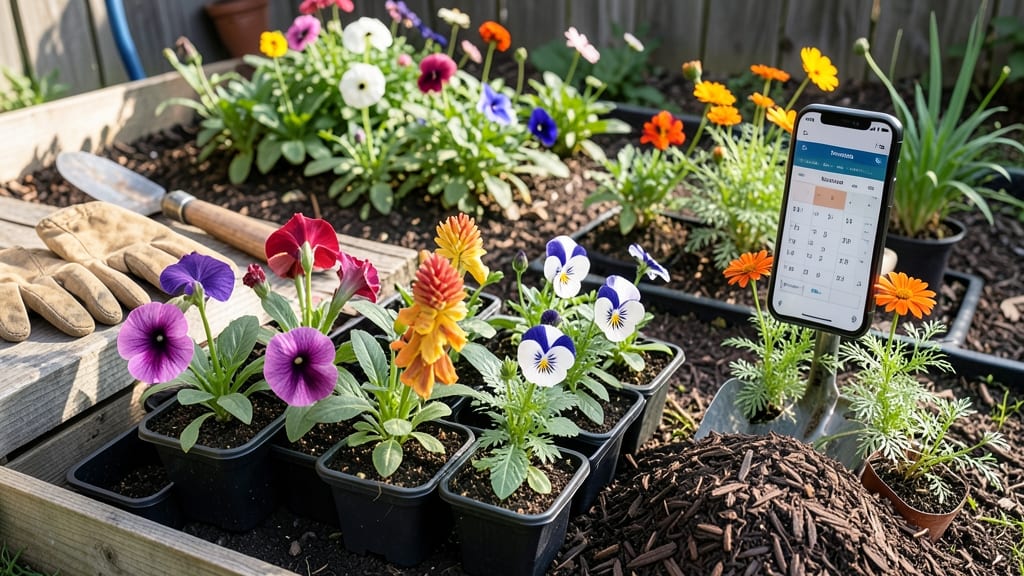
To plant flowers in Portland, Oregon, aim for early spring (March–April) or fall (September–October), when the USDA Zone 8a frost risks ease.
Portland’s mild but unpredictable weather makes timing your flower planting critical—get it wrong, and your blooms may arrive late or fail entirely. Here’s your USDA Zone 8a planting schedule for annuals, perennials, and bulbs, tailored to Portland’s frost dates and microclimates.
Annuals like petunias and marigolds thrive when sown after April 15, while perennials benefit from a fall planting window to establish roots before winter. Bulbs, on the other hand, should be planted in late summer or early fall for spring blooms.
In this guide, you’ll discover the best months to plant, how to prepare your soil, and which flowers are best suited for Portland’s climate. Let’s get those 🌸 blooming!
Portland flower planting calendar: key deadlines by variety type
Portland’s USDA Zone 8a climate offers a long growing season, but frost dates and rain patterns demand precise timing. With an average last frost of April 15 and first frost around November 1, your planting windows are shorter than you think.
Annuals like petunias and marigolds need warmth, while perennials like black-eyed Susans thrive when planted early. Let’s break down the exact deadlines for each flower type to maximize your blooms.
Start with cool-season annuals like pansies and snapdragons in early March—they tolerate light frosts. Heat-loving annuals such as zinnias and sunflowers must wait until after May 1 to avoid frost damage.
For perennials, divide and transplant in early spring (March–April) or fall (September–October) when soil temperatures drop. Bulbs like tulips and daffodils need fall planting (September–October) to establish roots before winter.
Here’s your Portland flower planting calendar with exact deadlines for annuals, perennials, and bulbs:
For annuals, sow seeds indoors 6–8 weeks before your last frost (around February 15) to get a head start. Transplant seedlings outdoors only after soil temperatures exceed 50°F, typically by mid-May. Perennials are more forgiving—plant them in early spring (March–April) or fall (September–October) when the soil is workable but not waterlogged from winter rains.
Bulbs are the easiest to time: Fall-planted bulbs like tulips and daffodils need 6–8 weeks of cool soil before winter, so aim for September–October. Summer-blooming bulbs like dahlias can wait until after the last frost (mid-April) but need consistent warmth to thrive. Adjust for microclimates—sheltered spots may allow earlier planting, while windy or low-lying areas need later deadlines.
Pro tip: Use row covers or cold frames to extend your spring planting window by 2–3 weeks. This protects tender seedlings from late frosts and gives you earlier blooms for your garden. Just remove covers once daytime temperatures consistently stay above 55°F to avoid overheating.
Remember, Portland’s rainy season (October–May) means your soil stays moist longer. Avoid overwatering in spring—most flowers prefer well-draining soil and will rot if soggy. Amend heavy clay with compost or sand before planting to improve drainage.
Mulch after planting to retain moisture and suppress weeds, especially in spring and fall when rains are frequent.
If you miss a deadline, don’t panic! Container gardening lets you grow heat-loving annuals like geraniums or begonias on patios or balconies, where you control the microclimate. Just move containers indoors before first frost (around October 15) to salvage your plants for next year.
Now that you’ve got your Portland planting calendar, mark these dates on your calendar: April 15 (last frost), May 1 (safe for heat-lovers), and October 1 (first frost prep).
With this schedule, you’ll enjoy continuous blooms from spring to fall—no more missed deadlines or wilted dreams! 🌷
How Portland’s microclimates affect flower planting times
Portland’s varied terrain creates microclimates that can shift your flower planting schedule by 2–4 weeks. If your neighbor’s geraniums bloom early while yours struggle, it’s likely due to elevation differences or urban heat islands.
West Portland’s lower elevations (500–600 ft) warm faster than East Portland’s hills (up to 1,000 ft), creating earlier planting windows for heat-loving flowers like lupines or beardtongue.
Urban areas like Downtown or Pearl District trap heat, allowing you to plant tender annuals like marigolds 1–2 weeks earlier than in Southeast Portland’s cooler river valleys. Meanwhile, wind-exposed sites near the Willamette River or Columbia River Gorge demand hardier varieties or windbreaks to prevent transplant shock.
Container gardens add another layer: they heat up faster in sun and dry out quicker, so adjust planting times 1–2 weeks later than in-ground beds. For example, petunias in pots may need to wait until May 1 in full sun, while in-ground plantings can start April 15.
For bulbs, like daffodils or tulips, plant in October–November across all microclimates—but East Portland’s cooler soils may need earlier planting (by October 1) to establish roots before winter. In West Portland, you can wait until November 1 without risking frost damage.
Use windbreaks (like bamboo fencing or evergreen hedges) to protect delicate stems in exposed areas. For example, delphiniums planted near the Columbia River may need staking or shelter to prevent toppling. Monitor local frost forecasts (check Oregon State University’s updates) and adjust your schedule if late frosts threaten.
Pro tip: Test your microclimate by planting calendula (heat-tolerant) and snapdragons (cold-hardy) side by side. If one thrives and the other fails, you’ve pinpointed your local growing conditions. Adjust future plantings accordingly!