
Flowers
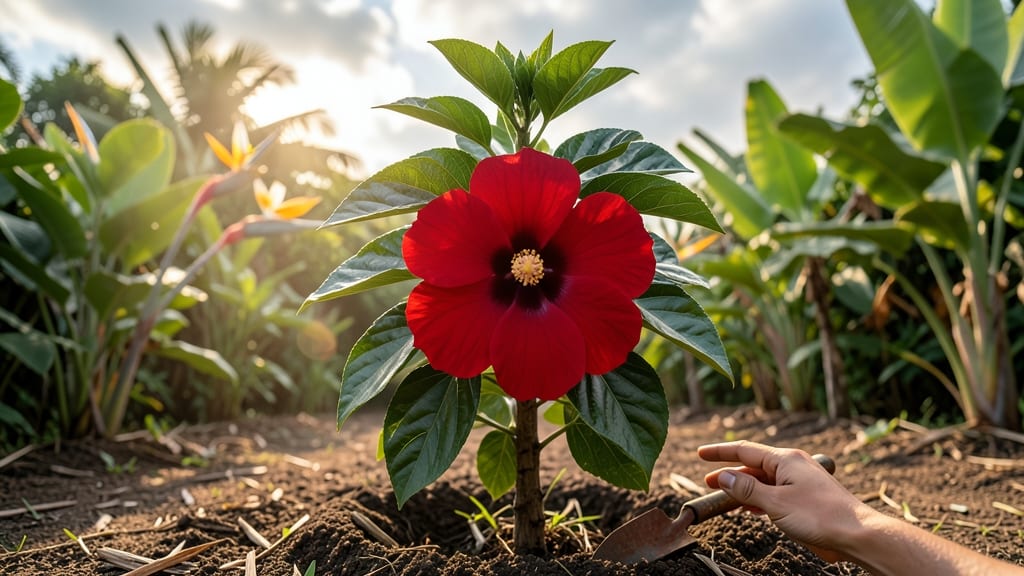
The largest hibiscus flower varieties can produce blooms up to 12 inches wide, turning your garden into a breathtaking tropical showcase.
Imagine a hibiscus flower so massive it could rival a dinner plate—some varieties grow flowers up to 12 inches wide, turning your garden into a tropical paradise. These towering giants aren’t just stunning; they’re hardy, long-blooming powerhouses that thrive with the right care.
If you’ve ever dreamed of growing hibiscus plants that dominate your landscape, you’re in the right place. The key to cultivating these giants lies in selecting the right varieties—like Hibiscus rosa-sinensis or Hibiscus syriacus—and providing the perfect conditions for their massive blooms.
In this guide, I’ll walk you through everything from choosing the best hibiscus types to mastering sunlight, soil, and pruning techniques that maximize flower size. Whether you’re a beginner or a seasoned gardener, you’ll discover the secrets to growing hibiscus flowers that steal the show.
Top 5 largest hibiscus varieties and their stunning bloom sizes
If you've ever dreamed of growing hibiscus flowers so large they could double as dinner plates, you're in luck! Some hibiscus varieties produce blooms measuring 10+ inches wide, transforming your garden into a tropical spectacle.
These giant-flowered hibiscus aren't just showstoppers—they're also surprisingly hardy once you understand their care requirements.
The key to growing these massive blooms lies in selecting the right hibiscus cultivars and providing optimal growing conditions.
From the tropical giant hibiscus Hibiscus rosa-sinensis 'Giant Red' to the hardy rose-of-Sharon hybrids, each variety brings something unique to your landscape while delivering jaw-dropping flower sizes that will impress even the most discerning gardeners.
| Variety | Max Bloom Size | Mature Height | Hardiness Zone | Bloom Duration |
|---|---|---|---|---|
| Hibiscus rosa-sinensis 'Giant Red' | 12 inches | 10-15 ft | 9-11 | Year-round (tropical) |
| Hibiscus syriacus 'Blue Chiffon' | 8-10 inches | 6-10 ft | 5-9 | Summer to fall |
| Hibiscus schizopetalus 'Scarlet Fan' | 7-9 inches | 8-12 ft | 10-12 | Summer |
| Hibiscus mutabilis 'Copper Chief' | 8-10 inches | 8-12 ft | 7-10 | Summer to frost |
| Hibiscus moscheutos 'Disco Belle' | 10-12 inches | 4-6 ft | 5-9 | Summer |
At the top of our list is the Giant Red hibiscus, which produces 12-inch-wide blooms that can reach nearly a foot in diameter. This tropical hibiscus giant thrives in warm climates and rewards gardeners with continuous blooming when given the right care.
Its deep red flowers are so striking they'll become the focal point of any garden bed.
The Blue Chiffon rose-of-Sharon offers a stunning contrast with its lavender-blue blooms measuring 8-10 inches across. Unlike its tropical cousins, this hardy hibiscus variety can withstand cooler temperatures, making it perfect for gardeners in USDA zones 5-9.
Its delicate petals and long bloom season from summer to fall make it a standout.
For those who love unique textures, Hibiscus schizopetalus delivers with its fan-shaped, scarlet blooms that spread 7-9 inches wide. This tropical hibiscus has an almost feathery appearance that sets it apart from traditional hibiscus varieties. It thrives in zones 10-12 and adds an exotic touch to any landscape.
If you're looking for a hibiscus that changes color, Copper Chief is a must-have. Its 8-10 inch flowers start pink and mature to copper-red, creating a stunning visual progression. This hardy perennial hibiscus blooms from summer until frost and handles zones 7-10 beautifully, making it versatile for many climates.
Finally, the Disco Belle swamp hibiscus delivers 10-12 inch blooms in vibrant pink with a contrasting red center. Unlike other varieties, this moisture-loving hibiscus thrives in wet soil conditions, making it perfect for rain gardens or areas with high water tables.
Its summer-long blooming ensures your garden stays colorful from June to September.
Each of these giant hibiscus varieties brings something special to your garden, whether you're aiming for maximum bloom size,
How to grow giant hibiscus flowers: sun, soil, and pruning secrets
Growing giant hibiscus flowers starts with understanding their tropical roots—these plants crave full sun exposure and nutrient-rich conditions to produce blooms that can reach 10-12 inches wide.
Unlike their smaller cousins, these giants need 6+ hours of direct sunlight daily and well-draining soil to prevent root rot while supporting their massive growth. My Hibiscus rosa-sinensis 'Giant Red' thrives in USDA zones 9-11, but with the right care, even cooler climates can enjoy their grandeur.
For maximum bloom size, I’ve found that organic compost mixed into the soil at planting time creates the perfect foundation. These plants are heavy feeders, so I supplement with a balanced 10-10-10 fertilizer every 4-6 weeks during the growing season.
The key is consistency—skipping fertilizer can stunt flower development, leaving you with smaller-than-expected blooms despite all other ideal conditions.
To achieve 12-inch blooms, plant in well-draining volcanic soil or a mix of 50% garden soil + 50% compost. Add 1 cup of bone meal at planting for phosphorus—this nutrient directly fuels flower size. In containers, use 15-gallon pots with drainage holes to prevent rootbound stress.
Pruning is where many gardeners go wrong—aggressive pruning can reduce bloom size if done at the wrong time. I prune my hibiscus after the first flush of flowers in late spring to encourage secondary blooming.
Use sterilized shears to cut back 1/3 of the plant’s height, focusing on woody stems to promote bushier growth. Avoid pruning in fall, as this can delay spring blooms by several weeks.
Cooler climates present unique challenges for giant hibiscus. If you’re in USDA zones 6-8, protect your plants with burlap wraps or move potted varieties indoors before first frost.
I’ve had success overwintering my Hibiscus syriacus by placing it in a garage with grow lights (12 hours daily) and reducing watering to every 2 weeks. This method lets them retain 80% of their foliage for a faster spring recovery.
Watering giant hibiscus requires a deep-soak approach—I water mine every 3-5 days during summer, delivering 1 gallon per plant at the base. Morning watering prevents fungal diseases like powdery mildew, which can stunt flower development.
Mulch with 2-3 inches of wood chips to retain moisture and regulate soil temperature, especially in hot summer months.
With these secrets—full sun, nutrient-rich soil, strategic pruning, and seasonal protection—your hibiscus will reward you with plate-sized blooms that turn heads all summer long.
The first time I saw my 'Giant Red' produce a 10-inch flower, I knew these tropical giants were worth every extra effort! 🌺