
Flowers
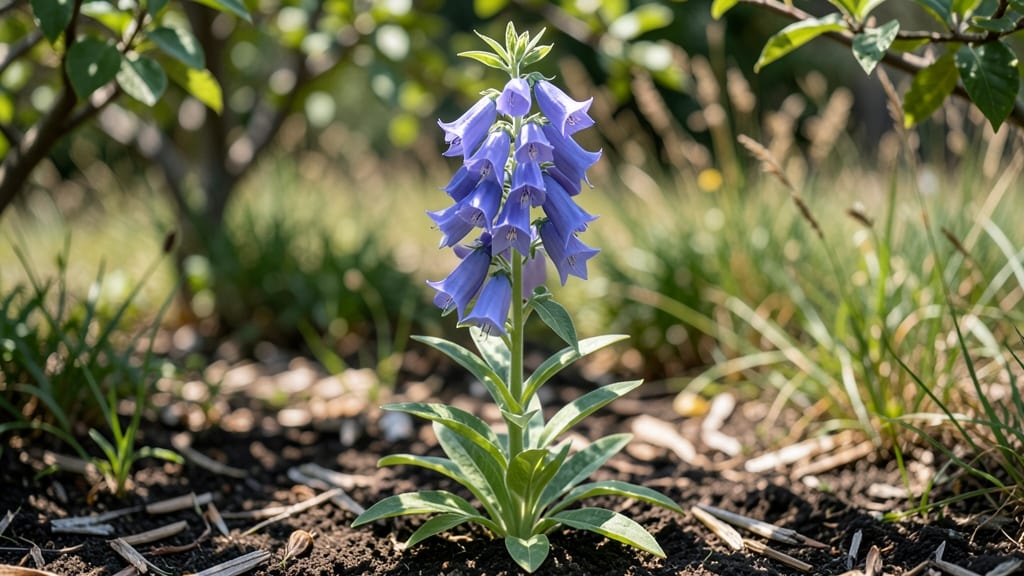
The real Rapunzel flower (Campanula rapunculoides) 🌸 climbs like a fairy-tale vine, reaching heights of 10 feet with delicate blooms and edible leaves—no magic required, just the right care.
Picture this: a garden corner transformed into a vertical paradise, where towering vines weave through trellises, attracting bees and butterflies while adding a touch of whimsy. This isn’t just a pretty face—it’s a hardy perennial that thrives with minimal fuss, making it perfect for beginners eager to grow something extraordinary.
But here’s the catch: without the right trellis or soil prep, those 6-foot stems can flop like overcooked spaghetti. I’ve seen it happen—vines snapping under their own weight because the support wasn’t sturdy enough. The good news? With the right techniques, you’ll have lush, self-supporting growth that lasts for years.
In this guide, I’ll walk you through everything from planting in spring to harvesting edible leaves, plus the best trellis hacks to keep those vines climbing high. Ready to turn your garden into a Rapunzel-inspired dream?
How to grow real Rapunzel flower: planting, sunlight, and soil requirements
Imagine a fairy-tale vine that climbs to 10 feet tall, producing delicate bell-shaped flowers and edible leaves—this isn’t magic, it’s the real Rapunzel flower (Campanula rapunculoides). This stunning perennial vine thrives with proper planting techniques, the right sunlight exposure, and well-prepared garden soil.
Whether you're starting from seeds or transplants, following these steps ensures your Rapunzel flower grows lush and vibrant all season.
Rapunzel flower loves to climb, so choose a support structure like a trellis or fence before planting. This fast-growing vine can reach maturity in just one growing season if given ideal conditions.
The key to success lies in understanding its light preferences, soil pH, and watering needs. Let’s dive into the step-by-step process to grow your own enchanting Rapunzel garden.
Step-by-Step Guide to Planting Rapunzel Flower
- 1 Choose the Right Location: Select a spot with partial shade (4-6 hours of sunlight) or morning sun and afternoon shade. Avoid harsh afternoon rays that can scorch the leaves.
- 2 Prepare the Soil: Test your soil’s pH (6.0-7.5) and amend with compost or aged manure. Rapunzel flower prefers well-draining soil rich in organic matter to support its deep roots.
- 3 Plant Seeds or Transplants: Sow seeds 1/4 inch deep in early spring (after last frost) or buy transplants for faster growth. Space plants 12-18 inches apart to allow room for climbing.
- 4 Install Trellis Support: Immediately after planting, attach a trellis or fence to guide the vines upward. Use soft ties to avoid damaging the stems as they grow.
- 5 Water Consistently: Keep the soil evenly moist but not soggy, especially during the first 4-6 weeks after planting. Water at the base of the plant in the morning to prevent fungal issues.
- 6 Fertilize Lightly: Apply a balanced fertilizer (10-10-10) every 4-6 weeks during the growing season. Avoid over-fertilizing, which can lead to excessive foliage at the expense of flowers.
Once your Rapunzel flower is established, it will reward you with stunning vertical displays of cascading blooms. To keep it thriving, monitor for pests like aphids or powdery mildew, which can occur in humid conditions.
Prune back dead or overgrown vines in early spring to encourage new growth and maintain a tidy appearance.
For best results, mulch around the base of the plant with organic mulch to retain moisture and suppress weeds. This low-maintenance perennial will return year after year, creating a magical focal point in your garden.
With its delicate flowers and edible leaves, Rapunzel flower is perfect for cottage gardens, vertical gardens, or even container growing with proper support.
If you’re growing Rapunzel flower in containers, choose a pot at least 12 inches deep with drainage holes. Use a well-draining potting mix and place the container where it receives partial shade.
Container-grown Rapunzel flowers may need more frequent watering, especially in hot weather, to prevent the soil from drying out completely.
One of the most enchanting aspects of Rapunzel flower is its ability to attract pollinators like bees and butterflies. Planting it near other pollinator-friendly flowers creates a thriving ecosystem in your garden. The <
Best trellis support options for 10-Foot Rapunzel flower vines
Your Campanula rapunculoides vines can reach an impressive 10 feet tall, so choosing the right trellis is critical. Without proper support, those delicate but heavy vines risk snapping under their own weight or sprawling uncontrollably.
The key is selecting a trellis that balances durability, weight capacity, and aesthetic appeal—because your Rapunzel flower deserves to shine as much as it grows.
For 10-foot vines, you’ll need a trellis that’s at least 12 feet tall to accommodate full growth and prevent root stress. The material you choose affects everything from maintenance to lifespan—wood offers classic charm, metal provides unbeatable strength, and plastic delivers lightweight affordability.
Let’s break down the best options to keep your Rapunzel flower thriving vertically.
Comparison Table: Trellis Options for Rapunzel Flower Vines
| Material | Weight Capacity | Durability | Maintenance | Cost | Best For |
|---|---|---|---|---|---|
| Wood (Cedar/Pine) | Moderate (50-75 lbs) | High (5-10 years) | Medium (Seal yearly) | $$ | Rustic gardens, DIY projects |
| Metal (Powder-Coated) | High (100+ lbs) | Very High (10+ years) | Low (Rust-proof) | $$$ | Modern gardens, heavy vines |
| Plastic (HDPE) | Moderate (30-50 lbs) | Moderate (3-7 years) | None (Weatherproof) | $ | Budget-friendly, low-maintenance |
If you’re working with a wooden trellis, opt for cedar or redwood—both resist rot and insects while blending seamlessly into cottage gardens.
For a metal trellis, look for powder-coated steel to prevent rust and support the 100+ pounds your Rapunzel vines can produce. Plastic trellises are ideal if you prioritize low maintenance and lightweight portability, though they may not handle wind as well as metal.
Spacing is just as important as material. Place your trellis 18-24 inches apart in rows to allow airflow and prevent fungal diseases. For a single 10-foot vine, a 3-foot-wide base gives roots enough room to anchor without competing with neighboring plants.
If using multiple trellises, stagger them in a zigzag pattern to create a natural, cascading effect—perfect for a fairy-tale garden aesthetic.
Pro tip: Tie vines to the trellis with soft garden twine or jute tape to avoid damaging stems. Start training early in the season when vines are 3-4 feet tall, guiding them upward in a spiral pattern.
This encourages stronger stems and prevents the weight of flowers from causing the vine to topple over.
For a DIY approach, repurpose old ladder frames or fence panels as trellises—just ensure they’re sturdy and treated to withstand moisture. Pre-made trellises, like arching metal cages or obelisks, offer convenience and a polished look, but they may cost more upfront.
Whichever you choose, install your trellis before planting to give roots time to establish near the support structure.