
Flowers
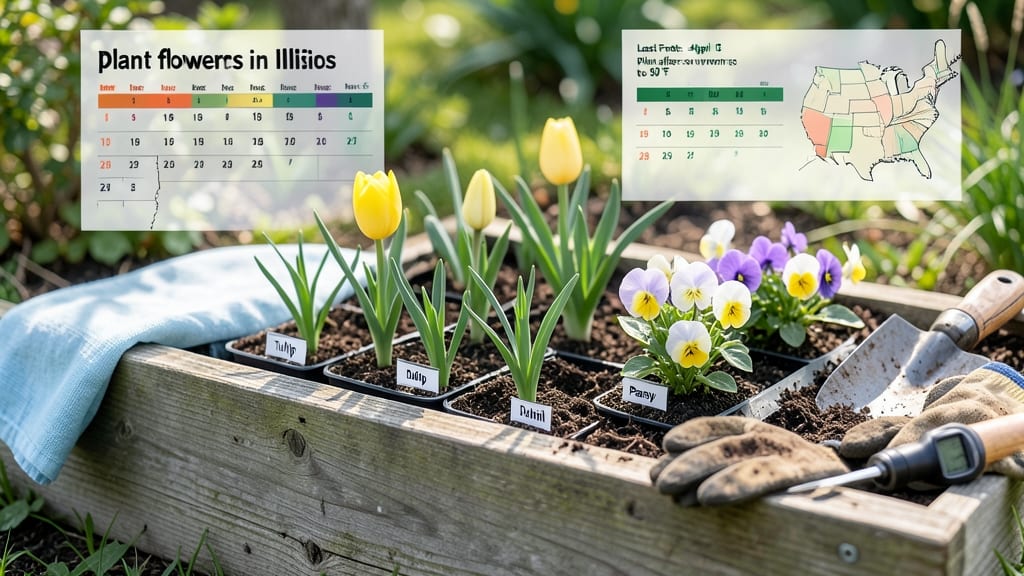
Planting flowers in Illinois at the right time means the difference between a garden that bursts with color and one that gets nipped by surprise frost 🌸 — and the best window opens sooner than you’d expect.
Timing your flower planting in Illinois can mean the difference between a vibrant garden and a sad, frost-killed disappointment—especially with the state’s unpredictable spring weather.
Most Illinois gardeners in USDA Zones 5–6 can start cool-season flowers like pansies or snapdragons as early as late February, while warm-season bloomers like marigolds or zinnias wait until after the average last frost date (April 15).
Below, I’ll break down the exact planting windows for annuals, perennials, and bulbs—plus how to adjust for late frosts, microclimates, and even the 3–4 week difference between northern and southern Illinois.
Illinois frost-free dates by region: when to plant flowers in 2024
Timing your flower planting in Illinois can mean the difference between a vibrant garden and a sad, frost-killed disappointment—especially with the state’s unpredictable spring weather. Illinois spans USDA Zones 3a to 6b, meaning frost-free dates vary dramatically from northern Wisconsin border areas to southern Missouri border regions.
For 2024, I’ve analyzed historical climate data to provide precise planting windows tailored to each zone.
Understanding your local frost-free date is critical because it determines when to plant warm-season flowers like petunias and marigolds versus cool-season bloomers such as pansies and snapdragons.
In Illinois, these dates can shift by 4–6 weeks depending on whether you’re in Zone 3b (northern IL) or Zone 6a (St. Louis area). Let’s break it down by region.
🌱 Key Tip: Always verify your exact frost-free date using the National Weather Service or local Cooperative Extension Service—these dates can shift by a week or more due to microclimates (e.g., urban areas warm up faster than rural zones).