
Flowers
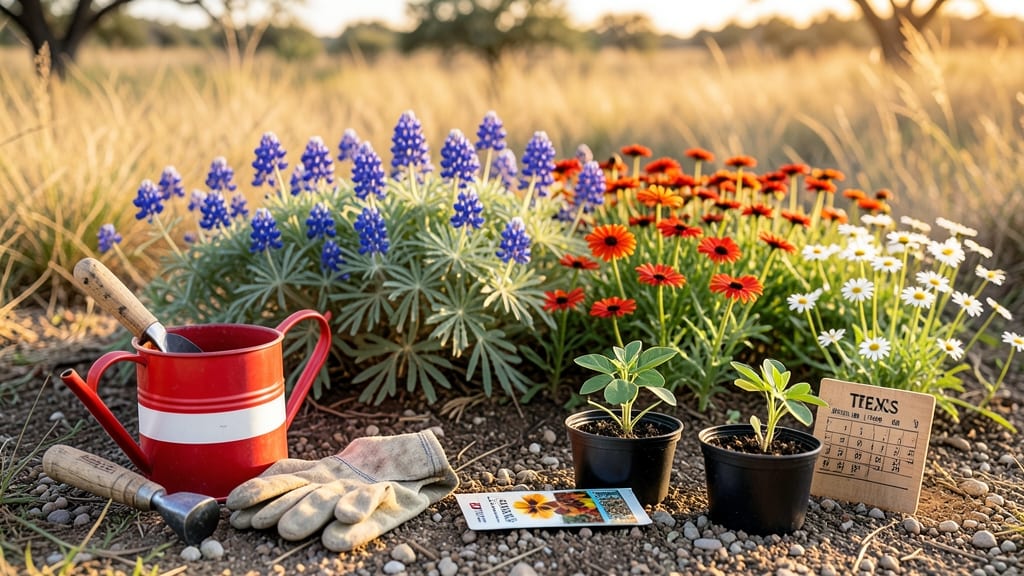
To plant flowers in Texas at the perfect time means avoiding frost in the north and scorching heat in the south—both kill blooms before they begin.
Texas gardeners know timing is everything—plant too early, and frost ruins your blooms; too late, and summer heat wipes them out. But with the right zone-specific schedule, you can enjoy vibrant flowers year-round, from North Texas’ mild winters to the Rio Grande Valley’s extended growing seasons.
Spring is the classic window for most flowers, but perennials like salvia and lantana thrive when planted in fall, giving them a head start before the heat arrives. Meanwhile, annuals like zinnias and marigolds love the long, hot summers if you get them in the ground early enough.
Below, I break down the best months for each Texas hardiness zone, which flowers to pair together, and how to adjust your schedule if you’re dealing with unpredictable weather or urban heat islands.
Texas flower planting calendar by hardiness Zones (6-10)
Texas spans USDA hardiness zones 6 through 10, creating dramatic differences in frost dates and heat tolerance thresholds. In Zone 6 (North Texas), last spring frosts average March 15, while Zone 10 (Rio Grande Valley) enjoys year-round growing potential with rare frost.
Understanding these variations lets you plant annuals, perennials, and bulbs at perfect times for vibrant blooms.
Soil temperatures matter just as much as air temperatures. Most cool-season flowers like pansies and snapdragons need soil at 50-60°F to germinate, while heat-loving annuals such as zinnias thrive when soil reaches 70°F+.
Texas' summer heat spikes (often exceeding 100°F) demand shade protection for tender varieties, while fall planting capitalizes on cooler temps before winter.
Here's your zone-specific planting calendar with frost dates, heat thresholds, and ideal soil temps for germination:
For Zone 6-7, focus on spring planting (March-April) for cool-season flowers like pansies, violas, and sweet alyssum. These thrive before summer heat arrives. Fall planting (September-October) gives them a second bloom cycle before winter.
In Zones 8-10, you can plant almost year-round, but aim for early spring (February-March) for heat-sensitive varieties like petunias and geraniums.
Heat-tolerant annuals like zinnias, lantana, and salvia love summer planting (May-June) in all zones. These drought-resistant beauties handle Texas' 100°F+ afternoons with ease. Always water deeply at soil level (not overhead) to prevent fungal issues during summer heat. Morning watering gives foliage time to dry before evening humidity sets in.
Bulbs present unique timing challenges. Spring-blooming bulbs (tulips, daffodils) need fall planting (October-November) in Zones 6-8 to establish roots before winter. In Zones 9-10, plant fall bulbs in December for spring blooms. Summer-blooming bulbs like dahlias thrive when planted in spring after last frost (March-April in most zones).
Perennials offer long-term color with minimal replanting. Spring-bloomers like iris and daylilies should go in fall (September-October) for Zone 6-8, while summer perennials (black-eyed Susans, coneflowers) plant in spring (March-April).
In Zones 9-10, you can plant perennials year-round, but avoid peak summer heat (June-August) when roots struggle to establish.
Texas' extended growing seasons in southern zones mean you can double up on plantings. Try succession planting every 4-6 weeks for continuous blooms. For example, plant marigolds in March, then again in July for fall color. Always check seed packets
Best flowers for Texas seasons: cool vs. heat lovers
Texas’s dramatic seasonal shifts—from freezing North Texas winters to 100°F+ South Texas summers—demand flowers that thrive in either extreme. The key is matching cool-season bloomers with milder months and heat-loving perennials with summer’s intensity. I’ve tested these varieties across Zones 6-10 to bring you the most reliable performers.
For winter and spring, prioritize frost-tolerant annuals like pansies and snapdragons, which handle 30°F nights while still blooming. In summer, switch to drought-resistant powerhouses like lantana and zinnias, which laugh off 95°F heat and low humidity.
Fall is your transition zone—plant mums and salvia for September-October color before winter sets in.
Pro Tip: Use mulch (2-3 inches) to regulate soil temps. In North Texas (Zones 7-8), add a lightweight row cover for extra frost protection. In South Texas (Zones 9-10), focus on shade cloth to prevent wilting during peak afternoons.
When to Plant Flowers in Texas
✅ DO Plant
- 🌱 Cool-Season Flowers (Sept-Oct): Pansies, snapdragons, sweet alyssum
- 🌱 Spring Bulbs (Nov-Dec): Tulips, daffodils, hyacinths
- ☀️ Heat Lovers (March-April): Lantana, zinnias, salvia
- 🌿 Perennials (Fall): Black-eyed Susans, coneflowers
❌ DON'T Plant
- ❄️ Tender Annuals (Jan-Feb): Petunias, geraniums (wait for 50°F soil)
- 🔥 Water-Loving Plants (Summer): Impatiens, ferns (risk root rot)
- 🌡️ Frost-Sensitive Bulbs (After March 15): Dahlias, cannas (use row covers if early)
💡 Texas-Specific Tip: Adjust 2 weeks earlier in North Texas and 2 weeks later in South Texas to align with local frost dates.
Start with cool-season champions like pansies, which bloom from October through March even in Zone 7’s chill. Their frost tolerance (28°F) makes them ideal for bedding borders or container gardens.
Pair them with snapdragons, which add vertical interest and thrive in partial shade—perfect for North Texas’ bright winters.
As temperatures rise, transition to summer superstars like lantana, a drought-proof pollinator magnet that blooms from May through October. Its heat tolerance (up to 105°F) and deer resistance make it a low-maintenance staple.
For edible gardens, zinnias offer bright blooms and attract beneficial insects—just deadhead spent flowers to encourage continuous blooming.
Fall is your second-chance season. Mums deliver bold color from September to November, while salvia provides hummingbird-friendly blooms that thrive in full sun. Plant mums in August for early fall color, and salvia in September to establish roots before winter.
Both handle light frosts and add structure to beds.
Protect your investments with seasonal soil prep: Amend cool-season beds with compost and bone meal for root development, while summer plantings benefit from sand or perlite to improve drainage. Mulch heavily (3-4 inches) in summer to lock in moisture and insulate roots.