
Flowers
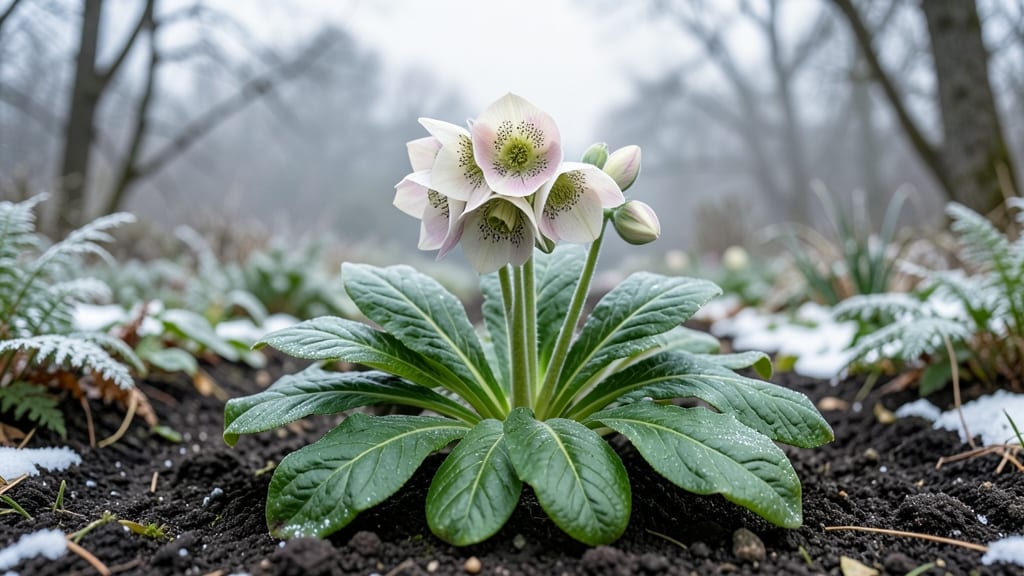
Are there flowers that bloom in winter? The answer is a resounding yes—and they bring color and life when most gardens are resting, proving that cold weather doesn’t mean a dormant landscape.
Picture this: bright yellow Winter Jasmine 🌸 cascading over a fence in February, or deep purple hellebores peeking through snow. These aren’t just exceptions—they’re the secret to a garden that thrives when others fade.
From USDA Zone 6a hardiness to soil tricks that keep blooms lasting longer, we’ll cover the best cold-resistant picks and how to pair them for maximum winter impact.
You’ll discover which varieties need full sun to survive frost, which tolerate shade, and the simple care routine that keeps them flowering month after month—no green thumb required.
Top 10 cold-hardy flowers that bloom in winter (with growing zones)
Winter gardens don’t have to be a monochrome palette of browns and grays. With the right cold-hardy flowers, you can transform your landscape into a vibrant winter wonderland. These winter-blooming beauties thrive in chilly temperatures, offering color and texture when most plants are dormant.
Whether you're in USDA Zone 4 or Zone 8, there’s a winter flower that will bring life to your garden.
Many gardeners assume flowers only bloom in spring and summer, but nature has its own schedule for winter-blooming perennials and shrubs. These resilient plants have adapted to survive freezing temperatures while still producing stunning blooms.
From delicate hellebores to fragrant winter jasmine, each variety offers unique color palettes and garden textures that elevate winter landscapes.
The key to success with winter flowers lies in understanding their USDA hardiness zones and cultural requirements. Some varieties, like camellias, thrive in milder climates, while others, such as winter aconite, can handle harsh frosts.
Below, I’ve curated a list of the top 10 cold-hardy flowers that will keep your garden blooming even in the coldest months.
| Flower Name | USDA Zones | Bloom Season | Sunlight Needs | Care Tips |
|---|---|---|---|---|
| Hellebore | 4-9 | Late winter-early spring | Partial shade | Plant in rich, moist soil; deadhead spent blooms |
| Winter Jasmine | 6-9 | Late winter-early spring | Full sun | Prune after flowering; drought-tolerant once established |
| Camellia | 7-10 | Winter-spring | Partial shade | Acidic soil; protect from strong winds |
| Winter Aconite | 3-8 | Early winter | Full sun to partial shade | Well-draining soil; toxic to pets |
| Pansy | 5-10 | Fall-winter | Full sun to partial shade | Deadhead regularly; mulch for cold protection |
| Mahonia | 5-9 | Late winter-early spring | Partial shade | Drought-tolerant; prune after flowering |
| Snowdrop | 3-9 | Late winter | Partial shade | Plant in colonies; low-maintenance |
| Daphne | 6-9 | Late winter-early spring | Partial shade | Well-draining soil; toxic to pets |
| Crocus | 3-8 | Late winter-early spring |
How to create a stunning winter flower garden: design tips and pairingsCreating a winter garden that pops with color is all about strategic plant pairings and layered design. While most gardens sleep in winter, cold-hardy flowers like hellebores and winter jasmine thrive when others fade away. The key is combining height variation, complementary colors, and textural contrast to keep your garden vibrant. Start with a soil prep foundation—amend your beds with organic compost and a slow-release fertilizer to nourish roots before the cold sets in. Winter flowers often need well-draining soil to prevent waterlogging, which can stunt growth during chilly months. Mulch with straw or shredded leaves to insulate roots and retain moisture. Design Tip: Use three height layers—tall (like camellias), medium (such as pansies), and low (like snowdrops)—to create depth. This not only looks stunning but also protects smaller plants from harsh winds. Pair evergreen foliage (e.g., boxwood) with winter bloomers to add structure and year-round interest. 🌿 Pro Tips for Winter Flower Pairings
For long-lasting color, incorporate evergreen annuals like kale or ornamental cabbage alongside winter flowers. These act as living mulch, suppressing weeds and adding seasonal texture. Place them near pathways or as border accents to frame your blooming stars. Don’t forget to rotate plants yearly to prevent soil depletion. Swap out winter pansies for early spring crocuses in late winter to keep the show going. This simple swap refreshes your garden without major effort. A little seasonal planning ensures your winter garden stays as lively as a summer bloom! With the right plant combinations and care tweaks, your winter garden will be the envy of the neighborhood—proof that cold weather doesn’t have to mean colorless landscapes. Start small, experiment with pairings, and let nature’s winter palette shine! 🌸 |