
Flowers
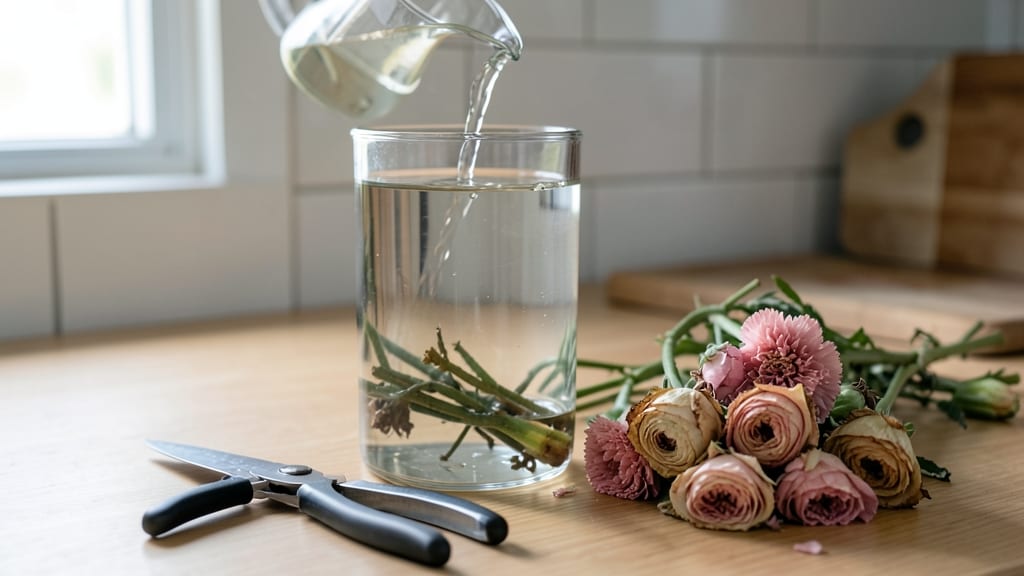
Reviving wilted flowers is easier than you think—just a few simple steps can bring them back to life 🌸 and extend their beauty for days.
Picture this: your favorite bouquet from the grocery store, now drooping in a vase, or your houseplants losing their luster after a week indoors. Instead of tossing them, you can breathe new life into them with a quick soak and trim.
This method works for everything from cut flowers to struggling perennials, and it takes less than 10 minutes.
Most flowers wilt because they’re thirsty, but sometimes it’s air bubbles in the stems or even a lack of nutrients. The good news? A little water, the right solution, and proper care can make all the difference.
Below, I’ll walk you through the exact steps to rehydrate stems, remove blockages, and keep your flowers looking fresh for days.
Whether you’re saving a bouquet for a special occasion or nursing back a struggling perennial, these tips will help you revive and rejuvenate your plants—no green thumb required.
The 5-Minute emergency revival method for wilted flowers
Seeing your favorite flowers droop can feel like the end of their life cycle—but it’s often just a cry for help. Wilting happens when stems block water uptake, usually from air bubbles or dehydration.
The good news? You can revive most flowers in just 5 minutes with a simple stem rehydration technique that works for cut flowers, houseplants, and even grocery store blooms.
The science is simple: water absorption through stems relies on continuous, unbroken vessels. When stems dry out or trap air, water can’t reach the petals. This method forces fresh water into the stem, removes air bubbles, and restores hydration—sometimes in minutes.
I’ve used it to save wedding bouquets, peace lilies, and even overlooked grocery store roses that looked like they’d given up.
🌸 Step-by-Step Revival Process
- Step 1: Trim the Stems
Use sharp scissors or pruners to cut 1-2 inches off each stem at a 45-degree angle. This creates a larger surface area for water absorption and removes any blocked vessels.
- Step 2: Remove Air Bubbles
Fill a clean vase with lukewarm water (not hot). Submerge stems and squeeze gently along the cut ends underwater to force out trapped air. Repeat until bubbles stop rising.
- Step 3: Soak the Stems
Place stems in a bucket or vase filled with water and let them soak for 10-15 minutes. For severely wilted flowers, add a revival solution (like 1 tsp sugar + 1 tsp bleach per quart of water).
- Step 4: Rehydrate the Petals
Gently mist the petals with water using a spray bottle. This helps restore moisture to the flower heads while the stems rehydrate. Avoid soaking heavy blooms like hydrangeas, as this can cause petal damage.
- Step 5: Transfer to Fresh Water
After soaking, transfer stems to a clean vase with fresh water. Change the water every 2 days to prevent bacterial growth, which can clog stems again.
This method works because it breaks the air blockage in stems while providing immediate hydration. For cut flowers, the revival can add 3-5 extra days of life. For houseplants like snake plants or pothos, the same technique can revive drooping leaves by restoring root-to-leaf water flow.
Pro tip: If your flowers are yellowing or mushy, they may be past revival. But for most wilting-only issues, this method is a game-changer. I’ve even used it on overlooked grocery store flowers that looked dead—many perked right back up within an hour!
For long-stemmed flowers like roses or lilies, trim stems under running water to prevent air bubbles from forming. The 45-degree angle is key—it maximizes water uptake surface area. If your vase is small, use a bucket or tall container to submerge stems fully during soaking.
After revival, keep flowers in a cool spot away from direct sunlight or heat sources (like radiators). This prevents the water from warming too quickly, which can cause bacterial growth in the vase. I place mine in a bathroom with indirect light—it’s the perfect balance for longevity.
Remember, not all flowers revive equally. Delicate blooms like carnations or tulips respond best, while heavy-headed flowers like sunflowers may only partially recover. But for most varieties, this method is your best shot at extra days of beauty.
Try it next time your flowers look past their prime—you might be surprised at how quickly they bounce back! With this trick in your gardening toolkit, you’ll never waste a wilted stem again. 🌿
Best soaking solutions to bring flowers back to life instantly
When your cut flowers or houseplants start wilting, a quick soak can work wonders. The right solution helps replenish moisture, removes air bubbles, and even adds nutrients to extend their life.
But not all soaking solutions are created equal—some work faster, while others risk harming delicate petals. Let’s break down the best options to revive your blooms safely and effectively.
Your choice depends on the flower type and condition. For example, sugar water is great for grocery store blooms, while vinegar solutions tackle bacterial buildup in vases. Commercial flower food is convenient but can be pricey.
Below, I’ve compared the top methods for effectiveness, safety, and longevity so you can pick the perfect revival strategy.
For immediate revival, I recommend starting with sugar water—it’s a quick fix for thirsty stems. If your vase water looks murky, add a splash of vinegar to cleanse it before soaking.
Avoid overdoing bleach, as even a drop too much can damage petals. Commercial flower food is my go-to for long-term freshness, especially for special occasions like weddings or holidays.
Pro tip: Trim stems at an angle before soaking to maximize water absorption. Place flowers in the solution for 1-2 hours or overnight for best results. After soaking, recut stems underwater to remove blocked vessels and encourage hydration. This two-step process dramatically improves uptake and extends vase life.
Remember, not all flowers respond the same way. Delicate blooms like orchids or peace lilies may prefer distilled water, while hardy roses thrive with sugar or commercial food.
Always test a small batch first if you’re unsure about sensitivity. With the right soak, your wilting flowers can bounce back to full, vibrant life in no time!