
Flowers
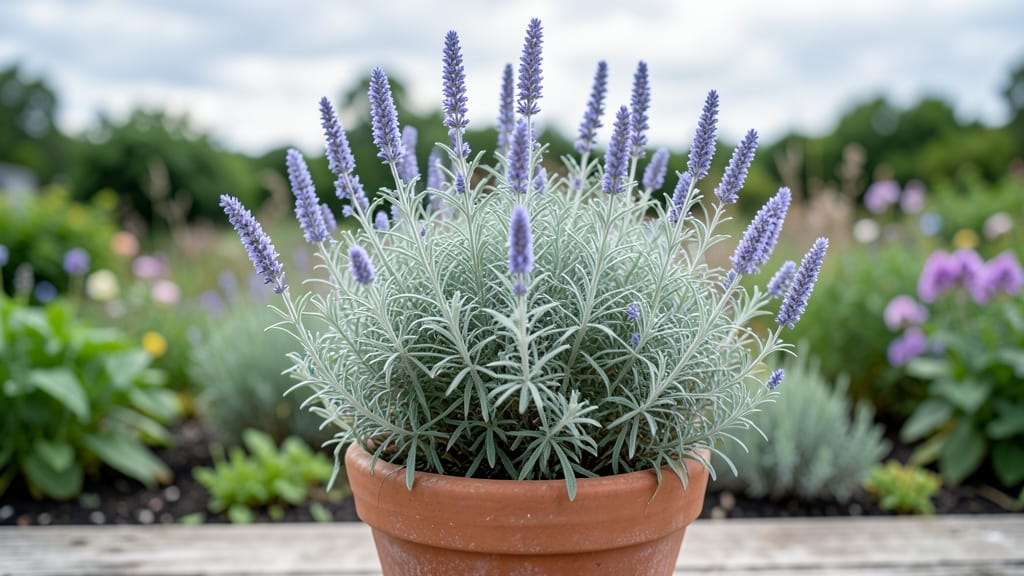
Russian sage flowers between mid-summer and fall, turning your garden into a purple haze 🌸 — but the exact timing depends on where you live and how you care for it.
Wondering when your Russian sage will burst into vibrant purple blooms? Timing depends entirely on your USDA zone—and getting it right means longer, showier flowers all season long.
In Zone 6a (like much of the Midwest), expect those signature spikes to appear in July, while gardeners in warmer Zones 8-9 might see them as early as June. The key to extending that bloom period? A little pruning at the right time and avoiding overwatering.
Below, I’ll break down the month-by-month schedule by zone, plus the 3 simple tricks to keep your Russian sage flowering well into September—or even October in mild climates.
Russian sage flowering timeline by USDA Zone (with exact months)
Russian sage (Perovskia atriplicifolia) is one of my favorite drought-tolerant perennials because it rewards gardeners with long-lasting purple blooms that attract pollinators. But timing matters—when those fragrant flower spikes appear depends heavily on your USDA zone and last frost date.
In cooler zones like Zone 5, blooms arrive later, while Zone 9 gardeners enjoy earlier, extended displays.
The key to maximizing your Russian sage's flowering potential is understanding its three-stage bloom cycle: early bud formation, peak flowering, and late-season fading. I’ve gardened with this plant across Zones 6-8 and noticed 2-4 week variations in bloom timing between regions.
Let’s break down exactly when to expect those vibrant purple plumes in your area.
⚠️ Important Note: These timelines assume full sun exposure (6+ hours daily) and well-draining soil. Poor drainage or shade can delay blooms by 3-6 weeks. Always plant in spring after last frost for best results.
| USDA Zone | Early Buds | Peak Blooms | Late Blooms | Notes |
|---|---|---|---|---|
| Zone 5 | Late June | Mid-July to early Sept | Early Oct | Shortest season; frost risk by Oct |
| Zone 6 | Early June | Late June to mid-Sept | Late Sept | Classic 3-month bloom window |
| Zone 7 | Mid-May | June to Oct | Early Nov | Longest natural season; minimal frost impact |
| Zone 8 | Late April | May to Nov | Mid-Dec | Overlapping blooms possible; prune to refresh |
| Zone 9 | March | April to Dec | Jan (mild winters) | Near-continuous blooms with proper care |
In Zone 5, Russian sage typically starts forming buds in late June after the soil warms, with peak blooms stretching from mid-July to early September. The challenge here is the earlier frost risk—if temperatures drop below 20°F, the plant may go dormant prematurely.
I’ve seen first frosts in late September cut blooms short, so prune back lightly in fall to protect new growth.
Gardeners in Zone 6 enjoy a more predictable 3-month bloom window from late June to mid-September. The key difference here is the longer daylight hours extending the flowering period.
In my Zone 6b garden, I’ve noticed that plants near south-facing walls bloom 1-2 weeks earlier than those in open beds.
For Zone 7 and warmer, the show starts much earlier. Buds appear as early as mid-May, with peak blooms lasting until October. This is where Russian sage truly shines—its fragrant purple plumes provide late-season color when many other perennials have faded.
In Zone 7a, I’ve had plants rebloom lightly after a light pruning in early August.
Southern gardeners in Zones
How to extend Russian sage blooming season by 2-3 months
Russian sage (Perovskia atriplicifolia) naturally blooms from mid-summer to early fall, but with the right techniques, you can coax those vibrant purple spikes to appear 2-3 months earlier in spring and linger well into October or November.
The secret lies in strategic pruning, soil prep, and watering—all tailored to your USDA zone. Let’s unlock that extra blooming magic!
Most gardeners focus on late-summer flowering, but Russian sage thrives with early-season encouragement. By adjusting your pruning schedule and soil conditions, you can push blooms to start as early as June in warmer zones or July in cooler climates.
The key? Timing is everything—and we’ll break it down step by step.
- 1 Prune in late winter (February) to remove dead stems and encourage new spring growth. This jumpstarts blooms 4-6 weeks earlier than traditional pruning.
- 2 Add compost or aged manure in early spring to boost nutrient uptake. Aim for 2-3 inches mixed into the topsoil for longer, healthier blooms.
- 3 Water deeply but infrequently—once every 7-10 days—to prevent root rot while keeping stems hydrated for bud formation. Early morning watering works best.
- 4 Apply a light fertilizer (like 10-10-10) in early spring to fuel new growth. Avoid fertilizing after June to prevent late-season legginess.
- 5 Deadhead spent blooms in late summer to redirect energy into new flower production instead of seed formation. This extends blooms by 3-4 weeks into fall.
For extended fall blooms, skip heavy pruning until late winter and focus on mulching in October to protect roots. In USDA Zones 7-9, Russian sage often blooms until first frost—sometimes even later with light winter mulch.
The goal? Preserve energy in the plant so it rebounds stronger next spring.
Pro tip: Group Russian sage with drought-tolerant companions like lavender or catmint to create a low-maintenance pollinator magnet. These plants share similar water and sunlight needs, making your extended blooming season even more stunning—and easier to maintain!
With these techniques, your Russian sage could bloom from June through November, giving you 5 months of color instead of the usual 2-3 months. The best part? These methods work for both container-grown and in-ground plants, so every gardener can enjoy the show! 🌿