
Flowers
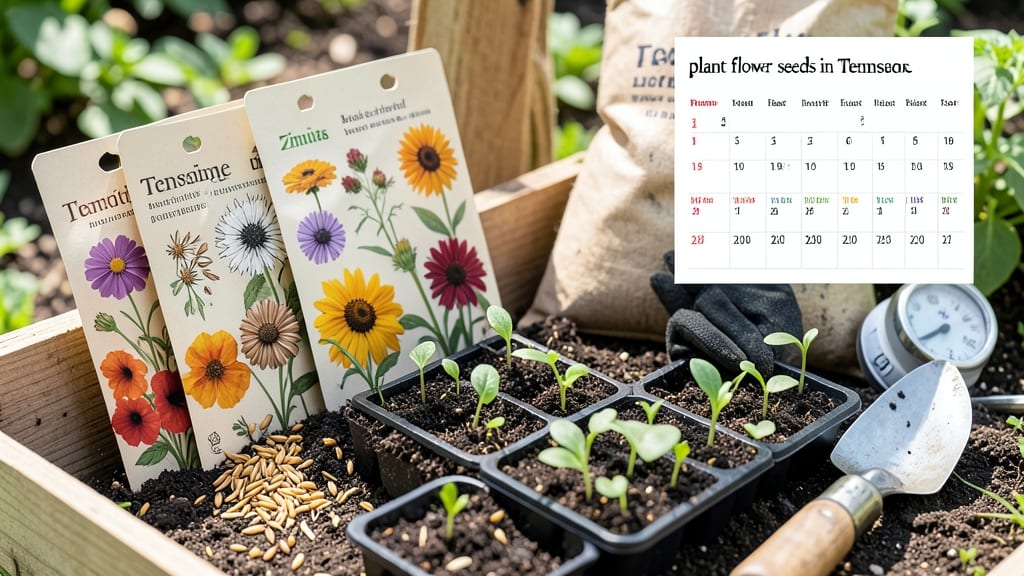
Planting flower seeds in Tennessee at the right time means the difference between a garden bursting with color and one that fizzles out before summer 🌸.
Tennessee’s diverse climate—from the mountains to the Smoky Plains—means flower seeds planted at the wrong time can wilt before blooming. Timing is everything, and getting it right ensures vibrant gardens from spring to fall.
Most annuals thrive when sown after the last frost, which in 6a-7b zones typically lands in mid-March for Nashville or early March in Memphis. But late summer is also prime for heat-loving varieties like zinnias and cosmos.
Below, I’ll break down the exact frost-free deadlines by region, the best flower varieties for Tennessee’s seasons, and how to prep your soil for maximum blooms—so you can skip the guesswork and start planting with confidence.
Tennessee frost-free dates by Zone: when to plant flower seeds
Tennessee’s 7 USDA hardiness zones (3a-7a) create a mosaic of planting opportunities, but getting the timing right is crucial. The last frost dates vary dramatically—from early March in Memphis (Zone 7a) to late April in East Tennessee’s high elevations (Zone 6a).
Planting too early risks frost damage, while waiting too long can shorten the blooming season.
For annual flowers, I focus on two key windows: spring (March-April) for cool-season bloomers and late summer (August-September) for heat-loving varieties. Perennials often get planted in early fall (September-October) to establish roots before winter. The secret? Soil temperature—most seeds need 50°F+ (10°C+) to sprout reliably.
Here’s how I break it down by zone—because a Nashville garden (Zone 7a) has different rules than a Chattanooga highland plot (Zone 6b).
For Zone 7a gardeners (like me in Memphis), I start zinnias and marigolds indoors in February under grow lights, then transplant after March 1st.
In Zone 6a (Nashville), I wait until April 1st to avoid late frosts—trust me, nothing kills a dream faster than a 50°F night after you’ve planted.
Pro tip: Use biodegradable seed starters for delicate varieties like snapdragons. They give seeds a head start while protecting them from soil-borne diseases common in Tennessee’s humid summers. I
Best flower seed varieties for Tennessee’s seasons and their planting timing
Tennessee’s humid subtropical climate and varied microclimates create perfect conditions for vibrant flower gardens—if you plant at the right time. Zinnias, cosmos, and coneflowers thrive here, but their planting deadlines shift based on your USDA zone (6a-7b) and seasonal shifts.
Let’s dive into the best varieties and their precise timing to keep your garden blooming from spring to frost.
For spring bloomers like black-eyed Susans and marigolds, aim for planting in late March to early April after the last frost. Summer annuals, such as zinnias and cosmos, can handle Tennessee’s heat when sown in late May to early June.
Meanwhile, fall favorites like asters and snapdragons need to hit the soil by mid-August to bloom before winter sets in.
🌱 Top 5 Flower Seed Varieties for Tennessee Gardens
- 🌻 Zinnias – Plant April 15–May 15 for summer-long blooms. Full sun and drought-tolerant.
- 🌼 Cosmos – Sow April 1–June 1. Thrives in poor soil and humid conditions.
- 🌸 Coneflowers (Echinacea) – Plant March 15–April 30 for perennial blooms. Partial shade tolerated.
- 🌺 Black-Eyed Susans (Rudbeckia) – Direct sow April 1–May 15. Low-maintenance and pollinator-friendly.
- 🌷 Marigolds – Start seeds March 1–April 15 or August 1–September 1 for fall color. Pest-repellent.
Zinnias are my go-to for Tennessee gardens—they bloom nonstop from June to October and attract butterflies like crazy. Plant them 1/4 inch deep in well-draining soil, and space seeds 12–18 inches apart for full, bushy plants. Deadhead spent blooms to encourage more flowers, and watch them thrive in full sun.
If you love low-maintenance flowers, cosmos are a dream. These self-seeding annuals pop up year after year with minimal effort. Sow them 1/2 inch deep in late spring or early summer, and they’ll reward you with airy, daisy-like blooms from July to frost.
They’re also deer-resistant, which is a bonus in rural areas.
For perennial powerhouses, coneflowers and black-eyed Susans are unbeatable. Plant them in early spring (March–April) for years of color. These drought-tolerant beauties handle Tennessee’s summer heat and humidity like champs. Plus, they’re great for cutting and bring goldenrods to bouquets all season.
Don’t forget marigolds—they’re not just pretty; they repel pests like nematodes and aphids. Plant them in early spring or late summer for bright orange and yellow blooms that last until frost. Their strong scent keeps bugs away from your veggie garden too!
Pro tip: Use mulch to retain moisture and fertilize lightly every 4–6 weeks during the growing season. Tennessee’s clay-heavy soil benefits from a 2-inch layer of compost before planting. With the right timing and care, your garden will be a blooming paradise from spring to fall. 🌿