
Flowers
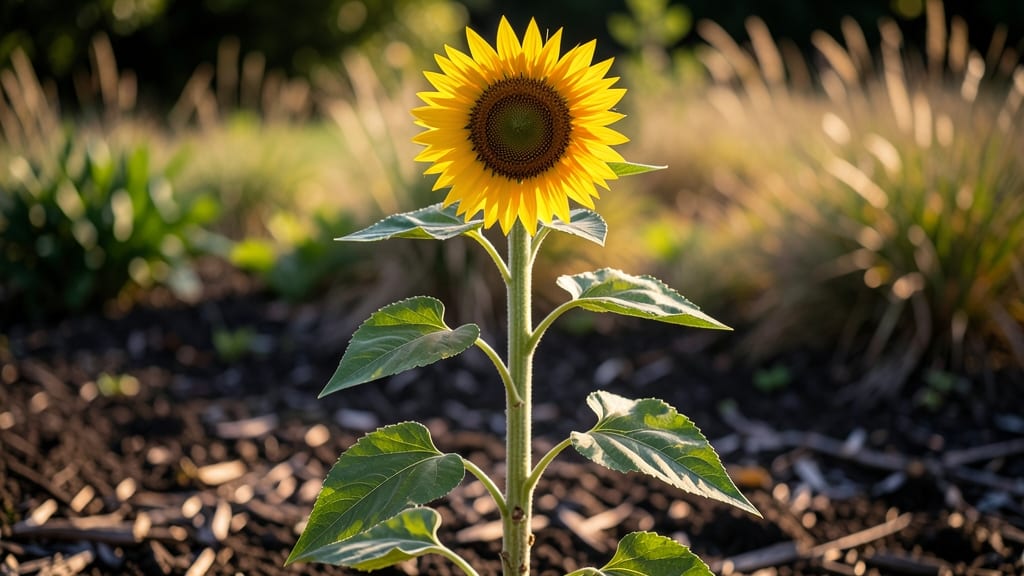
Sunflowers take between 50 and 120 days to bloom, depending on the variety and growing conditions — a range that can turn a patient gardener into an eager one waiting for those golden faces to turn toward the sun.
Picture this: you’ve just tucked 🌻 seeds into the soil in early spring, dreaming of towering blooms by summer.
But if you’re planting a Mammoth variety, those dreams might take closer to four months to unfold, while a Teddy Bear could surprise you with cheerful faces in as little as six weeks.
The secret to faster blooms lies in a few key factors: sunlight, soil prep, and timing. Sunflowers crave full sun (think 6-8+ hours daily) and well-drained soil rich in nutrients.
Skip the heavy hand with fertilizer, though — too much nitrogen delays blooming by sending all that energy into leafy growth instead.
Below, I’ll break down the exact bloom timelines for popular varieties, share my top tips to speed up flowering, and walk you through what to expect each week from seed to that first glorious bloom.
Sunflower blooming timeline by popular variety (with exact days)
If you're planning a sunflower garden, knowing exact bloom times by variety helps you create a stunning sequential display. Some varieties like Teddy Bear bloom in just 50-60 days, while giants like Russian Giant take 100-120 days.
This timing difference lets you stagger plantings for continuous color from summer to fall. Understanding these timelines also helps you adjust for your local climate and soil conditions.
Sunflowers thrive in full sun (6+ hours daily) and well-drained soil, but their blooming speed depends heavily on the variety type. Dwarf varieties often bloom faster than their towering cousins, making them perfect for containers or small gardens.
Meanwhile, tall varieties like Mammoth need more time to reach their impressive heights before flowering. Let's explore the most popular varieties and their precise bloom timelines.
For gardeners in cooler climates, consider starting seeds indoors 2-3 weeks before your last frost date. This gives your sunflowers a head start and can shave off 7-10 days from their bloom time.
For example, planting Mammoth seeds indoors in early April (Zone 5) might have them blooming by early August instead of mid-August. Always use well-draining soil mixed with compost to ensure healthy root development.
Your local climate plays a huge role in bloom timing. In hot, dry regions, sunflowers may bloom 10-15 days faster due to accelerated growth, while cooler, wetter climates can delay blooming by 2-3 weeks.
If you notice your sunflowers taking longer than expected, check for adequate sunlight (minimum 6 hours daily) and proper spacing. Overcrowded plants compete for nutrients, slowing their growth and delaying flowers.
To create a continuous bloom display, stagger your plantings by 2-3 weeks. For example, plant Teddy Bear sunflowers in early May, followed by Mammoth in mid-May, and Russian Giant in late May.
This ensures you'll have blooms from late June through September. You can also mix varieties with different heights to create visual interest while maintaining the sequential bloom pattern.
One common mistake gardeners make is over-fertilizing with nitrogen, which promotes leafy growth but delays flowering. Instead, use a balanced fertilizer (10-10-10) sparingly during the growing season. Apply it lightly every 4-6 weeks starting when plants reach 4-6 inches tall.
Too much nitrogen can result in tall stems with few or no blooms, leaving you with a garden full of foliage but no flowers.
For container gardening, choose dwarf varieties like
How to speed up sunflower blooming (proven tips for faster flowers)
Want those sunflower blooms to appear faster? The secret lies in optimizing growth conditions from day one. Sunflowers thrive with the right balance of sunlight, nutrients, and water, but many gardeners unknowingly delay blooming with common mistakes.
Let's fix that by focusing on proven strategies that cut weeks off your waiting time.
First, timing is everything. Plant your sunflower seeds as soon as the soil reaches 50°F (10°C)—typically 2-4 weeks after your last frost date. In warmer climates like USDA Zones 8-10, you can start as early as February or March for summer blooms.
For cooler regions, aim for late April to early May to avoid frost damage.
Here’s how to accelerate blooming with science-backed techniques:
- 🌱 Maximize sunlight: Place sunflowers in full sun (6-8+ hours daily). Even 1 hour less sun can delay blooming by 2-3 weeks. Use reflective surfaces like white walls or mulch to bounce extra light.
- 💧 Deep watering: Water deeply 2-3 times per week (1-2 inches total) rather than daily shallow watering. This encourages strong root growth, which speeds up nutrient absorption and flowering.
- 🌿 Feed lightly: Use a balanced fertilizer (10-10-10) sparingly—just 1 tablespoon per plant when seedlings have 4-6 true leaves. Over-fertilizing with nitrogen promotes leafy growth but delays blooming.
- 🌡️ Warmth boost: Use black plastic mulch or row covers to warm soil faster. This can shave off 10-14 days from the blooming timeline by creating an ideal 60-70°F (15-21°C) soil temperature.
- ✂️ Prune strategically: Remove lower leaves to improve airflow and reduce disease risk. For taller varieties, stake them early to prevent energy loss from leaning.
Another game-changer is companion planting. Pair sunflowers with basil or marigolds to repel pests like aphids, which can stress plants and delay blooming. Avoid planting near potatoes or fennel, as they compete for nutrients and stunt growth.
Watch out for these common blooming killers: Overcrowding (space seeds 6-12 inches apart), poor drainage (sunflowers hate soggy roots), and late transplanting (seedlings over 6 inches tall struggle to adapt). Even a 1-inch difference in planting depth can alter blooming time by 1-2 weeks.
With these tips, you’ll see sunflower buds forming in as little as 45-55 days instead of the typical 60-120 days. Happy gardening—your golden giants won’t disappoint! 🌻