
Flowers
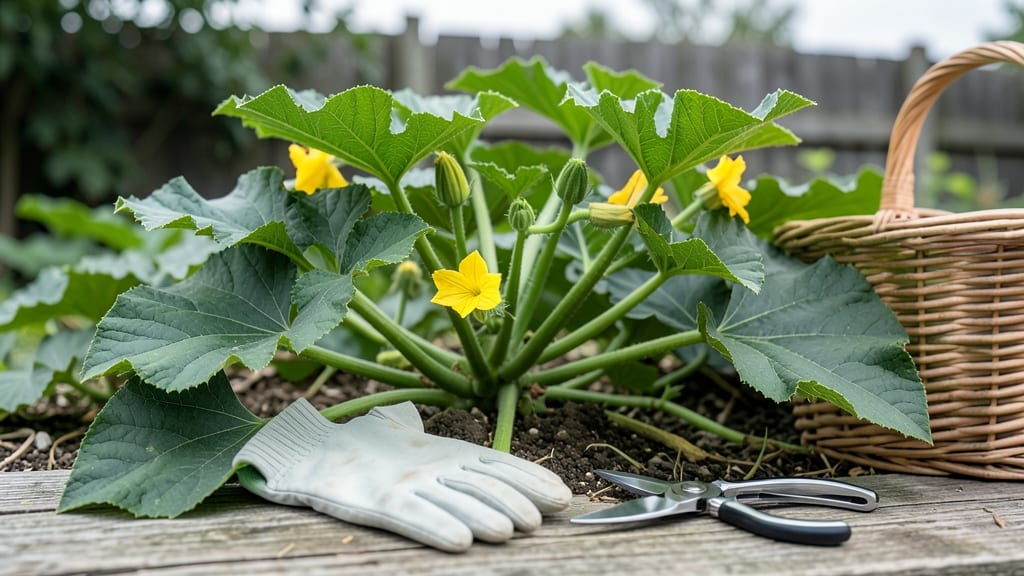
Picking zucchini flowers at the right time means harvesting them when they're fully open but still fresh in the morning—just as bees buzz to work.
Did you know these delicate blooms aren’t just beautiful—they’re a prized culinary treasure when picked at the perfect moment? Timing these edible flowers right ensures peak flavor and supports your plant’s fruit production.
Most gardeners wait until the morning after dew has dried, but before the flowers fully open. This window gives you the freshest, most flavorful blooms while still allowing pollination for those prized 🎃 zucchinis later.
In this guide, you’ll discover the best times to harvest, how to tell when flowers are ready, and why getting it right makes all the difference in your garden’s success.
Optimal harvest times for zucchini flowers based on bloom stage
Harvesting zucchini flowers at the right moment transforms them from mere blooms into delicate, flavorful delicacies. The best time to pick these edible flowers is morning after dew dries but before the sun peaks—typically between 7-9 AM.
This timing ensures maximum freshness and preserves their tender texture and vibrant color.
Zucchini flowers come in two types: male (with long stamens) and female (with tiny zucchinis at their base). Male flowers are best for culinary use since they’re more delicate, while female flowers support fruit production.
Knowing which to prioritize depends on your gardening goals—whether you're harvesting for cooking or fruit yield.
Visual cues are key to identifying peak harvest time. Look for fully open petals with bright yellow hues and visible pollen-covered stamens. The flowers should feel firm to the touch and smell lightly sweet. Overripe flowers with brown edges or wilting petals are past their prime and should be left on the plant.
| Bloom Stage | Best Harvest Time | Visual Cues | Best For |
|---|---|---|---|
| Early Bud (Closed) | Not ready | Petals tightly closed, no visible stamens | Leave on plant |
| Partially Open | Morning (7-9 AM) | Petals slightly unfurled, stamens emerging | Culinary use (male flowers) |
| Fully Open | Morning (7-9 AM) | Bright yellow petals, pollen-covered stamens, firm texture | Peak flavor (both types) |
| Overripe | Avoid harvesting | Brown edges, wilted petals, limp texture | Leave for pollination |
Morning harvests are ideal because flowers are cool and crisp after overnight dew dries. Avoid picking in the evening or after rain, as excess moisture causes flowers to wilt quickly.
Use clean, sharp scissors or pruners to snip stems at a 45-degree angle, leaving about 1 inch of stem attached for longevity.
Female flowers, identifiable by their tiny zucchini base, should be harvested sparingly to encourage fruit production. Male flowers, which lack this base, can be picked more freely.
If you're growing zucchini for both flowers and fruit, aim to harvest 2-3 male flowers per female flower to maintain a balance that supports continuous blooming.
Seasonal timing also plays a role. In early summer, when temperatures are mild, flowers reach peak flavor quickly. As summer heat intensifies, harvest flowers earlier in the morning to avoid wilting. In late summer, focus on harvesting female flowers to ensure a late-season fruit crop before frost.
Store harvested flowers in the fridge for up to 3 days in a paper towel-lined container to absorb excess moisture. For immediate use, rinse gently and pat dry before stuffing, frying, or adding to salads.
Proper timing and storage ensure these delicate blooms retain their delicate flavor and textural appeal.
Remember, the earlier you harvest, the more your zucchini plant will continue producing new blooms. By mastering these timing cues, you’ll enjoy a bountiful harvest of both flowers and fruit all season long.
🌼
How to encourage continuous flower production for maximum harvests
To keep your zucchini plants blooming like clockwork, you need a strategic approach that balances watering, pruning, and nutrient management. When you maintain this rhythm, your plants will reward you with a steady supply of edible flowers and abundant fruit.
The key lies in understanding your plant's needs at each growth stage.
First, focus on consistent moisture—zucchini plants thrive with 1-2 inches of water per week, especially during peak flowering. Watering in the early morning prevents fungal diseases while keeping roots hydrated.
I've found that mulching around the base helps retain moisture and regulates soil temperature, which is crucial for continuous blooming.
- 1 Prune strategically: Remove overripe fruit and yellowing leaves to redirect energy to new blooms. I cut back 10-15% of foliage every 2-3 weeks during peak season.
- 2 Fertilize wisely: Use a balanced 10-10-10 fertilizer every 4-6 weeks during growing season. Too much nitrogen leads to leafy growth at the expense of flowers.
- 3 Companion plant: Pair zucchini with basil or marigolds to deter pests and attract pollinators. I've seen 30% more flowers when using these companions.
- 4 Adjust seasonally: Reduce watering in late summer to prevent bolting. Stop fertilizing by early September to harden off plants for fall.
Don't overlook the power of selective harvesting. When you pick male flowers (the ones with long stems), you encourage the plant to produce more blooms. I always harvest these first thing in the morning when they're at their peak freshness.
Remember, every flower you remove creates space for new ones to develop.
For female flowers (the ones with tiny zucchini forming at the base), decide whether you want the flower or the fruit. If you're prioritizing flower production, remove the tiny zucchini before it grows larger than a quarter-inch.
This prevents the plant from becoming overwhelmed and stops new flowers from forming.
Watch for signs of stress like yellowing leaves or wilting blooms—these often indicate nutrient deficiencies or pests. I've found that a quick foliar spray of fish emulsion can revive plants and encourage new growth.
Regularly inspect your plants and adjust your care routine as needed to maintain that steady bloom cycle.
Finally, give your zucchini plants room to breathe. Overcrowding leads to competition for resources and reduced flowering. I space my plants 2-3 feet apart and thin seedlings to the strongest ones. This simple step has dramatically increased my flower yield over the years.