
Flowers
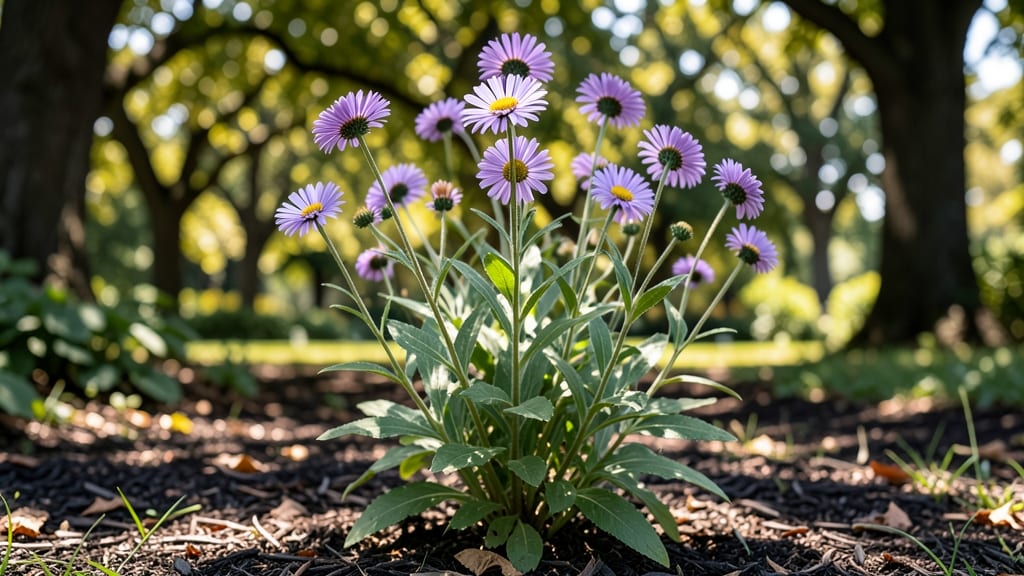
Understanding aster flower height is the key to designing a garden that thrives with both drama and structure.
Picture this: your 🌸 asters either sprawling wildly or barely peeking above the tomato plants—neither look intentional. The truth? Height isn’t just about aesthetics; it’s about maximizing blooms, preventing flops, and choosing the right spot for each variety to shine.
From dwarf 1-foot varieties perfect for borders to towering 6-foot giants that command the back of the bed, aster heights vary wildly. But with the right pruning, staking, and placement, you can control their growth and turn them into the star of your garden layout.
In this guide, I’ll break down height ranges by variety, share pro tips for managing growth, and show you how to pair asters with companions for a showstopping display—no matter your garden size.

Aster flower height by variety: from dwarf to giant sizes
Asters are one of the most versatile late-season bloomers, offering height diversity that lets you design everything from border edging to backdrop drama. Their mature heights range from 12 inches to over 6 feet, making variety selection critical for your garden layout.
The right choice ensures your asters support their own weight while complementing your existing plants.
Taller varieties like New England asters (Aster novae-angliae) often produce larger blooms but require sturdy stems or support. Conversely, dwarf varieties like wood asters (Aster dumosus) stay compact while delivering prolonged blooming seasons.
Understanding these differences helps you avoid flopping flowers or wasted space in your garden beds.
Below is a detailed comparison of popular aster varieties and their typical height ranges, including growth habits and ideal planting positions. This guide will help you select asters that fit your design vision while thriving in your specific growing conditions.
Notice how taller varieties like New England asters often feature larger individual blooms (2-4 inches), making them perfect for back-of-bed planting where they can be seen from a distance. Their sturdy stems handle height better, but they still benefit from light staking in windy locations.
Shorter varieties like wood asters and heath asters excel in border plantings or container gardens. Their compact growth (1-2 feet) creates a dense carpet of color that spills beautifully over edges. These types also tend to rebloom more prolifically than their taller cousins.
The bloom size correlates directly with height—taller plants often produce larger flowers that require more structural support. For example, Patriot aster reaches 3-4 feet with 3-inch blooms, while Profusion aster stays under 2 feet but packs hundreds of tiny flowers per stem.
This relationship helps you choose varieties that match your design goals.
When selecting asters for your garden, consider your sun exposure and soil drainage. Taller varieties may need well-draining soil to prevent flopping, while dwarf types thrive in moist but not soggy conditions. Always check your specific variety's cultural requirements to ensure healthy growth and maximum blooming potential.
For small gardens, prioritize varieties like 'Profusion' or 'Snow Flurry' (a dwarf heath aster). These stay under 2 feet tall while delivering months of color. In larger landscapes, mix tall varieties like 'Patriot' with medium-height options to create layered visual interest that attracts pollinators through fall.
Pro tip: If you love cut flowers, taller varieties with long stems (like Calico aster) will give you longer vase life. For
How to control aster flower height: pruning and support tips
Managing aster flower height is key to creating a balanced, thriving garden. Tall varieties like New England asters can reach 4-6 feet, while dwarf types stay under 2 feet. Without proper care, even sturdy stems can flop under heavy blooms, ruining your garden’s neat appearance.
The good news? With the right techniques, you can guide growth naturally—whether you want compact bushes or controlled height for your garden design.
Start by understanding your aster’s natural growth habits. Pinching back young plants in early summer encourages bushier growth and shorter stems, while strategic pruning later in the season can promote a second flush of blooms. For taller varieties, support structures like stakes or cages are essential to prevent flopping.
The timing of these actions matters—too early or too late can stress your plants or reduce flowering. Let’s break it down step by step for optimal results.
Step-by-Step Guide to Managing Aster Height
- Pinch Back Young Plants: When seedlings reach 6-8 inches tall, pinch off the top 1-2 inches of growth. This encourages branching and shorter, bushier plants.
- Prune for Bushiness: In early summer, trim back 1/3 of the plant’s height to promote lateral growth and more blooms. Use clean, sharp shears to avoid damaging stems.
- Install Support Early: For varieties over 3 feet tall, insert stakes or cages at planting time. Use 3-4 stakes per plant or a tomato cage for stability.
- Deadhead Spent Blooms: Remove faded flowers regularly to redirect energy to new blooms and prevent seed formation, which can weaken the plant.
- Encourage Second Flush: After the first main blooming period (late summer), cut back half the plant’s height to stimulate a second round of flowers in early fall.
- Fertilize Strategically: Apply a balanced fertilizer (5-10-10) in early summer to support stem strength and bloom production. Avoid over-fertilizing, which can lead to weak, leggy growth.
Timing is everything when it comes to aster pruning. For pinching back, aim for late spring to early summer when plants are actively growing. Strategic pruning should happen in mid-summer to avoid cutting into next year’s blooms.
If you’re growing asters for cut flowers, wait until the first bloom opens before harvesting to ensure the plant has enough energy to regrow.
Don’t overlook the importance of support structures. Even the hardiest aster stems can bend under heavy blooms, especially in humid or rainy climates. Use bamboo stakes or metal cages to provide stability without restricting growth.
For a more natural look, try soft ties with garden twine to gently guide stems upright. This method also allows you to adjust height naturally as the plant grows.
Encouraging a second flush of blooms is one of my favorite tricks for extending the aster season into fall. After the first wave of flowers fades, cut back the plant by half its height using clean shears.
This stimulates new growth from the base, often resulting in a second round of vibrant blooms. Just be sure to do this before early fall frosts to give the plant time to recover and rebloom.
Finally, remember that aster height control is about balance. Too much pruning can reduce flowering, while too little support can lead to floppy, unattractive plants. Experiment with different techniques to find what works best for your garden layout and aster varieties.
With the right approach, you’ll have neat, healthy plants that thrive all season long. 🌸