
Flowers
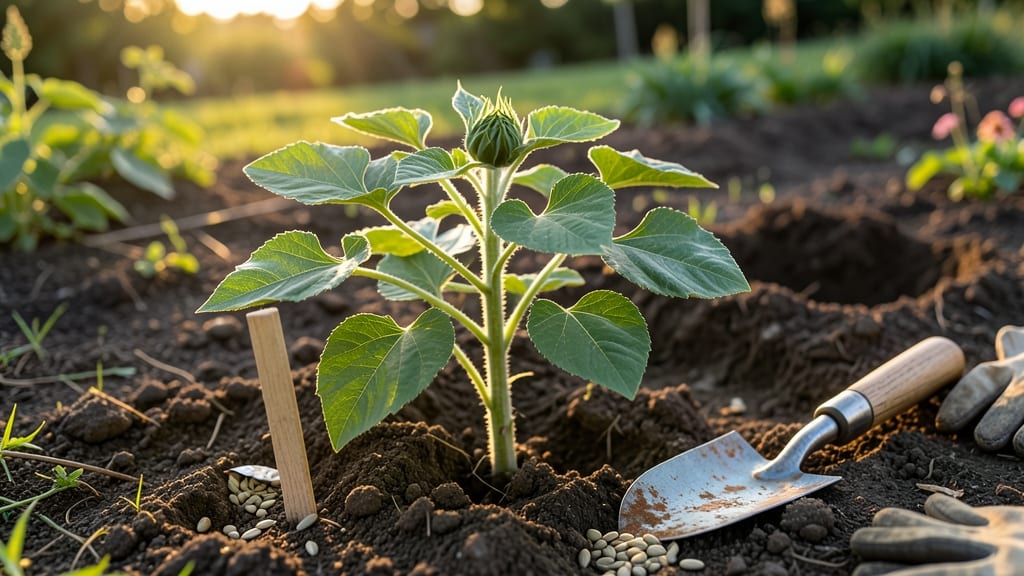
Planting sunflowers in Oklahoma after your last frost date — typically mid-April to early June — sets you up for a bold, sunlit harvest that towers over your garden.
But get it wrong, and you might end up with wilting stalks before they even bloom. Oklahoma’s USDA Zones 7a/7b offer a long growing season, but timing is everything—especially when late frosts or early heat can throw off your 🌻 sunflower dreams.
Whether you’re in central Oklahoma or further north, the key is waiting until soil temperatures hit at least 50°F and all frost risk has passed. That means no more guessing—just a clear, zone-specific timeline to ensure your sunflowers thrive from seed to seed head.
Inside, you’ll find the exact frost-free windows for your region, plus tips on adjusting for Oklahoma’s unpredictable weather, so you can plant with confidence and watch those towering blooms shine all summer long.
Best planting dates for sunflowers in Oklahoma’s USDA Zones 7a/7b
Oklahoma’s USDA Zones 7a/7b offer an ideal climate for growing sunflowers 🌻, but timing is everything. Plant too early, and frost will nip tender seedlings. Wait too long, and your sunflowers might bolt before reaching their full potential.
The key is understanding your local frost dates and soil temperatures to create the perfect growing window.
In northern Oklahoma (Zone 7a), the last spring frost typically occurs around April 1-15, while southern Oklahoma (Zone 7b) sees frost-free conditions by March 15-30.
The first fall frost arrives between November 1-15 in most areas, giving sunflowers a 180-240-day growing season. This timeline is your golden window for planting.
| Planting Window | Zone 7a (Northern OK) | Zone 7b (Southern OK) | Soil Temp Requirement | Method |
|---|---|---|---|---|
| Direct Sowing (Best for Oklahoma) | April 15 - May 15 | March 30 - April 30 | 50°F+ (10°C+) | Sow 1" deep, 6" apart |
| Transplanting (Less Common) | May 1 - June 1 | April 15 - May 15 | 55°F+ (13°C+) | Hardened seedlings, 12" apart |
| Late Summer Succession Planting | July 15 - August 15 | July 1 - August 10 | 60°F+ (16°C+) | Fast-maturing varieties only |
| First Frost Risk | November 1-15 | November 15-30 | N/A | Harvest seeds before frost |
For direct sowing, which is the preferred method in Oklahoma, aim to plant sunflower seeds 2-4 weeks after your last frost date. This gives seedlings time to establish roots before summer heat arrives.
In Zone 7a, that means waiting until mid-April, while Zone 7b gardeners can start as early as late March.
Sunflowers thrive when soil temperatures reach at least 50°F (10°C). Use a soil thermometer to check—if it’s cooler, wait a few days. Northern Oklahoma’s cooler soils may require waiting until late April, while southern Oklahoma’s warmer microclimates can support earlier planting.
If you’re near a lake or river, expect slightly later frosts due to cooler air pockets.
Transplanting sunflowers is less common but possible if you start seeds indoors under grow lights. Harden off seedlings for 7-10 days before transplanting after the last frost date.
Choose compact varieties like ‘Teddy Bear’ if space is limited, as they handle transplant shock better than towering giants like ‘Russian Giant.’
Oklahoma’s unpredictable weather means you should always have a backup plan. If late frosts threaten, use row covers or move potted sunflowers to a sheltered spot. For late summer plantings, opt for fast-maturing varieties like ‘Autumn Beauty,’ which can go from seed to bloom in 50-60 days.
Plant these in July for a fall harvest before frost.
When planting, bury seeds 1 inch deep and space them 6-12 inches apart, depending on the variety. Larger sunflowers need more room to avoid crowding. After germination (which takes 7-14 days in warm soil), thin seedlings to 12-24 inches apart for optimal growth.
Mulch around the base to retain moisture and suppress weeds—critical in Oklahoma’s hot, dry summers.
Monitor your sunflowers closely for bolting, where they flower too quickly due to heat stress. If planted too late, they may not reach maturity before frost. In Zone 7a, aim to harvest seeds by early November, while Zone 7b gardeners have until mid-November.
Once the back of the seed head turns yellow-brown, it’s time to harvest for seed saving or bird feed.
Pro tip: Use a planting calendar to track your local frost dates and adjust accordingly. Oklahoma’s microclimates mean that even neighborhoods just a few miles apart can have 1-2 week differences in frost timing. Check with your local Cooperative Extension office for hyper-local advice tailored to your county.
How to adjust sunflower planting for Oklahoma’s unpredictable weather
Oklahoma’s weather can shift from freezing nights to scorching days in a single week, making sunflower planting a delicate balance. Late frosts in April and sudden droughts in June can devastate your plants if you’re not prepared.
The key is flexibility—adjusting your planting schedule and care routine to match Oklahoma’s unpredictable climate patterns.
Sunflowers are resilient but need the right conditions to thrive. In USDA Zones 7a/7b, most gardeners aim for mid-April to early June planting, but Oklahoma’s late frosts and heatwaves often require adjustments.
For example, northern Oklahoma’s last frost can linger until April 15, while southern regions may see frost-free conditions by March 15. This variation means timing is everything.
🌱 Key Adjustments for Oklahoma’s Weather
- 1. Succession Planting: Stagger plantings every 2 weeks from April to June to ensure continuous blooms and reduce risk from late frosts.
- 2. Shade Cloth for Seedlings: Use 30-50% shade cloth for young plants during heatwaves (90°F+) to prevent wilting.
- 3. Deep Watering Schedule: Water deeply 2-3x per week in summer; reduce to weekly in fall to harden plants for frost.
- 4. Late Frost Protection: Cover seedlings with row covers if nighttime temps drop below 40°F after planting.
- 5. Drought-Resistant Varieties: Choose ‘Autumn Beauty’ or ‘ProCut’ for better heat/drought tolerance.
Succession planting is my go-to strategy for Oklahoma’s variable frost dates. Instead of planting all your sunflowers at once, divide your seeds into three batches spaced 2 weeks apart. This ensures you’ll have blooms from July to October, even if late frosts hit.
For example, plant your first batch in mid-April, the second in early May, and the last in late May. This way, if a frost hits in late April, your later batches will still thrive.
Oklahoma’s summer heat can be brutal, especially for young seedlings. If temperatures soar above 90°F, use shade cloth (30-50%) to protect tender leaves. I’ve seen seedlings wilt within hours in 100°F+ heat, but shade cloth keeps them cool and hydrated.
Remove it after 2-3 weeks once plants are established. Pair this with morning watering (before 10 AM) to prevent fungal diseases like powdery mildew, which thrives in Oklahoma’s humid summers.
Watering is another critical adjustment. Sunflowers need 1-2 inches of water per week, but Oklahoma’s drought risks mean you must monitor soil moisture closely. In summer, I water deeply 2-3 times per week—aiming for the root zone (6 inches deep)—to encourage deep root growth.
In fall, reduce watering to once a week to prepare plants for early frost. Mulching with straw or wood chips helps retain moisture and regulate soil temperature.
Finally, don’t overlook late frost risks even after your ideal planting window. If nighttime temps drop below 40°F after planting, cover seedlings with lightweight row covers or old bedsheets. I’ve saved entire batches of sunflowers this way in northern Oklahoma, where frosts can linger into May.
Remove covers by 10 AM to allow sunlight for photosynthesis. This small step can mean the difference between wilting seedlings and healthy blooms.