
Plants
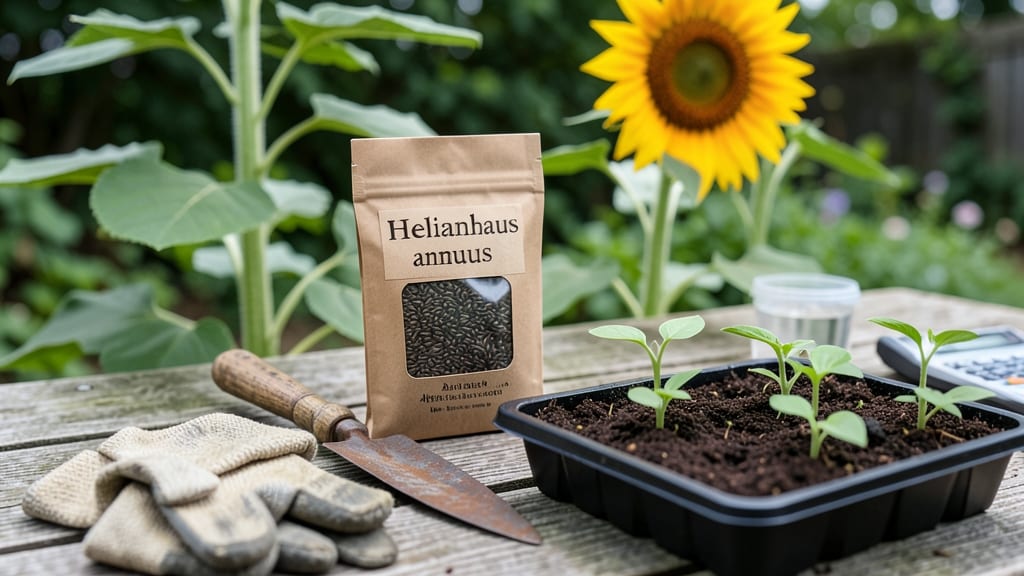
Planting sunflower seeds at the best time ensures fast growth and towering blooms—right after your last frost date is the golden rule for optimal results.
Picture this: you’ve waited all winter, and now your garden is finally ready for sunflowers 🌻. But if you plant too early, a late frost will set your seedlings back—or worse, wipe them out.
Timing isn’t just about the calendar; soil temperature, regional frost risks, and even sunflower variety all matter.
In USDA Zone 6a (like much of the Midwest), aim for mid-April to early May, when the ground warms to 60-65°F. But if you live in a cooler zone, wait until late May, and in warmer climates, you might even squeeze in a fall planting for late-season blooms.
Below, I’ll break down exactly how to calculate your frost-free window, prep your soil for faster germination, and choose the right variety for your climate—so you can go from seed to sunflower in record time.

When to plant sunflower seeds after last frost for optimal growth
Sunflowers are one of the easiest flowers to grow, but their growth speed and bloom size depend entirely on planting at the right time. The ideal window starts after your last frost date when soil temperatures consistently reach 60-65°F.
This ensures quick germination and robust stems before summer heat arrives.
Many gardeners mistakenly plant sunflowers too early, risking frost damage or stunted growth. Waiting until soil warms prevents seed rot and encourages faster emergence. In most regions, this means late April to mid-May, but exact timing varies by USDA zone and elevation.
🌱 Key Insight: Sunflowers grow best when planted in warm soil with full sun exposure. Cold soil slows germination, while late planting may delay blooms until fall.
| USDA Zone | Best Planting Window | Soil Temp Requirement | Regional Notes |
|---|---|---|---|
| Zones 3-5 | Mid-May to early June | 60-65°F (15-18°C) | Wait for stable warmth; frost risk lingers. |
| Zones 6-8 | Late April to May | 60-65°F (15-18°C) | Plant after last frost; soil warms faster. |
| Zones 9-11 | February-March (or fall) | 55-60°F (13-15°C) | Can plant early spring or late summer for fall blooms. |
| High Altitude (5,000+ ft) | June-July | 65-70°F (18-21°C) | Soil stays cooler longer; plant later. |
To find your last frost date, check the USDA Plant Hardiness Zone Map or use a local gardening app. For example, in Zone 6a, like my garden, the last frost typically falls around April 15. I wait another 2 weeks to ensure soil warmth before planting.
For high-altitude gardens, adjust your timeline by 2-4 weeks later than your zone’s average. Cooler nights and slower soil warming mean sunflowers may not germinate well if planted too early. Test soil temperature with a soil thermometer—shoot for 60°F+ at 2 inches deep.
If you’re unsure about your local frost dates, use frost-free calculators online or ask your local cooperative extension office. They provide hyper-local data that’s far more accurate than generic zone guidelines. For instance, my neighbor in Zone 7b plants 2 weeks earlier than me because her microclimate warms faster.
Pro tip: Direct-sow seeds instead of starting indoors. Sunflowers hate transplanting and develop weak stems when disturbed. Plant seeds 1 inch deep, 6 inches apart, and thin seedlings to 18-24 inches for optimal growth. This spacing prevents overcrowding and fungal diseases.
In warmer climates (Zones 9-11), you can even plant sunflowers in late summer for fall blooms. Just ensure they receive 6+ hours of sun daily and water consistently during dry spells. My friend in Zone 10 grows Autumn Beauty sunflowers in September, and they bloom beautifully before winter.
Remember, sunflowers are fast growers—some varieties reach 10 feet in 80 days! Planting at the right time ensures they outpace pests, avoid heat stress, and produce vibrant blooms all season long. 🌻
Signs your garden is ready for sunflower seeds (and how to prepare soil)
Before you rush to plant those sunflower seeds, your garden needs to meet a few key conditions for success. Sunflowers love well-draining soil with a pH between 6.0 and 7.5, and they won’t tolerate soggy roots.
I’ve learned the hard way—planting too early in cold, wet soil can delay germination for weeks, leaving you staring at bare dirt while neighbors admire their towering blooms.
Start by checking your soil moisture. Stick your finger about an inch deep—if it feels damp but not waterlogged, your soil is ready. Sunflowers need consistent moisture during germination, but they’ll struggle if the ground is too wet or too dry.
Think of it like Goldilocks: not too wet, not too dry, but just right for those delicate sprouts.
Next, grab a soil pH test kit (or send a sample to your local extension office). Sunflowers prefer slightly acidic to neutral soil. If your test shows a pH below 6.0, mix in some lime to raise it.
For pH above 7.5, add sulfur or peat moss. I once had my seeds sprout slowly because my soil was too alkaline—adding compost fixed the issue in just a few weeks.
⚠️ callout-warning ⚠️
⚠️ Avoid These Common Mistakes
Planting sunflower seeds in cold soil (below 60°F) delays germination by weeks. Even if frost has passed, check soil temperature with a soil thermometer—wait until it’s consistently 60-65°F at 2 inches deep. Overwatering after planting can drown seeds, while underwatering causes them to dry out before sprouting.
Pro Tip: Mix compost into the top 6 inches of soil before planting to improve drainage and nutrient availability.
Don’t forget to test drainage by digging a small hole and filling it with water. If it drains within an hour, your soil is perfect. If water pools for hours, amend with sand or perlite to improve aeration.
Heavy clay soil? I’ve had great results mixing in coconut coir to lighten it up—my giant ‘Russian Giant’ sunflowers nearly doubled in height because of it!
For an extra boost, add a phosphorus-rich fertilizer like bone meal or a 10-20-10 blend before planting. Sunflowers are heavy feeders, especially during their first 6 weeks.
I swear by a handful of compost mixed into each planting hole—it gives those little seeds the nutrients they need to break through the soil faster. Just avoid overdoing it with nitrogen, which can lead to leafy growth but fewer blooms.
Finally, clear the area of weeds and rocks—sunflowers need space to spread their roots. I like to mulch around the base with straw or wood chips after planting to retain moisture and suppress weeds.
The first few weeks are critical, so keep an eye on your soil’s moisture and temperature. With the right prep, you’ll see those sunflower sprouts emerge in just 7-14 days!