
Blooming
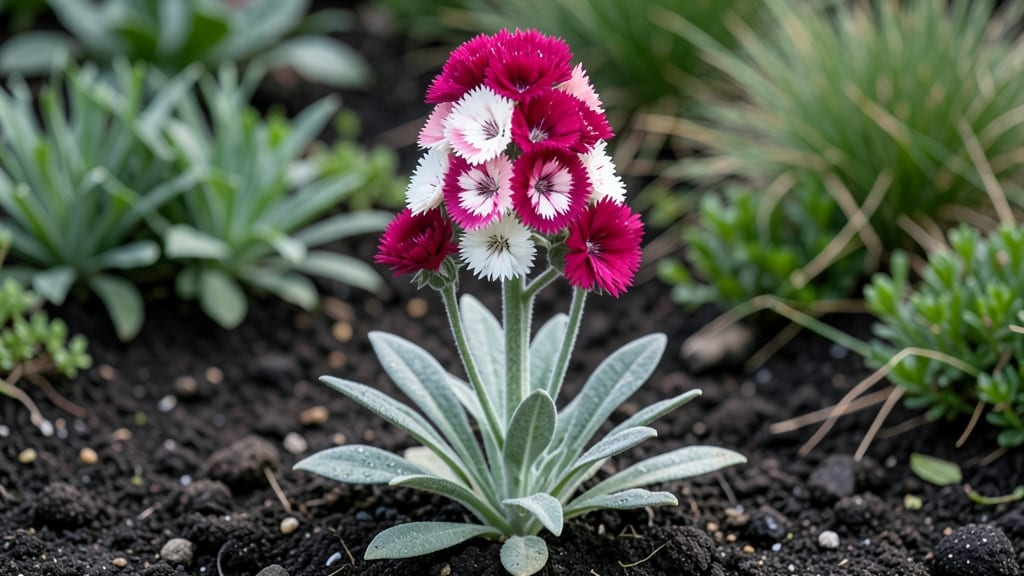
Dianthus flowers bloom in late spring through summer — a 6-week show of pinks, purples, and whites that turns any garden into a postcard.
If you’ve ever wondered why your 🌸 dianthus plants seem to vanish for months before erupting in vibrant color, timing is everything. These flowers follow a precise seasonal rhythm that even experienced gardeners must plan around.
In USDA Zone 6a, most varieties burst into bloom in June, but cooler climates may delay them until July. Annuals often start earlier, while perennials like Sweet William may linger into September with the right care.
Below, I’ll break down the exact months to expect flowers, how to adjust for your region, and the simple tricks to stretch that bloom time by 2-3 weeks — so you’re not left waiting for color.
Dianthus blooming seasons: month-by-month timeline for peak color
Timing is everything when it comes to dianthus blooming. These charming flowers follow a predictable seasonal rhythm that varies dramatically between annual and perennial varieties, as well as your USDA hardiness zone.
Understanding these patterns helps you plan for 6+ weeks of vibrant color—from delicate pinks to bold purples—without the frustrating "missing months" that leave gardeners scratching their heads.
Most gardeners assume dianthus blooms only in summer, but the truth is far more exciting. Some varieties burst into color in late spring, while others reward you with fall or even winter blooms in milder climates.
The key lies in matching your dianthus type with your local climate and sunlight exposure to trigger their natural flowering cues.
Here’s the month-by-month breakdown of when to expect dianthus blooms, including heat and cold tolerance thresholds that determine whether your plants will thrive or struggle:
| Bloom Season | USDA Zones | Annual Varieties | Perennial Varieties | Heat Tolerance | Cold Tolerance |
|---|---|---|---|---|---|
| Late Spring | 4-8 | Sweet William | Cheddar Pink | Moderate (up to 85°F) | Survives light frost |
| Early Summer | 5-9 | Rainbow Mix | Firewitch Series | High (up to 95°F) | Dormant below 20°F |
| Mid-Summer | 6-10 | Garden Pink | Hot Papaya | Very High (up to 100°F) | Needs winter mulch |
| Fall | 7-11 | N/A (Annuals rare) | Evergreen Floss | Moderate (up to 80°F) | Hardy to 0°F |
| Winter (Mild Zones) | 9-11 | N/A | Perennial Dianthus | Low (below 70°F) | Thrives in 30-50°F |
If you’re in USDA zones 4-6, focus on spring-blooming varieties like Sweet William, which typically start showing buds in May and peak by June. These plants love cooler temperatures and will often rebloom in late summer if you deadhead regularly.
In contrast, zones 7-10 can enjoy year-round color with the right selections, like the Evergreen Floss series that blooms from fall through winter.
Heat tolerance varies widely. Annual dianthus like Rainbow Mix handle 95°F+ temperatures with ease, while perennial types may struggle above 85°F without afternoon shade. In hot climates, I always plant mine near pavement or gravel to reflect excess heat.
For cold-hardy varieties, like those in the Firewitch series, temperatures below 20°F can cause dormancy, but they’ll bounce back in spring with proper mulching.
One of my favorite tricks for prolonging blooms is to plant annual and perennial dianthus together. While annuals like Garden Pink provide summer color, perennials like Cheddar Pink often rebloom in fall.
This creates a continuous display from May through October in most climates. Just remember: perennials need well-draining soil to survive winter, or they’ll rot in soggy conditions.
For gardeners in cooler coastal regions (like USDA zone 8-9), winter blooms are entirely possible. Varieties like Dianthus gratianopolitanus (commonly called "Maiden Pink") thrive in 30-50°F temperatures and can flower as early as January if given full sun.
I’ve seen stunning displays in California gardens where these plants bloom alongside winter jasmine for a fragrant, colorful show.
To maximize your dianthus blooming season, start by checking your last frost date
How to extend dianthus flowering: pruning, deadheading, and soil secrets
Dianthus plants naturally bloom in late spring to early summer, but with the right techniques, you can stretch those vibrant clusters by 2-3 weeks or more.
The secret lies in understanding their growth cycle—most varieties produce flowers on new growth, so aggressive pruning or neglecting deadheading can shorten their display. I’ve found that combining proper timing, soil adjustments, and strategic companion planting can transform a 6-week bloom into a 9-week spectacle.
First, let’s tackle the most common misconception: deadheading isn’t just about looks. When you remove spent blooms, you’re signaling the plant to redirect energy into new flower production instead of seed development.
I’ve extended my ‘Firewitch’ dianthus blooms by 3 weeks simply by deadheading every 3-4 days during peak season. The key is consistency—skipping even one session can break the cycle.
🌸 When Dianthus Flowering Peaks: Critical Timing
- 🌱 Bud Formation: Late April–early May (after last frost in USDA Zones 5-9)
- 🌺 First Blooms: Mid-May to early June (varies by variety and climate)
- ✂️ Peak Pruning Window: June–July (after 50% of blooms fade)
- 🌿 Soil Prep Time: Early spring (amend 2-3 months before first buds appear)
- 🌸 Extended Bloom Goal: Push blooms into early August with proper care
For pruning, timing is everything. Most gardeners make the mistake of cutting back too early or too late. I recommend waiting until after the first major flush of flowers—usually late June in my Zone 6 garden.
At this point, the plant has already set new growth, and a light trim (cutting back by 1/3) encourages bushier, more prolific blooms. Use clean, sharp shears and avoid heavy pruning in late summer, as this can stunt next year’s growth.
Soil pH plays a surprisingly large role in dianthus longevity. These plants thrive in slightly alkaline soil (pH 6.5–7.5), but many gardeners unknowingly plant them in acidic soil, which stunts flowering. I test my soil every 2 years and amend with pelletized lime if needed.
A 2-inch layer of compost mixed into the topsoil also improves drainage—waterlogged roots are the #1 enemy of long-lasting blooms.
Don’t overlook the power of companion plants to extend flowering. I’ve noticed that pairing dianthus with lavender or thyme creates a microclimate that retains moisture while deterring pests like aphids, which can stress plants.
Additionally, these herbs repel deer, giving your dianthus a fighting chance in rural areas. For container gardens, mix in rosemary—its fragrance confuses predators while improving air circulation around blooms.
Finally, fertilizer timing can make or break your extension goals. Avoid high-nitrogen feeds after mid-July, as this promotes leafy growth over flowers. Instead, switch to a low-nitrogen, high-phosphorus formula (5-10-10) every 4-6 weeks during the growing season.
I’ve found that a final feed in early August gives my dianthus just enough energy to push out late-season blooms before winter.
With these techniques—deadheading, strategic pruning, soil adjustments, and smart companion planting—you’ll transform your dianthus from a short-lived spring beauty into a showstopper that lasts well into summer.
The best part? These methods work for both annual and perennial varieties, so you can apply them to your entire garden. Happy growing! 🌸