Flowers
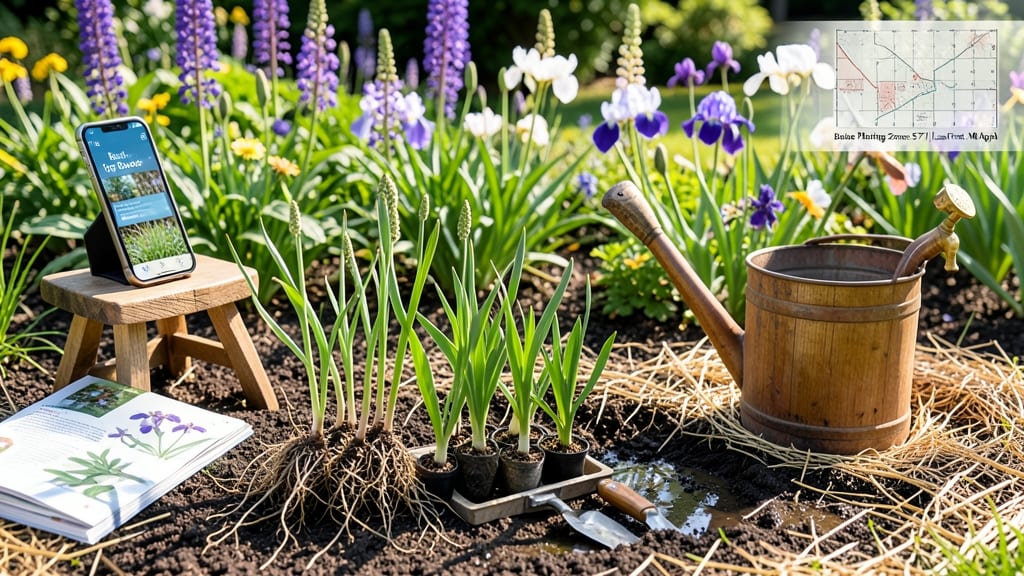
Planting flowers in Boise, Idaho at the right time means the difference between a garden bursting with color and seeds that never sprout.
Boise’s USDA Zone 7b climate throws a curveball—spring can swing from chilly mornings to sudden heatwaves, while fall frost sneaks in earlier than you’d expect. Get the timing wrong, and you’re left with leggy seedlings or flowers that bolt before they bloom.
Here’s the frost-date cheat sheet you need: spring’s last frost typically lands around April 15, while fall’s first frost arrives by October 15. That narrow window dictates whether you’re planting annuals, perennials, or bulbs—and whether you’ll need to adjust for Boise’s alkaline soil or urban microclimates.
Below, I break down the exact months to plant by flower type, plus the top 10 Boise-proven bloomers and how to tweak your schedule for windy yards or water restrictions. No more guesswork—just vibrant gardens from seed to showstopper.
Boise Idaho frost dates & best flower planting times by season
Boise’s USDA Zone 7b climate creates a delicate balance for gardeners—too early, and frost will nip tender seedlings. Too late, and summer heat arrives before your flowers establish roots. With an average last spring frost on April 15 and first fall frost around October 15, timing is everything.
I’ve planted everything from delicate impatiens to hardy lavender in Boise, and these frost dates have saved me from countless failed gardens.
Your planting windows hinge on these dates: spring planting begins March 15 (6 weeks before last frost) and fall planting ends September 1 (6 weeks before first frost). Annuals like marigolds and zinnias thrive when planted after April 15, while perennials like coneflowers and daylilies can handle cooler spring soil.
Bulbs? Plant them in fall (September-October) for spring blooms—just before the ground freezes but after summer’s heat fades.
For annual flowers, I recommend starting seeds indoors in late February for a head start. Heat-loving varieties like lantana or salvia need to wait until May 1, when soil temperatures consistently stay above 60°F.
These plants wilt quickly if planted too early—trust me, I’ve learned this the hard way with my first batch of impatiens in April!
Perennials are more forgiving. Coneflowers and black-eyed Susans can handle Boise’s cool spring nights and thrive when planted in March. I’ve seen them bloom from May through October with minimal care.
For bulbs, focus on fall planting—tulips and daffodils need 6-8 weeks of chilling before they’ll bloom in spring. Plant them by October 15 to ensure they establish roots before winter.
Boise’s dry summers mean you’ll need to water deeply after planting, especially for annuals. I use drip irrigation for new transplants to avoid stress. For perennials, a 2-inch layer of mulch helps retain moisture and regulate soil temperature.
Pro tip: Group heat-tolerant plants together to create microclimates that protect more sensitive varieties.
Don’t overlook fall planting—it’s your secret weapon for early spring blooms. Pansies and snapdragons can handle light frost and will flower from March onward. I plant mine in late August to early September, giving them time to root before winter.
Just avoid planting after September 15, or you risk frost damage before they establish.
If you’re unsure about your microclimate, observe your garden for 3 years to note frost patterns. Urban areas stay warmer than rural spots, so adjust planting times accordingly
Top 10 flowers to plant in Boise by bloom season & care level
Boise’s USDA Zone 7b climate offers a perfect balance for growing hardy perennials and heat-tolerant annuals. The key? Choosing flowers that thrive in our hot summers and cool springs while matching your care level—whether you’re a beginner or a seasoned gardener.
Below, I’ve ranked the top 10 flowers based on bloom season, sunlight needs, and ease of care, with local microclimate tips for urban vs. rural Boise.
For urban gardens with limited space, focus on dwarf varieties like lavender or petunias, while rural areas can handle taller perennials like coneflowers or black-eyed Susans. All these picks are drought-tolerant once established, perfect for Boise’s water-wise gardening needs.
Coneflowers (Echinacea) are my top recommendation for Boise gardens—they’re perennial powerhouses with long bloom seasons (June–October) and low maintenance. Plant them in full sun with well-draining soil, and they’ll thrive in both urban containers and rural borders. Deadhead spent blooms to encourage more flowers, and they’ll spread over time, creating a pollinator magnet.
If you love fragrant flowers, lavender is a must—it’s drought-resistant, deer-resistant, and blooms from June to September. For urban microclimates, choose dwarf varieties like ‘Munstead’ to fit small spaces.
In rural areas, let it grow wild in poor soil—it’ll still thrive! Just avoid overwatering, as lavender hates soggy roots.
For beginner-friendly annuals, marigolds and zinnias are winners. Marigolds bloom from June to frost and repel pests, while zinnias offer bold colors and attract butterflies. Both love full sun and regular watering—perfect for first-time Boise gardeners. Plant seeds after the last frost (mid-April) for instant color.
Don’t overlook dahlias for a showstopping display! These mid-to-late summer bloomers (July–October) need rich soil and staking but reward you with garden-sized flowers.
In Boise’s heat, mulch heavily to retain moisture and prevent bolting. Save tubers over winter by digging them up before the first frost (October 15).
For shade-loving options, columbines and bleeding hearts thrive in partial shade (3–6 hours of sun). Both are perennials that bloom in spring and early summer and naturalize beautifully. Columbines love woodland gardens, while bleeding hearts prefer moist, well-draining soil. They’re ideal for urban backyards with mature trees.
To extend your bloom season, pair early bloomers like tulips (plant bulbs in fall) with late-season flowers like asters (bloom September–October). Asters are native-friendly and thrive in Boise’s alkaline soil—just give them full sun and moderate water.
For rural gardens, let them self-seed for years of low-maintenance color.
Pro tip: Group flowers by water needs to simplify care. Drought-tolerant perennials like lavender and coneflowers can share space with annuals that need more frequent watering, like petunias. And always mulch in spring and fall to protect roots from Boise’s temperature swings.