
Flowers
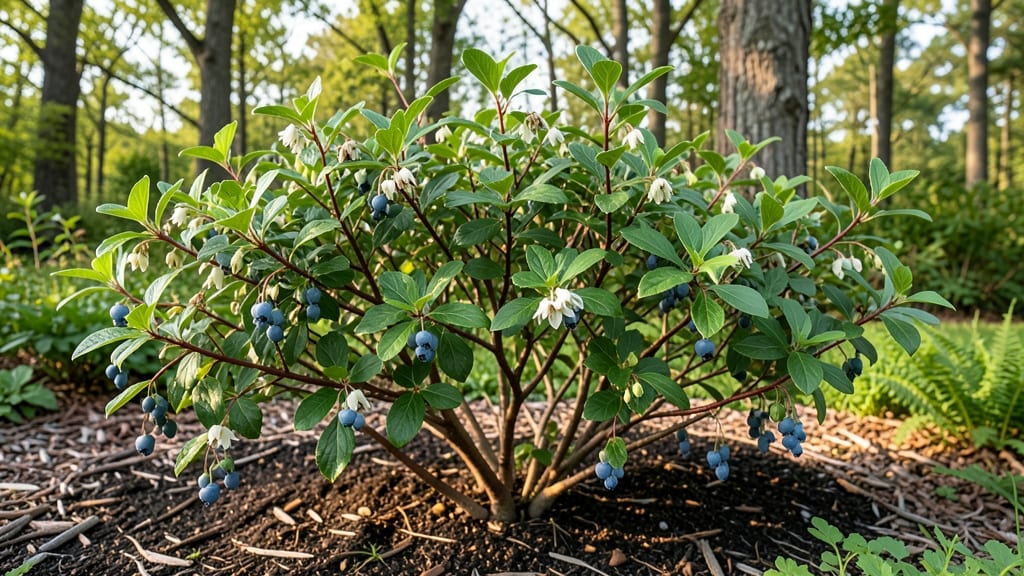
Transforming blueberry flowers into fruit is a 60- to 90-day process that depends on the right conditions, timing, and a little luck with pollinators.
Did you know blueberry bushes transform delicate white flowers into sweet, juicy berries in just 60-90 days—but only if you know exactly what to watch for? Understanding each stage of this process is the key to a bountiful harvest.
From the first bloom in spring to the ripening of 🫐 berries in summer, every step matters. Too much heat, poor pollination, or even overwatering can send your crop crashing down.
But don’t worry—with the right care, you can avoid common pitfalls and turn those pretty blossoms into a harvest of plump, flavorful blueberries.
In this guide, I’ll walk you through the 5 critical stages of blueberry fruit development, how to support pollination, and what to do when things go wrong. Whether you’re a first-time grower or a seasoned gardener, these tips will help you maximize your yield.
The 5 critical stages of blueberry flower to fruit development
Blueberry bushes go through five distinct stages from flower to fruit, each requiring specific care to ensure a successful harvest. Understanding these stages helps you anticipate needs, troubleshoot issues, and maximize your yield. The process typically takes 60-90 days, but weather and care practices can accelerate or delay it.
I’ve watched my own blueberry bushes transform from delicate white blossoms to plump, juicy berries, and I can tell you—missing even one stage can mean fewer berries or poor-quality fruit. Let’s break down each phase so you know exactly what to watch for and how to support your bushes.
| Stage | Key Features | Duration | Critical Care | Weather Risks |
|---|---|---|---|---|
| 1. Bloom Stage | White bell-shaped flowers appear in clusters | 7-10 days | Protect from frost, ensure pollinators | Late frost kills blooms |
| 2. Pollination | Flowers wilt, tiny green berries form | 5-7 days | Hand-pollinate if needed, monitor for pests | Rain washes away pollen |
| 3. Fruit Set | Berries grow from pea-sized to marble-sized | 20-30 days | Thin overcrowded fruit, maintain moisture | Drought causes fruit drop |
| 4. Rapid Growth | Berries enlarge quickly, color deepens | 20-30 days | Reduce nitrogen, increase potassium | Heat stress slows growth |
| 5. Ripening | Berries turn blue/purple, soften slightly | 15-20 days | Harvest at peak ripeness, protect from birds | Rain cracks berries |
The first stage, bloom stage, begins when your blueberry bushes burst into white bell-shaped flowers in early spring. This is your first warning sign that fruit development is underway! The flowers are highly sensitive to late frost, which can kill them before pollination occurs.
I always monitor my local frost dates and use frost cloth if temperatures dip below 28°F.
During pollination, which happens 5-7 days after blooming, you’ll notice the flowers wilting as tiny green berries form. This stage is critical because poor pollination leads to fruit drop.
If you notice few berries forming, consider hand-pollinating with a soft brush or attracting more bees by planting pollinator-friendly flowers nearby.
The fruit set stage is where those tiny berries grow from pea-sized to marble-sized over 20-30 days. This is when you’ll need to thin overcrowded fruit to ensure larger, healthier berries.
I remove small or deformed berries by gently twisting them off the stem. Too many berries can stress the plant, leading to poor-quality fruit.
As berries enter the rapid growth stage, they’ll enlarge quickly and deepen in color. This phase requires balanced fertilization—too much nitrogen can delay ripening.
I switch to a low-nitrogen, high-potassium fertilizer to support fruit development. Watch for heat stress, which can slow growth if temperatures exceed 90°F.
The final stage, ripening, is when berries turn from green to their signature blue or purple hue. They’ll also soften slightly and develop a glossy sheen.
Harvest them when they’re firm but yield slightly to gentle pressure. If left too long on the bush, they’ll become mushy or attract pests like birds
How to ensure successful pollination for maximum blueberry yield
Blueberry bushes rely on a delicate balance of nature and human intervention to transform their white flowers into the juicy berries we love. Without proper pollination, you might end up with fewer fruits or even no harvest at all.
The good news? You can take control with simple strategies to attract pollinators and ensure every flower has the best chance to become a berry.
First, understand that blueberries are self-pollinating, but they thrive when bees, butterflies, and other pollinators help the job along. Even low-growing varieties or those in cooler climates can benefit from a little extra attention.
By creating an inviting environment and knowing when to step in, you can maximize your blueberry yield and enjoy a bounty of sweet, plump berries.
If you notice poor fruit set despite your efforts, don’t panic. Sometimes, environmental factors like extreme heat or drought stress can hinder pollination. In such cases, focus on deep watering and providing afternoon shade to keep flowers healthy.
You can also thin out excess fruits to ensure the remaining berries get enough nutrients to grow large and sweet.
For self-pollinating varieties, gently shake the branches during bloom time to help pollen transfer naturally. This works best on dry days when humidity is low, as wet conditions can make flowers too sticky for effective pollination.
Consistency is key—repeat this process every 2-3 days during the flowering phase for the best results.
Finally, keep an eye out for flower drop, where buds fall off before setting fruit. This often happens due to temperature fluctuations or nutrient deficiencies.
If you see excessive flower drop, adjust your care routine by ensuring your bushes get consistent moisture and a balanced fertilizer to support healthy fruit development.