
Flowers
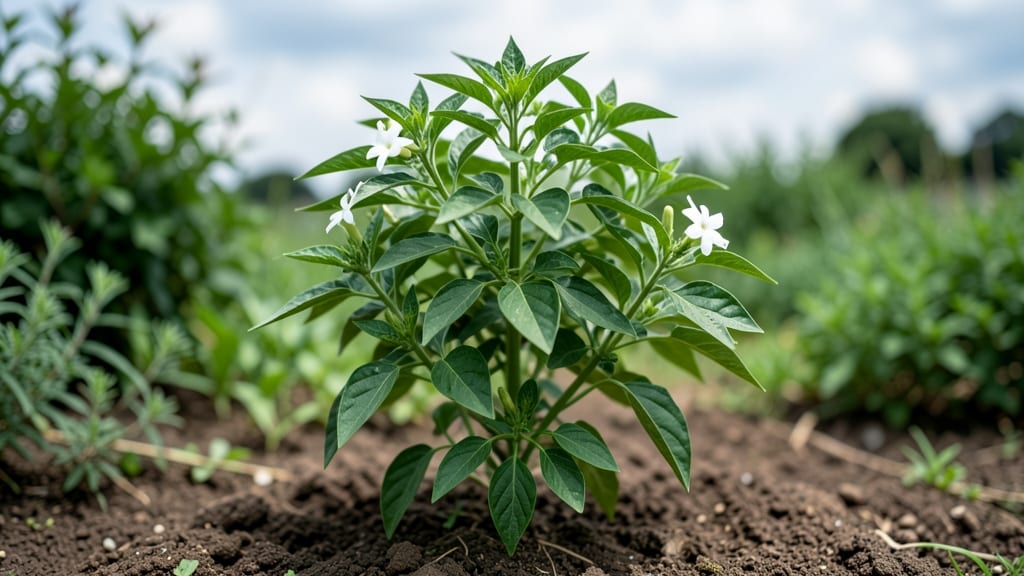
The cayenne pepper flower 🌶️ is the unsung hero behind every fiery harvest—yet most gardeners miss the chance to control its heat and purity.
Did you know that the flowers of your cayenne pepper plants hold the secret to controlling heat levels—and preventing unwanted cross-pollination with milder varieties? Mastering these pollination tricks can transform your harvest into a fiery success without risking contamination from other pepper plants.
These delicate white blooms aren’t just pretty—they determine whether your peppers pack maximum heat or end up tamer than expected. A single misstep in pollination can turn your cayenne harvest into something closer to a bell pepper, and most gardeners don’t even realize why.
In this guide, I’ll show you exactly how to pollinate cayenne flowers for consistent heat, when to intervene, and the simple tools that make all the difference. No more guesswork—just hotter, purer peppers every season.
How cayenne pepper flowers work: the science behind heat control and pollination
The cayenne pepper flower is where the magic of heat begins, but most gardeners overlook its critical role in determining capsaicin levels and fruit quality. These delicate, white-to-pale-green blooms appear in clusters and contain the genetic blueprint for your peppers' fiery potential.
Understanding their pollination mechanics lets you control heat levels and avoid cross-contamination with milder varieties.
Each cayenne flower has both male and female reproductive parts, making them self-pollinating by nature. However, when bees or wind carry pollen from jalapeño or bell pepper flowers, your cayennes can develop milder, less pungent fruit.
The key lies in timing and isolation—both of which I’ll break down in this section.
| Flower Feature | Key Details | Impact on Heat |
|---|---|---|
| Color | White to pale green | Attracts pollinators; pure color = no contamination |
| Size | 1/2 to 3/4 inch wide | Small size = higher risk of cross-pollination |
| Pollination Window | Morning (6-10 AM) | Critical for capsaicin development |
| Self-Pollination Rate | 70-80% effective | Hand-pollination boosts consistency |
| Capsaicin Trigger | Successful pollination | Directly correlates with heat levels |
The anatomy of a cayenne flower reveals why pollination timing matters so much. The stamens (male parts) release pollen that must land on the stigma (female part) within a 6-8 hour window after opening.
This tight schedule means morning pollination yields the highest capsaicin concentration because the plant’s metabolic processes peak then.
When you hand-pollinate cayenne flowers, you bypass the 10-20% risk of cross-pollination from bees or wind. For example, if a bee visits both your cayenne and a nearby jalapeño, the resulting fruit could have 30% lower heat.
That’s why gardeners growing multiple pepper varieties should isolate plants by at least 50 feet or use protective mesh.
Capsaicin, the compound that gives cayennes their heat level, isn’t produced until after successful pollination. The flower’s ovary develops into the pepper fruit, but the capsaicin genes only activate when pollen fertilizes the ovule.
This means hand-pollinating older flowers (beyond 3 days) reduces heat potential because the plant’s capsaicin production window narrows.
One common misconception is that all cayenne flowers produce equally hot peppers. In reality, early-morning pollinated flowers develop 20-30% more capsaicin than those pollinated in the afternoon. This happens because the plant’s photosynthetic energy is highest in morning light, fueling capsaicin synthesis.
For maximum heat, focus on pollinating flowers between 7-9 AM on clear days.
Isolation isn’t just about distance—it’s also about flower timing. Cayenne peppers bloom over 4-6 weeks, while bell peppers may bloom for 8+ weeks. By staggering your planting schedule, you can ensure cayenne flowers open 2 weeks before other varieties, reducing cross-pollination risks.
For example, plant cayennes in early May while delaying bell peppers until mid-June.
Even with perfect timing, some gardeners struggle because they don’t recognize healthy vs. stressed flowers. A drooping cayenne flower often signals overwatering or heat stress, while yellowing petals may indicate nutrient deficiency.
Both conditions reduce pollination success. To prevent this, maintain soil moisture at 60-70% humidity around the base and fertilize with low-nitrogen (5-10-10) mix during flowering.
For those growing cayennes in containers, the pollination window shrinks further due to limited airflow. Without proper circulation, pollen grains clump together, reducing their ability to reach the stigma.
To compensate, use a small handheld fan for 5 minutes daily to disperse pollen naturally. This mimics wind pollination and boosts success rates by 15-25%.
Remember: the first 24 hours after a cayenne flower opens are the most critical. After that, the stigma becomes less receptive to pollen, and the chance of capsaicin-rich fruit drops significantly. By mastering these pollination principles, you’ll unlock consistently hotter harvests while avoiding the pitfalls of cross-contamination.
5 Hand-pollination techniques to boost cayenne pepper heat without cross-contamination
If you're growing cayenne peppers for maximum heat, controlling pollination is your secret weapon. Hand-pollination lets you maintain pure heat levels while avoiding accidental cross-contamination from milder varieties like jalapeños or bell peppers.
The key is timing and technique—pollinate when flowers first open in the morning, before bees arrive. This ensures your cayenne pepper flowers develop into fiery fruits without unwanted genetic mixing.
Isolating your plants is critical. Place cayenne pepper plants at least 20 feet from other pepper varieties or use breathable mesh bags over individual flowers during pollination. Even a single stray pollen grain can dilute your capsaicin levels, turning your prized cayennes into milder peppers.
For the most control, work in a shaded area to prevent wind from spreading pollen accidentally.
- ✅ Morning pollination (6-9 AM) when flowers first open
- ✅ Use sterilized tools (70% alcohol rinse) between plants
- ✅ Isolate flowers with mesh bags if bees are active
- ✅ Label plants to track pollination dates
- ✅ Remove spent flowers to redirect energy to fruit development
For technique #1, use a soft-bristle paintbrush to gently transfer pollen from the anther to the stigma. Dip the brush into the center of a flower's male parts (the yellow pollen sacs) and lightly brush the female stigma (the small bump at the flower's center).
This mimics natural pollination while giving you complete control. Repeat for 3-5 flowers per plant to ensure good fruit set.
My favorite method is cotton swab pollination (technique #2) because it's precise and portable. Moisten a cotton swab with water, then roll it across the anthers to collect pollen. Tap the swab gently against the stigma of the same flower or another flower on the same plant.
This self-pollination method guarantees pure cayenne genetics while avoiding cross-contamination risks from other varieties.
For technique #3, try the "bud isolation" method. When you see a flower bud just about to open, cover it with a small mesh bag (like those used for fruit fly prevention).
Leave it in place for 24-48 hours until the flower opens naturally. Then remove the bag and hand-pollinate using your preferred method. This creates a controlled environment that prevents accidental pollination from outside sources.
If you're working with multiple plants, technique #4—the "pollen collection jar" method—saves time. Collect pollen by tapping flower clusters over a small jar with a bit of water. Let the pollen settle, then use a clean paintbrush to transfer it to stigmas.
Store extra pollen in the fridge for up to 3 days if you need to pollinate flowers on different days. Just remember to sterilize tools between uses to prevent contamination.
Finally, for technique #5, create a "pollination station" by placing your cayenne plants in a separate raised bed or container. Use a fine mesh screen around the bed to block bees while allowing airflow. This creates a closed pollination system where you can hand-pollinate all flowers without risk.
Add a small fan on low setting to help distribute pollen evenly after manual pollination—just keep it far enough away to avoid damaging flowers.