
Flowers
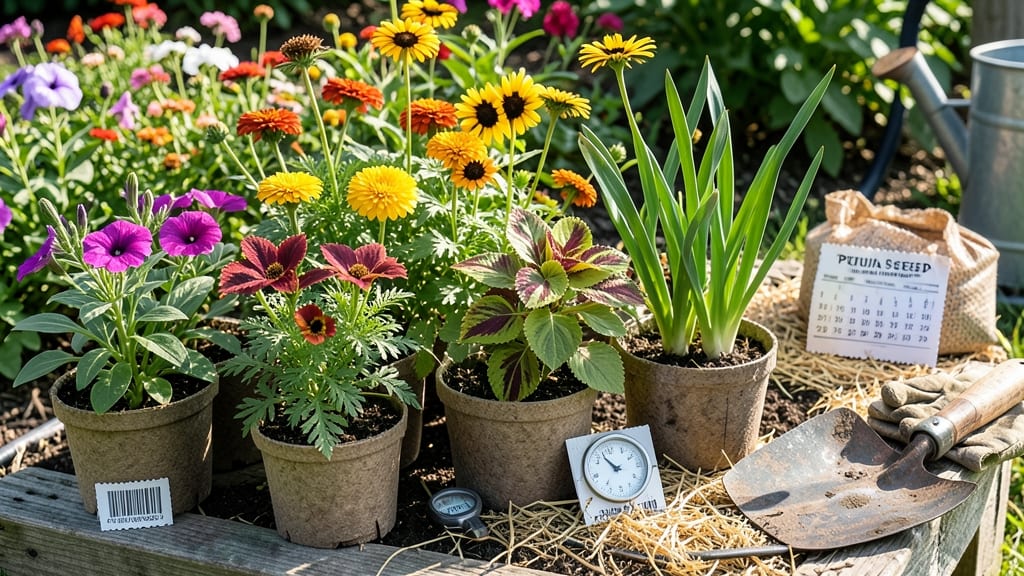
When it is safe to plant flowers in Missouri depends on waiting for the last frost after April 15 in most zones, but the exact timing depends on your USDA zone and microclimate.
Missouri gardeners know timing is everything—plant too early and frost will strike, too late and summer blooms will fade before they peak. Here’s your exact guide to frost-free planting dates across Missouri’s USDA zones, plus pro tips to extend your growing season.
In 5b-6a zones, where most of the state falls, soil temperatures typically hit 60°F by mid-April, but urban heat islands or late cold snaps can push that window into May. That’s why checking soil warmth and monitoring local forecasts is the key to avoiding frost damage.
Below, I’ll break down the best planting windows by zone, the most cold-hardy flowers to start early, and how to adjust for Missouri’s unpredictable spring weather—so you can enjoy vibrant blooms from June through October.
Missouri frost-free dates by USDA zone: exact planting windows
Missouri spans USDA zones 5a through 7a, creating dramatic differences in frost-free dates from northern zone 5a to southern zone 7a.
In zone 5a (northwest Missouri), gardeners typically wait until April 25 to plant frost-sensitive flowers, while zone 7a (southeast Missouri) enjoys an earlier window starting March 15. These dates mark the 90% frost-free probability, but microclimates—like urban heat islands—can shift your local window by 1-2 weeks.
For spring planting, most Missouri gardeners aim to have flowers in the ground by May 1 to ensure vibrant summer blooms. However, cold-hardy annuals like pansies and snapdragons can handle light frosts and may be planted as early as March 15 in zone 7a.
The key is monitoring soil temperatures, which should stay above 50°F for 7 consecutive days before planting tender flowers.
Fall planting works in reverse—zone 5a gardeners can extend their season until September 15 for frost-tolerant flowers like chrysanthemums and asters, while zone 7a may push until October 15.
Always check first frost dates, which range from October 15 in zone 5a to November 15 in zone 7a.
Here’s a zone-by-zone breakdown of Missouri’s frost-free windows, including historical data and planting examples for your region:
| USDA Zone | Avg. Last Frost | Avg. First Frost | Spring Planting Window | Fall Planting Window | Example Cities |
|---|---|---|---|---|---|
| 5a | April 25 | October 15 | May 1–May 15 | September 1–September 15 | St. Joseph, Kirksville |
| 5b | April 15 | October 25 | April 20–May 1 | September 15–October 1 | Columbia, Springfield |
| 6a | April 1 | November 5 | March 20–April 15 | October 1–October 15 | St. Louis, Jefferson City |
| 6b | March 20 | November 15 | March 1–March 20 | October 15–November 1 | Poplar Bluff, Cape Girardeau |
| 7a | March 15 | November 25 | February 20–March 15 | November 1–November 15 | Paducah, Farmington |
If you’re in St. Louis (zone 6a), aim to plant tender annuals like petunias or geraniums by April 15, while Kansas City (zone 5b) gardeners should wait until April 20.
For perennials, divide and transplant in early spring (March–April) or early fall (September–October) to avoid stress from extreme temperatures.
Pro tip: Use row covers or cold frames to extend your spring planting window by 2-3 weeks in cooler zones like 5a. This lets you sow cool-season flowers like calendulas or stock as early as March 1, even in northern Missouri.
For fall planting, prioritize frost-tolerant varieties such as chrysanthemums or pansies, which can survive light frosts and even bloom into December in zone 7a. In zone 5a, focus on hardy perennials like black-eyed Susans or coneflowers, which establish roots by September 1 for next
How to adjust planting dates for Missouri’s unpredictable weather
Missouri’s weather can throw curveballs—one week might feel like spring, and the next, frost could return unexpectedly. To protect your flowers, I’ve learned to adjust planting dates based on soil temperature, microclimates, and cold-hardy varieties.
Urban areas like St. Louis often warm faster than rural zones, while valleys can stay colder longer. Start by checking your local USDA zone (5a-7a) and adding a 2-week buffer for safety.
For example, if your zone’s average last frost is April 15, wait until May 1 to plant heat-loving flowers like marigolds or zinnias. Cold-hardy annuals like pansies or snapdragons can handle lighter frosts (down to 25°F), so they’re safer to plant 2-3 weeks earlier.
Always test soil temperature with a soil thermometer—aim for 60°F or warmer for most flowers.
- 📅 Use a frost calendar but add 10-14 days to average dates—Missouri’s weather is unpredictable!
- 🌡️ Check soil temp (not air temp)—60°F+ signals safe planting for most flowers.
- 🏙️ Urban areas warm faster—plant 1 week earlier in cities vs. rural zones.
- 🌼 Choose cold-hardy flowers like pansies or calendula for early starts.
- 🌡️ Monitor forecasts—if a late frost is predicted, cover seedlings with frost cloth.
Microclimates play a huge role in Missouri. A south-facing slope might be 5-10°F warmer than a north-facing yard, letting you plant earlier. Similarly, paved urban areas retain heat, while wooded areas stay cooler. For containers, move pots closer to your home’s south wall at night to trap heat.
If you’re in Zone 5a (northern MO), consider row covers or a cold frame to extend your season by 3-4 weeks.
Heatwaves can also disrupt planting. If temperatures soar above 85°F before flowers are established, they’ll struggle to root. In this case, opt for shade-tolerant flowers like impatiens or coleus, or delay planting until late May.
Always water deeply in the morning to help roots establish before the heat sets in. Mulch with straw or shredded leaves to keep soil cool and retain moisture.
Fall planting is another game-changer. For cool-season flowers like asters or chrysanthemums, aim to plant by September 1 in southern Missouri (Zone 7a) or August 15 in northern zones. These bloomers thrive with cool nights and mild days, giving you color until the first hard frost.
Use a planting calendar to track your local first frost date—then count backward to determine your ideal window.
Finally, keep a gardening journal to track your own frost dates over the years. Note when your last frost occurs and when first blooms appear—this helps you fine-tune future planting schedules.
For example, if your zinnias bloom 2 weeks earlier than average one year, you can adjust next season’s planting to maximize their summer display. With these strategies, you’ll beat Missouri’s weather and enjoy longer bloom times! 🌸