
Flowers
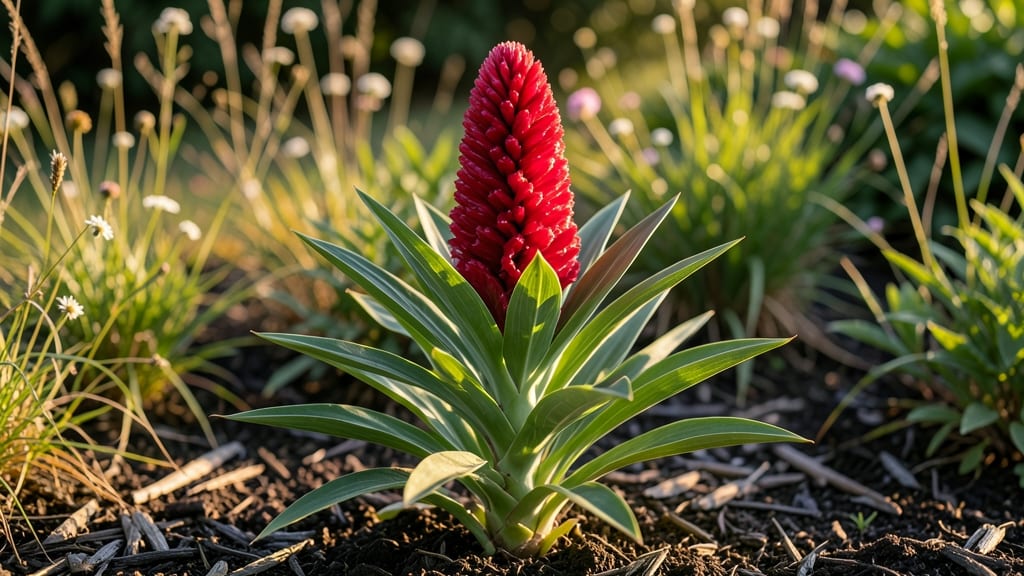
Celosia flower height can transform your garden from a sea of green to a bold, fiery display — but only if you pick the right variety for your space.
Struggling to fit those dramatic plumes into your garden design? Their heights range from just 6 inches to over 4 feet, making them perfect for everything from window boxes to towering centerpieces. The challenge? Knowing which type will thrive in your growing conditions and fit your vision.
Some celosia varieties stay compact, ideal for borders or containers, while others shoot up like fireworks, demanding staking or strategic spacing. Below, I break down how to choose between dwarf and towering types, plus proven tricks to control their growth without sacrificing those showstopping blooms.
Whether you want a neat 1-foot hedge or a 4-foot statement plant, this guide covers the science of height — from sunlight’s role to pruning secrets that keep stems sturdy. Ready to design with confidence?

Celosia flower height by variety: compact vs. towering options
Choosing the right celosia flower height can transform your garden from cluttered to curated. These striking annuals grow in three distinct forms—plumed, crested, and uprightwindow box charm or backyard focal points, selecting the right variety ensures your design vision comes to life without overcrowding.
I’ve grown celosias in everything from container gardens to border plantings, and the height differences are dramatic. Dwarf varieties stay under 12 inches, while aggressive growers can reach 4 feet.
The key lies in understanding each type’s growth habit and selecting based on your space. Let’s explore how to match celosia height to your garden’s needs.
| Variety Type | Mature Height Range | Growth Habit | Best For | Spacing Needs |
|---|---|---|---|---|
| Dwarf Plumed | 6–12 inches | Compact, bushy | Window boxes, fairy gardens | 6–8 inches apart |
| Crested 'New Look' | 12–18 inches | Semi-upright, mounding | Container gardens, borders | 10–12 inches apart |
| Plumed 'Flame' | 18–24 inches | Tall, plume-like | Cut flowers, back borders | 12–15 inches apart |
| Upright 'Vintage' | 24–36 inches | Sturdy, vertical | Back of beds, tall arrangements | 15–18 inches apart |
| Giant Plumed 'Cockscomb' | 36–48 inches | Bold, architectural | Focal points, cut flower gardens | 18–24 inches apart |
For small spaces, I recommend starting with dwarf plumed varieties like 'Tom Thumb'. This 6–12 inch beauty thrives in 6-inch pots and adds vibrant color to patios or balcony railings.
Its bushy growth habit makes it ideal for container gardening, where height control is critical. Plant 6–8 inches apart to prevent overcrowding.
If you’re designing a border garden, crested varieties like 'New Look' offer the perfect middle ground. These 12–18 inch plants create a mounding effect that softens edges while adding texture.
Their semi-upright stems hold up well in moderate winds, making them low-maintenance stars. Space them 10–12 inches apart for a lush, layered look.
For dramatic height, upright celosias like 'Vintage' deliver 24–36 inches of vertical impact. These varieties excel as backdrop plants or in cut flower arrangements. To keep them sturdy, plant in well-draining soil and provide support stakes if needed.
Their architectural plumes add structure to mixed beds, especially when paired with grasses or ornamental grasses.
My all-time favorite for bold statements is the giant plumed 'Cockscomb'. This 36–48 inch variety demands space but repays it with showstopping blooms. I’ve used it as a centerpiece in perennial gardens and even as a living room focal point when brought indoors.
For maximum impact, plant it 18–24 inches apart and pair it with tall grasses or sunflowers.
Pro tip: Soil fertility directly affects height. Over-fertilizing can lead to leggy growth, while balanced feeding (like a 5-10-10 NPK) encourages compact, bushier plants. I always apply a light feed at planting and again when flowers first appear.
Avoid heavy nitrogen—it promotes foliage over blooms, reducing the visual drama these flowers are known for.
Light also plays a role in height control. While celosias tolerate partial shade, they reach their full potential in full sun (6+ hours daily). In shadier spots, stems may stretch toward light, creating leggy, weak plants.
For container growers, rotate pots weekly to ensure even light exposure and prevent one-sided growth.
When planning your layout, consider mature height and how each variety will interact with its neighbors. For example, pairing dwarf plumed celosias with petunias or lobelia creates a spilling effect over container edges. Meanwhile, tall upright varieties work beautifully alongside black-eyed Susans or coneflowers in a
Celosia flowers can shoot up quickly, sometimes reaching over 4 feet if left unchecked. But with strategic pruning, you can control their height while encouraging fuller, bushier blooms. The key is timing—prune too early, and you’ll delay flowering; too late, and you risk leggy stems. I’ve found the best time to prune is when plants reach half their expected height, usually 4-6 weeks after transplanting. Pruning also stimulates lateral branching, which means more flower heads per plant. For compact varieties like 'Celosia cristata', you’ll want to trim just above a leaf node to promote side shoots. For taller types, like 'Celosia argentea', a light pinch at the top can redirect energy downward, creating a sturdier base. Seasonal adjustments matter too. In spring and early summer, focus on light pruning to shape plants. By mid-summer, if your celosia is getting too tall or leggy, a harder prune (cutting back 1/2 of the height) can revive growth. Just avoid pruning after the first frost—it won’t recover in time for next year’s blooms. For organic height control, try companion planting with shorter flowers like marigolds or zinnias. Their presence naturally limits celosia’s vertical spread while adding color contrast. You can also stake taller varieties early to prevent flopping and encourage upward growth. Remember, less is more when pruning celosia. Over-trimming can stress the plant and delay blooming. Start with small cuts, monitor growth, and adjust as needed. With practice, you’ll master the art of shaping celosia to fit your garden’s vision—whether that’s a neat border or a dramatic centerpiece. 🌱How to prune celosia for controlled height and bushier blooms
Step-by-Step Pruning Guide for Celosia