
Blooming
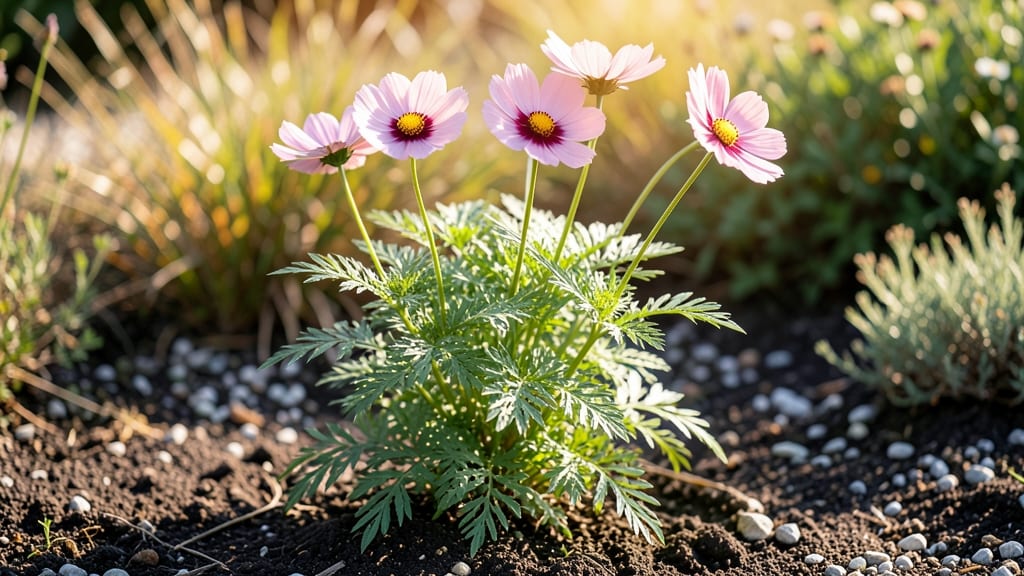
The cosmos flowering season spans from June through October in most of the U.S., but timing shifts dramatically depending on your USDA zone.
Picture this: your garden erupts in bright pinks and whites by early summer, only to fizzle out by Labor Day—unless you know the tricks to stretch that season. The key? Planting in the right window and choosing varieties that thrive in your climate.
In cooler zones like USDA 6, cosmos often kick off in late June after the last frost, while southern gardeners in zones 9-11 can enjoy blooms as early as May and well into November. Sunlight, soil warmth, and even deadheading play a bigger role than you might think.
Below, I’ll break down the exact bloom windows by zone, share three foolproof ways to extend your cosmos show, and reveal which varieties stay vibrant the longest—no matter where you live.
Cosmos flowering season by USDA hardiness zones (2024 guide)
Timing your cosmos planting by USDA hardiness zones ensures continuous blooms from early summer through frost. These sun-loving annuals thrive in zones 3-11 but have distinct seasonal patterns.
In colder regions, early varieties bloom first, while warm zones enjoy extended flowering. Let's explore how to maximize your cosmos flowering season based on your climate.
Cosmos flowers are frost-sensitive, so understanding your last frost date is critical. In USDA zones 3-5, plant seeds after the last frost (typically May-June) for summer blooms.
Zones 6-9 enjoy longer seasons, with some varieties flowering until first frost in October. Tropical zones 10-11 can have year-round blooms with proper care.
Here's a quick reference for bloom timing across all zones:
| USDA Zone | Planting Time | Bloom Period | Frost Sensitivity | Best Varieties |
|---|---|---|---|---|
| 3-4 | Late May - June | July - August | High (dies at 32°F) | Sensation Mix, Bright Lights |
| 5-6 | Early May - June | June - September | High (32°F threshold) | Sea Shells, Double Click |
| 7-8 | April - May | May - October | Moderate (28°F threshold) | Purity, Sensation White |
| 9-10 | February - March | March - November | Low (24°F threshold) | Bright Lights, Chocolate |
| 11 | Year-round | Year-round | None (tropical) | All varieties |
In USDA zones 3-5, focus on early-blooming varieties like Sensation Mix. These cold-hardy cosmos tolerate cooler soils and shorter growing seasons. Plant seeds directly after your last frost date (usually late May) for summer color. For extended displays, consider succession planting every 2-3 weeks.
Zones 6-9 offer the longest cosmos flowering seasons, often from late spring to frost. In these regions, you can mix early, mid, and late-season varieties for continuous blooms.
For example, plant Sea Shells in early spring for June blooms, then add Bright Lights in summer for fall color. Always monitor first frost dates to protect tender plants.
Tropical USDA zones 10-11 provide unique opportunities for year-round cosmos blooms. Here, focus on heat-tolerant varieties like Chocolate cosmos that thrive in 90°F+ temperatures.
Plant in winter (Dec-Feb) for spring blooms, then again in summer (June-July) for fall displays. These zones rarely experience frost, allowing continuous planting every 6-8 weeks.
For all zones, deadheading spent blooms extends the flowering season by encouraging new buds. In cooler climates, use row covers to protect plants from early frosts. In warm zones, provide light shade during peak summer heat to prevent bolting. Regular watering (1-1.5 inches weekly) maintains vibrant blooms across all regions.
Pro tip: Use cosmos as cut flowers to extend their display indoors. Harvest stems in the morning when blooms are fully open. Change vase water every 2-3 days to keep flowers fresh for 7-10 days. This doubles your enjoyment of the cosmos flowering season!
🌸 Whether you're in frost-prone zone 4 or tropical zone 11, cosmos offer season-long color with minimal effort. By selecting the right varieties for your
How to extend cosmos blooming season through strategic planting
Love those cosmos blooms but wish they lasted longer? The key is strategic planting that tricks nature into extending their flowering season. With succession planting and smart care, you can enjoy vibrant cosmos from early summer through first frost.
Let me share my favorite techniques that have kept my garden bursting with color for months.
First, understand that cosmos thrive on continuous blooming when given the right conditions. Unlike some flowers that need a rest period, cosmos reward consistent care with non-stop production. The secret lies in combining deadheading, companion planting, and staggered sowing.
Let's dive into my proven methods that have extended my cosmos season by up to 6 weeks.
- Succession Planting: Sow seeds every 2-3 weeks from spring through early summer. This creates overlapping bloom cycles, ensuring fresh flowers as older ones fade. In USDA zones 8-11, you can even plant a final batch in late summer for fall color.
- Deadheading Daily: Remove spent blooms by pinching or cutting stems just above a leaf node. This redirects energy to new flower production instead of seed formation. For maximum impact, do this in the morning when blooms are freshest.
- Companion Planting: Pair cosmos with basil or marigolds to repel pests while improving growth. Avoid planting near mint or fennel, which can stunt their development. The right neighbors boost both health and bloom duration.
- Seasonal Fertilizing: Feed with low-nitrogen fertilizer (5-10-10) every 4-6 weeks during active growth. In late summer, switch to a phosphorus-rich formula to encourage fall blooming. Avoid fertilizing after first frost in cooler zones.
- Watering Strategy: Water deeply once weekly rather than daily shallow watering. This encourages deep root growth and drought resistance. In USDA zones 9-11, reduce watering in late summer to harden plants for fall blooms.
Don't overlook the power of light exposure either. Cosmos need 6+ hours of sunlight daily for optimal blooming. If your garden has partial shade, choose dwarf varieties like 'Purity' that tolerate lighter conditions better.
I've found that even a few extra hours of morning sun can extend the season by 10 days.
For cooler climates (zones 3-6), focus on early planting and row covers to protect young plants. In my zone 5 garden, I use floating row covers until mid-June to give cosmos a head start.
This simple trick has added 2-3 weeks to my bloom time. Pair this with late-season varieties like 'Bright Lights' for extended color.
Remember that cosmos are self-seeding annuals, meaning they'll often reseed themselves for next year's garden. Let some plants go to seed in fall to create a natural succession planting system.
This reduces your work while ensuring fresh blooms appear earlier each season. With these techniques, you'll enjoy cosmos flowers from June through October in most regions.
Start with just one or two methods this season, and you'll notice a dramatic difference in your cosmos' blooming duration. The key is consistency - regular deadheading and proper spacing make all the difference. Happy gardening! 🌸