
Light Requirements
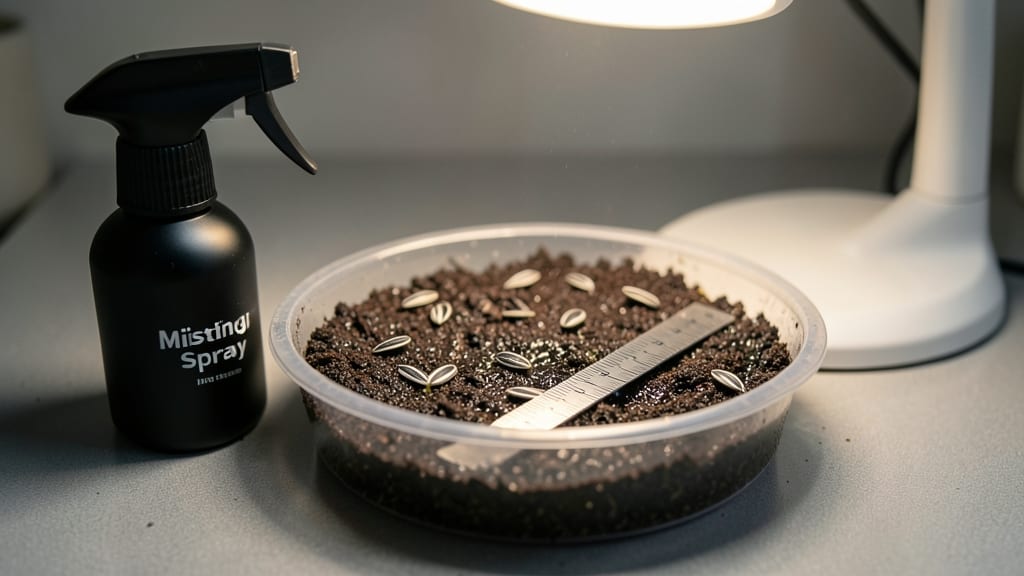
Sunflower seeds don’t actually need light to germinate—you can plant them in the dark soil of spring and still get strong sprouts.
What surprises most gardeners is that these 🌻 seeds can start their life underground, as long as the soil stays moist and warm. The real game-changer comes later, when seedlings need sunlight to grow tall and sturdy.
But if you’re wondering whether to cover them or leave them exposed right away, the answer might not be what you expect.
Germination happens best in consistent moisture and temperatures between 70–90°F, not in direct light. That’s why many gardeners plant them 1 inch deep—deep enough to block light but shallow enough to avoid rot.
Once they sprout, though, you’ll want to thin them and give them plenty of air and sun to prevent leggy, weak stems.
In this guide, I’ll walk you through the best soil conditions, when to expose your seedlings, and even a few tricks for pre-sprouting if you’re impatient. No more guessing whether your seeds need light—just proven steps for a head-start on those towering 🌻 blooms.

Sunflower seed germination: do they need light to sprout?
Sunflower seeds are photoblastic, meaning they require specific light conditions to germinate successfully. Unlike some seeds that sprout in darkness, sunflower seeds need light exposure to trigger the germination process.
This misconception often leads gardeners to bury seeds too deep or plant them in shaded areas, delaying or preventing sprouting entirely.
The key lies in understanding their light dependency—sunflower seeds need just enough light to break through the soil surface. While they don’t need sunlight during germination, they do require light to activate enzymes that kickstart growth. Think of it as a gentle nudge rather than full sun exposure.
Here’s the science: Sunflower seeds have a hard outer shell that blocks moisture from reaching the embryo unless light softens it. This is why shallow planting—just ½ to 1 inch deep—is critical. Too deep, and they’ll struggle to reach light; too shallow, and they may dry out.
| Germination Factor | Requirement | Specification |
|---|---|---|
| Light Dependency | Photoblastic | Needs light to activate germination |
| Soil Depth | Shallow Planting | ½ to 1 inch deep |
| Moisture Level | Consistent | Keep soil damp, not soggy |
| Temperature | Warmth | 60–75°F (15–24°C) ideal |
| Germination Time | Speed | 5–14 days with light |
To test whether your sunflower seeds need light, try this simple experiment: Plant half of your seeds ½ inch deep in a sunny spot and the other half 1 inch deep in a shaded tray.
The shallow, sun-exposed seeds should sprout first, proving light’s role. If both fail, check moisture or temperature instead.
Many gardeners mistakenly believe sunflower seeds can germinate in total darkness, like tomatoes or peppers. However, their hard seed coat requires light to soften before water can penetrate. This is why pre-soaking seeds overnight can help—it mimics the light’s effect by weakening the shell.
For indoor germination, place seeds on a moist paper towel in a sealed bag with indirect light. Check daily for sprouts, which should appear within 3–7 days. Once sprouted, transfer them to soil and ensure they get light immediately to prevent etiolation (weak, leggy growth).
Outdoor planting should occur when soil temperatures reach 55°F (13°C) or warmer. Use a seedling heat mat if needed, but avoid covering seeds with soil deeper than 1 inch. If you’re planting in cooler climates, start seeds indoors under grow lights for 12–14 hours daily.
Leggy seedlings are a clear sign of light deficiency. If your sunflowers stretch toward light with thin stems and small leaves, they’re begging for more exposure. Rotate trays daily to ensure even growth and supplement with LED grow lights if natural light is insufficient.
Remember, sunflowers are fast growers, but their early stages are delicate. Balancing light, moisture, and warmth is key. Once they’ve sprouted, they’ll thrive in full sun (6+ hours daily), but their germination phase demands precision—especially that first light touch.
Best soil conditions for sunflower germination without light exposure
Sunflower seeds (Helianthus annuus) are surprisingly adaptable—they can germinate without direct light, though their success depends heavily on soil conditions. When planting in low-light or covered environments, focus on moisture, warmth, and proper depth to bypass light dependency.
This method works well for indoor starts or early spring planting before soil warms naturally.
For optimal germination, aim for soil temperatures between 70°F and 90°F—sunflowers are heat-loving plants that sprout faster in warm conditions. A seedling heat mat set to 75°F can accelerate germination if your environment runs cooler.
Pair this with consistent moisture (not soggy soil) to prevent rot while the seedling breaks through the soil surface.
⚠️ callout warning
Sunflower seeds do not need light to germinate, but they do need oxygen. Overwatering in covered containers creates anaerobic conditions, suffocating seeds. Keep soil moist but not waterlogged—test by squeezing a handful: water should drip out, not pool.
Pro Tip: Use a spray bottle for gentle watering instead of flooding trays.
Plant seeds 1 inch deep in loose, well-draining soil mixed with compost or coconut coir for better moisture retention. A 50/50 blend of potting mix and perlite works well to prevent compaction.
Avoid heavy clay soils, which can trap excess moisture and hinder root development during the critical 5-10 day germination window.
Alternative methods like paper towel sprouting work for sunflowers in dark conditions. Place seeds between damp paper towels in a sealed plastic bag at 75°F. Check daily for sprouts—once roots appear (3-5 days), transplant immediately into soil.
This bypasses light needs entirely but requires close monitoring to avoid fungal growth.
Common mistakes include planting seeds too deep (over 1.5 inches) or using cold soil below 60°F, which delays or prevents germination. If starting indoors, use grow lights only after the first true leaves appear—this prevents etiolation (weak, leggy seedlings) while still allowing early growth without full sun.
Once seedlings emerge, gradually introduce light over 3-5 days to harden them. Direct sunlight can scorch tender new leaves if transitioned too quickly. For outdoor planting, wait until soil temperatures stabilize above 60°F and nighttime temps stay above 50°F to ensure survival.