
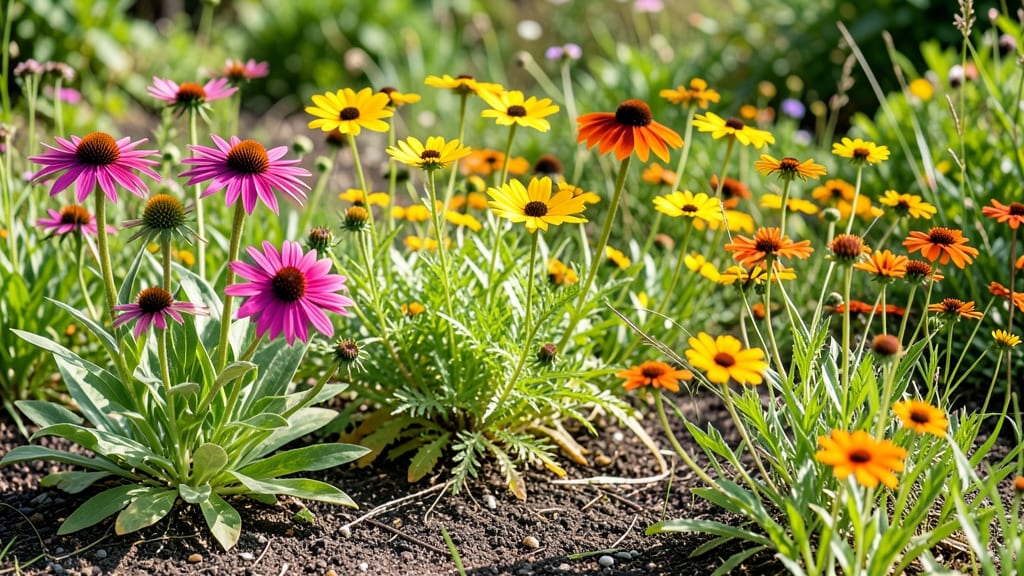
Do Wildflowers Need Full Sun: Shade-Tolerant Varieties That Still Bloom Brilliantly

Flowers

Do Wildflowers Need Full Sun: Shade-Tolerant Varieties That Still Bloom Brilliantly

Wildflowers need full sun to thrive in most cases, but some varieties actually flourish in partial or even full shade—breaking the rulebook for sun-loving blooms.

Struggling to make your 🌼 wildflower garden thrive in shady spots? Many gardeners assume full sun is a must—but some wildflowers not only survive but flourish in partial or even full shade.

The key is knowing which varieties to choose and how to create the right conditions for them to shine.

Think shade means no blooms? Think again. Certain wildflowers, like foxglove and bleeding heart, are built for cooler, darker corners of your yard. These shade-tolerant stars still deliver vibrant colors and easy-care beauty without needing six hours of direct sunlight.

In this guide, I’ll walk you through the best shade-friendly wildflowers, how to prep your soil for success, and practical tips to keep your garden blooming—even in the shadiest spots. Let’s redefine what “full sun” really means for your wildflower dreams.

🌤️ Wildflowers Light Tolerance
🌑
Deep Shade
🌥️
Low Light
Partial
🌤️
Bright
☀️
Full Sun

Shade-tolerant wildflowers that bloom without full sun exposure

You don’t need a sun-drenched meadow to grow stunning wildflowers! While many wildflowers thrive in full sun, several varieties actually prefer shade or tolerate partial shade beautifully. These shade-loving wildflowers bring color and life to woodland edges, understory gardens, and even north-facing yards where sunlight is limited.

Let’s explore my top picks that prove wildflowers can bloom brilliantly without 6+ hours of sun.

Shade-tolerant wildflowers often have delicate foliage and vibrant blooms that thrive in 2-6 hours of filtered light or even full shade. They’re perfect for adding texture and color to areas where sun-loving plants would struggle.

Whether you’re working with a shady patio, forest garden, or urban courtyard, these varieties will reward you with seasonal blooms and minimal fuss.

Below is a curated list of 12+ shade-tolerant wildflowers that defy the sun rule while still delivering vibrant colors and long bloom times. Each variety is chosen for its adaptability to partial shade or full shade conditions, along with their ideal growing conditions and bloom seasons.

Wildflower Shade Tolerance Bloom Time Height Best For
Virginia Bluebells Full shade to partial shade Spring (April–May) 1–2 ft Woodland gardens, borders
Bloodroot Partial to full shade Early spring (March–April) 6–12 in Shady borders, wildflower meadows
Coral Bells (Heuchera) Full shade to partial shade Summer (June–August) 1–2 ft Container gardens, shade beds
Lungwort (Pulmonaria) Partial to full shade Early spring (March–April) 1–2 ft Moist shade gardens
Japanese Painted Fern Full shade Summer (June–September) 1–2 ft Shady woodland areas
Columbine (Aquilegia) Partial shade to sun Spring to summer (April–July) 1–3 ft Rock gardens, borders
Foamflower (Tiarella) Full to partial shade

How to create a thriving wildflower garden in shady areas

You don’t need a sun-drenched spot to grow a stunning wildflower garden! While many wildflowers love full sun, shade-tolerant varieties can thrive—and even outperform—under trees or in north-facing beds.

The key lies in soil prep, watering strategies, and choosing the right companions to support their growth without direct sunlight.

First, focus on moist, well-draining soil enriched with organic matter like compost. Shade-loving wildflowers often prefer higher humidity and cooler roots, so mulch heavily with shredded leaves or bark to retain moisture and suppress weeds. This mimics their natural woodland habitats where they often grow.

🌿 5 Essential Steps for Shady Wildflower Success

  1. 1. Test and amend soil: Aim for pH 6.0–7.0 and add compost to improve drainage.
  2. 2. Plant in layers: Combine tall perennials (like Joe Pye Weed) with ground covers (e.g., Creeping Phlox) for visual depth.
  3. 3. Water deeply but less often: 1–2 inches per week encourages deeper root growth in low-light conditions.
  4. 4. Use shade-tolerant companions: Pair wildflowers with ferns or hostas to create a balanced microclimate.
  5. 5. Prune spent blooms: Deadhead regularly to redirect energy to root systems and extend the blooming season.

For watering schedules, prioritize mornings to reduce fungal risks from prolonged leaf moisture. Shade-tolerant wildflowers like Virginia Bluebells or Bloodroot often need consistent moisture during their first growing season, but once established, they’ll tolerate drier conditions.

Adjust your watering routine based on rainfall—drought stress is a bigger threat than overwatering in shaded beds.

Seasonal care is critical in shady gardens. In spring, apply a light fertilizer (5-10-10) to boost early growth, but skip fertilizing in summer to prevent leggy stems. In fall, mulch heavily to insulate roots during winter dormancy.

Avoid heavy-handed pruning—shade-loving wildflowers often bloom on older stems, so trim only dead or damaged foliage.

Don’t overlook companion planting to enhance your shady wildflower garden. Astilbe and Columbine pair beautifully with shade-tolerant grasses like Carex, creating texture and movement. These combinations also attract pollinators like butterflies and bees, which are drawn to the nectar-rich blooms even in low-light conditions.

With the right approach, your shady garden can become a year-round haven for wildflowers and wildlife. Start small with 3–5 shade-tolerant varieties, experiment with soil amendments, and observe how your plants respond. Soon, you’ll have a vibrant, low-maintenance oasis that proves wildflowers don’t need full sun to shine.

★★★★★4.5(7 reviews)
Categories Flowers