
Flowers
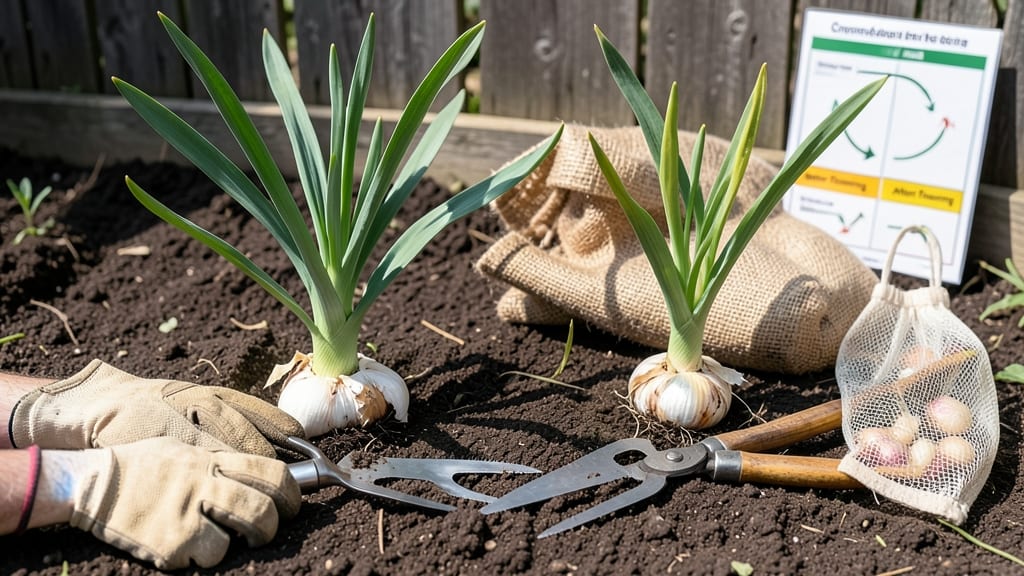
Harvesting garlic before or after it flowers determines whether you end up with large, flavorful bulbs or small, pungent cloves—so timing matters more than you might think.
Picture this: you’ve spent months nurturing your 🧄 garlic, only to watch the flower stalks (scapes) emerge. Do you snip them off to boost bulb size, or let nature take its course? The answer depends on your garlic type and what you prioritize—storage life, flavor, or sheer size.
Hardneck varieties, like the ones thriving in USDA Zone 6a, produce scapes that signal it’s time to decide. Remove them to delay flowering and grow bigger bulbs, but wait too long, and you risk shriveling.
Softnecks, on the other hand, don’t flower at all—so their harvest timing hinges on leaf browning alone.
Below, I’ll break down the exact signs to watch for—from leaf color to bulb firmness—and how to adjust your harvest window for maximum yield, whether you’re growing for fresh use or long-term storage.


When to harvest garlic based on flowering stage: hardneck vs. softneck differences
Garlic’s flowering stage is the single most important factor in determining harvest timing. Unlike softneck varieties, hardneck garlic produces scapes—those curly flower stalks—that signal bulb maturity.
Understanding this difference ensures you harvest at the peak of flavor and size, not too early (small bulbs) or too late (shriveled cloves). The key lies in leaf browning patterns and variety-specific growth cycles.
For hardneck garlic, scapes emerge in late spring, redirecting energy away from bulb growth. Removing them can delay flowering and increase bulb size, but only if you wait for the right leaf color cues.
Meanwhile, softneck garlic never produces scapes and relies solely on leaf browning to indicate readiness. Both types require 50-60% lower leaves browned before harvest, but the timing window shifts based on whether you’ve removed scapes.
| Garlic Type | Flowering Behavior | Recommended Harvest Window | Bulb Maturity Indicator | Storage Potential |
|---|---|---|---|---|
| Hardneck | Produces scapes (flower stalks) | 2-4 weeks after scapes emerge (or remove scapes to delay flowering) | 50-60% lower leaves browned | Short-term (fresh use) or braided for long-term |
| Softneck | No scapes (non-flowering) | When 50-60% of lower leaves brown | Bulbs firm but not shriveled | Best for long-term storage (6+ months) |
The science behind scapes explains why hardneck garlic behaves differently. When scapes emerge, the plant diverts energy to flowering instead of bulb development. Removing them forces the garlic to focus on bulb growth, but you must wait longer—until 60% of leaves brown—for larger cloves.
In contrast, softneck garlic never flowers, so its maturity depends entirely on leaf color and bulb firmness.
Climate plays a critical role in harvest timing. In cooler regions (USDA zones 3-5), garlic matures 2-3 weeks later than in warmer zones (6-8). Soil temperatures below 50°F (10°C) slow bulb development, while heat above 85°F (29°C) accelerates it.
Always adjust your harvest window based on your local last frost date and seasonal variations.
One common mistake is harvesting based solely on scape emergence. While scapes signal flowering, they don’t indicate bulb readiness. For hardnecks, wait 2-4 weeks after scapes appear (or remove scapes and wait for 60% browning) to ensure bulbs are fully developed.
Softnecks, lacking scapes, rely entirely on leaf color cues—harvest when half the lower leaves turn brown.
Bulb maturity isn’t just about leaf color—it’s also about firmness and neck thickness. A ready-to-harvest bulb should feel solid when squeezed through the soil, with a thick, woody neck.
Thin necks mean immature garlic, while overly thick necks signal overripeness. Test a few bulbs by gently digging one up to check their readiness before committing to a full harvest.
Regional growing conditions can shift harvest timing by up to 3 weeks. In Pacific Northwest climates, garlic often matures in late June to early July, while Southern gardeners may harvest as early as mid-May.
Pay attention to your local microclimate—urban areas with heat islands may mature garlic faster than rural zones.
If you’re unsure whether to harvest, prioritize leaf browning over scapes. For hardnecks, scapes are a secondary indicator—the real signal is 50-60% brown leaves. Softnecks have no scapes to guide you, making leaf color the only reliable metric.
Harvesting too early results in small, pungent cloves, while waiting too long leads to shriveled, mold-prone bulbs.
For maximum bulb size, remove hardneck scapes as they emerge and wait for 60% leaf browning. This trade-off delays harvest but yields larger cloves. Softneck garlic, however, benefits from earlier harvests (50% browning) to preserve storage quality.
Always cure harvested garlic in a dry, shaded area for 2-3 weeks before storage to prevent mold and extend shelf life.
🌱
How to tell if your garlic is ready to harvest: visual and tactile checks
Timing your garlic harvest correctly ensures you enjoy plump, flavorful bulbs instead of shriveled, pungent cloves. The key lies in understanding how flowering (scapes) and leaf browning interact with bulb maturity.
Unlike many vegetables, garlic’s readiness isn’t just about days in the ground—it’s about visual and tactile cues that tell you when to act.
Most gardeners make the mistake of waiting too long, assuming more time equals bigger bulbs. In reality, overripe garlic shrinks and develops a harsh flavor. The sweet spot?
When 50-60% of lower leaves turn brown while the bulb remains firm. This balance ensures maximum size without sacrificing storage potential or taste.
-
1
Leaf Browning (The Gold Standard)
Aim for 50-60% of lower leaves browned (not yellow or green). Hardnecks: If scapes are removed, wait until ~60% browning for larger bulbs. Softnecks: Harvest when bottom leaves crisp but tops remain green. -
2
Bulb Firmness Test
Gently squeeze the bulb through the soil—it should feel firm but not rock-hard. If it’s mushy, harvest immediately (overripe); if too soft, wait 1-2 weeks. -
3
Neck Thickness
The stem (neck) should be thick and woody (not thin or hollow). Thin necks = immature garlic; overly thick = overripe. -
4
Scape Status (Hardnecks Only)
With scapes: Harvest 2-4 weeks after scape emergence for balanced growth. Without scapes (removed): Wait until 50-60% browning (bulbs may be slightly larger). -
5
Weather Window
Harvest on a dry, sunny day (2-3 days before rain) to prevent mold. Avoid harvesting during prolonged wet periods (increases rot risk).
Don’t let the flowering scapes fool you into thinking your garlic is ready. Hardneck varieties often produce these stalks, but removing them can actually increase bulb size by redirecting energy.
If you leave scapes intact, harvest 2-4 weeks after they appear—this gives the bulb time to mature while the plant still supports flowering.
For softneck garlic, which doesn’t produce scapes, focus solely on the leaf browning pattern. The ideal moment arrives when the bottom leaves turn crispy brown while the top leaves remain green.
This stage guarantees bulbs that store well and pack maximum flavor. Pro tip: Use a small garden fork to gently probe the soil—if the bulb feels firm and lifts easily, it’s harvest-ready.
Once you’ve confirmed readiness, act quickly! Harvest on a dry, sunny morning to allow bulbs to dry properly. Lay them in a shaded, well-ventilated area for 2-3 weeks to cure.
This step is non-negotiable—proper curing prevents mold and extends storage life. With these visual and tactile checks, you’ll never miss the perfect harvest window again.