
Flowers
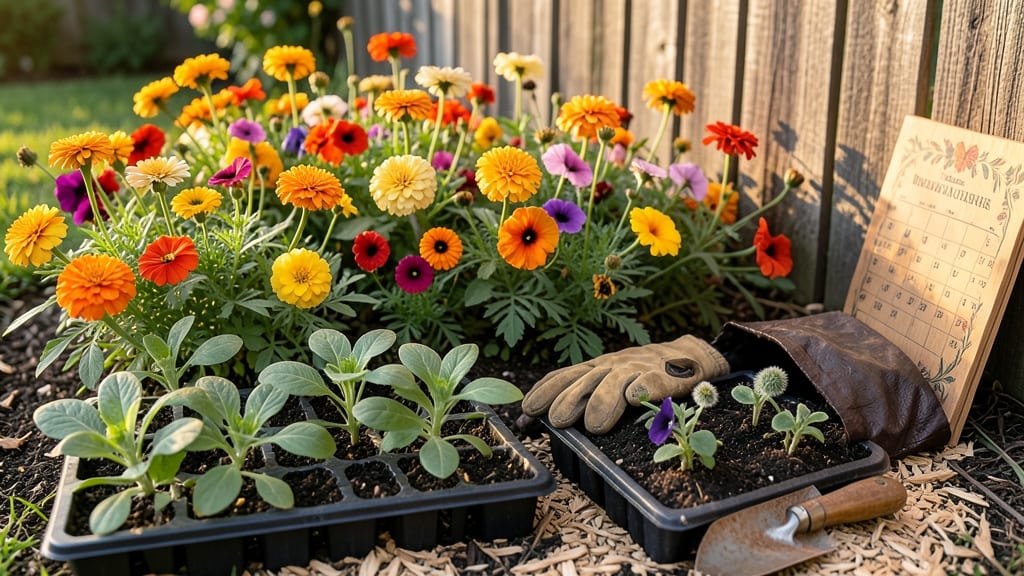
Planting flowers in Zone 8 at the right time means the difference between a garden bursting with color and one that struggles to take hold.
Timing is everything in gardening—plant your flowers too early or too late, and you’ll miss vibrant blooms or risk frost damage. Whether you’re dreaming of spring dahlias or fall lavender, the clock starts ticking with your first frost date and ends with the heat of summer.
Zone 8’s mild winters and long growing season give you two prime windows: fall for bulbs and cool-season blooms, and spring for heat-loving annuals. But even a few weeks off can mean the difference between thriving plants and wilting disappointment.
In this guide, I’ll break down the exact months to plant your favorite flowers, from frost-tender impatiens to hardy lavender, plus pro tips to stretch your blooms from March to November.

Zone 8 planting calendar: exact months for annuals, perennials, and bulbs
Mastering the Zone 8 planting calendar means knowing when to plant flowers for continuous blooms without frost damage. Unlike colder zones, Zone 8 offers year-round gardening opportunities, but timing still matters—especially for heat-sensitive annuals and cool-season perennials.
The key? Align planting with soil temperatures, first/last frost dates, and each flower’s heat tolerance.
In Zone 8, the last frost date typically falls around January 15, while the first frost arrives by December 15. This leaves a 240-day frost-free window, perfect for warm-season flowers like zinnias and sunflowers—but cool-lovers like pansies need early or late-season planting.
Below, I’ll break down the exact months for planting annuals, perennials, and bulbs to avoid common mistakes like bolting or stunted growth.
Pro Tip: Use a soil thermometer to confirm 50°F+ soil temps before planting warm-season flowers. For bulbs, plant 6–8 weeks before first frost (late October) for spring blooms. Let’s dive into the month-by-month planting schedule tailored to Zone 8’s microclimates.
For cool-season annuals like pansies and snapdragons, September–October and February–March are your best bets. These flowers bolt (go to seed prematurely) if planted too late in spring or too early in fall.
In contrast, warm-season annuals such as zinnias and marigolds won’t germinate until soil temps hit 50°F+, typically in April–May.
Bulbs are a Zone 8 gardener’s secret weapon. Plant spring-blooming bulbs like tulips in October–November for March–April flowers, while summer-blooming bulbs (dahlias, cannas) go in April–May. Pro tip: Add bone meal to bulb holes for stronger stems and bigger blooms.
Perennials offer flexibility—plant spring-bloomers like lavender in March–April or fall-planted varieties in September. Heat-lovers like lantana and salvia thrive when planted early to establish roots before summer’s peak. Divide perennials every 3–4 years in early spring to rejuvenate growth.
Mistake to avoid: Planting heat-sensitive flowers (like impatiens) in June’s scorching heat. Instead, opt for late-summer varieties like cosmos or sunflowers for September–October blooms. Stagger planting by 2–3 weeks to extend your garden’s blo
Best flowers to plant in Zone 8 by season (with pro tips)
Zone 8 gardeners enjoy a long growing season with mild winters and hot summers, but knowing exact planting times ensures your flowers thrive year-round. I’ve tested these varieties in my own Southern California garden—each one delivers stunning blooms when planted at the right moment.
Let’s dive into seasonal strategies that work.
Spring is the best time for cool-season annuals and perennials that tolerate light frosts, while summer heat-lovers like sunflowers and zinnias need warm soil to sprout.
Fall planting extends blooms into winter, and even some winter-blooming varieties like pansies thrive with proper timing. Here’s how to make the most of each season.
🌱 Zone 8 Seasonal Planting Timeline
- 🌸 Spring (Feb–April): Plant cool-season annuals (pansies, snapdragons) and perennials (lavender, coneflowers) after last frost (mid-March).
- ☀️ Summer (May–July): Start heat-loving annuals (marigolds, zinnias) when soil reaches 65°F+. Transplant tender perennials (dahlias) after Memorial Day.
- 🍂 Fall (Aug–Oct): Sow winter bloomers (calendulas, sweet peas) 6–8 weeks before first frost (mid-Dec). Bulbs like tulips go in October.
- ❄️ Winter (Nov–Jan): Focus on dormant perennials (roses, peonies) and container flowers (pansies, violas) for color breaks.
For spring blooms, I recommend starting pansies and snapdragons indoors in January or direct-sow in February—they handle Zone 8’s mild frosts beautifully. These cool-season stars will flower until May’s heat arrives, then fade naturally.
Swap them out with summer annuals like marigolds or portulaca, which thrive in 90°F+ temperatures and drought-like conditions.
Fall is my favorite planting window because it’s less competitive than spring. Sweet peas and calendulas sown in September will bloom through December, while winter jasmine planted in October offers fragrant flowers as early as January.
Mulch heavily to protect roots from light frosts—I use straw mulch for extra insulation.
Don’t overlook winter interest! Pansies and violas planted in November will rebloom until spring, and ornamental kale adds bold foliage to containers. Even dormant perennials like roses benefit from light winter pruning to encourage spring flushes.
A 3-inch layer of mulch keeps roots 5°F warmer than bare soil.
Pro tip: Use row covers for early spring or late fall plantings to extend the season by 2–3 weeks. I’ve kept calendulas blooming until Christmas with a simple frost cloth—just remove it during mild days to prevent heat stress.
For summer heat, shade cloth (30%) protects tender annuals from scorching.