
Light Requirements
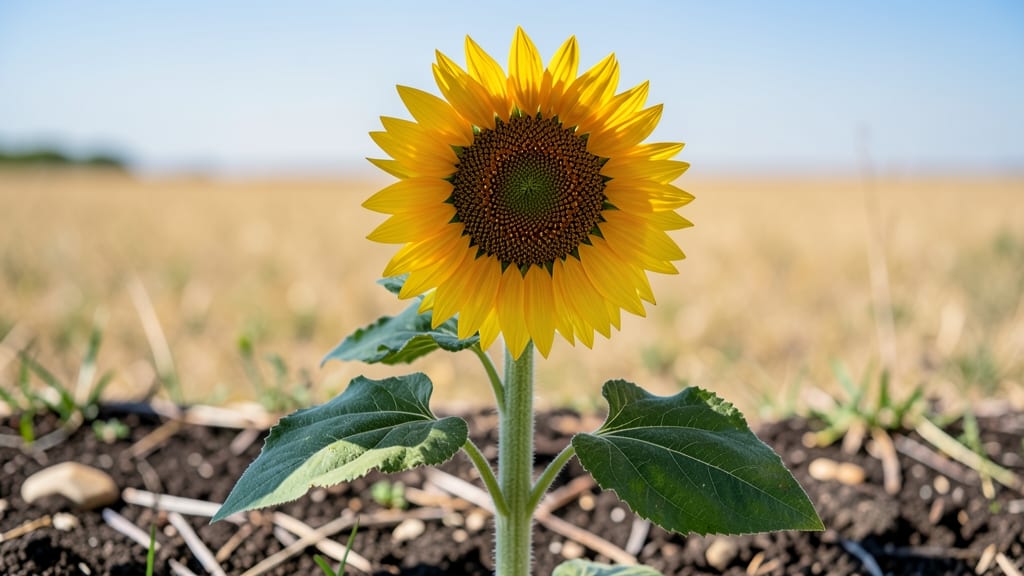
Sunflowers need sunlight to grow tall and strong, with at least 6 hours of direct light daily for their signature towering stems and vibrant blooms.
Picture this: a 10-foot-tall sunflower 🌻 stretching toward the sky, its petals basking in golden rays—until a sudden shade move turns it into a leggy, sad shadow of itself. That’s the power of sunlight for these sun-loving plants.
Native to open fields and prairies, sunflowers thrive where the sun shines brightest. Without enough light, they’ll stretch awkwardly, produce fewer blooms, and may even fail to flower altogether. It’s not just about aesthetics; sunlight fuels their growth, turning simple seeds into the giants we admire.
In this guide, I’ll break down exactly how much sun sunflowers need, what happens when they don’t get enough, and how to place them in your garden for maximum growth. Whether you’re a beginner or a seasoned gardener, these tips will help your sunflowers reach their full potential.

How much sunlight do sunflowers need for optimal growth?
Sunflowers are heliotropic plants, meaning they follow the sun's movement throughout the day. This natural behavior highlights their critical need for sunlight—without it, their growth and flowering will suffer dramatically.
In their native habitats, sunflowers thrive under open skies with minimal obstruction, receiving 8-12 hours of direct sunlight daily. Mimicking these conditions in your garden is key to cultivating healthy, vibrant plants.
While sunflowers can tolerate partial shade, especially in hot climates, their photosynthesis efficiency drops significantly when light exposure falls below 6 hours per day. This reduction leads to weaker stems, smaller blooms, and lower seed production.
Understanding how sunlight needs vary by growth stage will help you position your sunflowers for success, whether in a backyard garden or container setup.
| Growth Stage | Minimum Sunlight Requirement | Optimal Sunlight | Consequences of Insufficient Light |
|---|---|---|---|
| Seedling (0-4 weeks) | 4-6 hours | 6-8 hours (morning sun preferred) | Leggy growth, weak stems, slow germination |
| Vegetative (4-8 weeks) | 6 hours | 8-10 hours (full sun) | Stunted growth, pale leaves, fewer side branches |
| Flowering (8-12 weeks) | 6-8 hours | 10+ hours (direct afternoon sun) | Delayed blooming, small flowers, poor seed development |
| Maturity (12+ weeks) | 5-6 hours | 6-8 hours (maintains seed quality) | Reduced seed yield, hollow stems, early senescence |
During the seedling stage, young sunflowers need gentle morning sunlight to prevent overheating, but they still require at least 4-6 hours daily. In my experience, starting seeds indoors under grow lights for 12-14 hours per day gives them a strong head start before transplanting.
Once outdoors, place seedlings in a south-facing location where they'll receive unobstructed sunlight from mid-morning to early afternoon.
The vegetative stage is when sunflowers demand the most sunlight—8-10 hours daily—to develop strong stems and ample foliage. This is also when their photosynthetic efficiency peaks, allowing them to convert sunlight into energy for rapid growth.
I’ve noticed that sunflowers planted in partial shade during this stage often produce fewer side branches, which reduces their overall yield. For container growers, rotate pots every few days to ensure even light exposure on all sides.
When sunflowers enter the flowering stage, their sunlight requirements remain high, but the quality of light matters just as much as quantity. Direct afternoon sun (especially between 2 PM and 5 PM) is crucial for bloom development and pollination success.
In my garden, I’ve seen delayed blooming in sunflowers that received only morning sun, as the afternoon shade prevented proper flower maturation. If you’re growing sunflowers in northern climates, consider using reflective surfaces like white walls or mulch to bounce extra light onto plants.
At maturity, sunflowers can tolerate slightly less sunlight—around 5-6 hours daily—but this is only because their primary growth phase is complete. However, reduced light at this stage still impacts seed quality and yield.
For example, sunflowers grown under partial shade during maturity often produce smaller, lighter seeds with lower oil content. If you’re harvesting seeds for culinary or bird feeding, prioritize full sun exposure even in the later stages.
Shade stress in sunflowers manifests in several ways, and recognizing these early warning signs can save your plants. When sunlight drops below 6 hours daily, sunflowers develop long, spindly stems (a condition called etiolation) as they stretch toward any available light.
Their leaves may also turn pale yellow or pale green, indicating chlorophyll deficiency. In extreme cases, sunflowers may fail to bolt (produce flower stalks) entirely, leaving you with nothing but foliage. To prevent these issues, I recommend monitoring sunlight exposure weekly and adjusting plant placement as needed.
If your sunflowers are already showing signs of light deprivation, don’t despair—there are corrective actions you can take. For
Signs of sunlight deficiency in sunflowers and how to fix them
Sunflowers are sun-worshippers by nature, and when they don’t get enough light, they’ll send you clear distress signals. The first clue is often leggy, weak stems that stretch desperately toward any available light source.
This happens because your sunflower is starving for energy and growing tall just to reach the sun—like a kid standing on tiptoes to see over a crowd.
Next, check the leaves. Sunflowers deprived of sunlight often develop pale, yellowing foliage (a condition called chlorosis) or leaves that are smaller than normal. In extreme cases, the leaves might even curve inward or appear thin and papery.
These are all signs your plant is struggling to photosynthesize efficiently, which is its way of making energy from sunlight.
🚨 callout-warning
Without 6+ hours of sunlight daily, sunflowers enter survival mode, prioritizing stem growth over blooms. Here’s what happens:
- No flowers or tiny buds that never open
- Stems grow weak and may flop over from poor structural support
- Leaves turn yellow or drop prematurely due to nutrient deficiencies
Another red flag is delayed or absent flowering. Sunflowers need sunlight to trigger their flowering hormones, so if your plant is taking forever to bloom—or never produces flowers at all—it’s likely light-deprived.
Even if buds form, they may fail to open or stay green and underdeveloped. This is your sunflower’s way of saying, “I need more light to shine!”
If you notice stunted growth (plants staying under 3 feet tall when they should be 6+ feet), that’s another sunlight deficiency symptom. Sunflowers are fast growers when happy, so slow growth is a major warning sign.
Combine this with dark green or purple-tinged stems, and you’ve got a plant that’s desperately seeking light.
Fixing sunlight deficiency starts with relocating your sunflowers. Move them to the sunniest spot in your garden, ideally where they’ll get 6-8+ hours of direct sunlight daily.
If your garden lacks space, consider pruning nearby shade-casting plants or even removing them temporarily to give your sunflowers room to bask. For container-grown sunflowers, place them on a south-facing patio or balcony where they can soak up rays.
If relocating isn’t an option, try pruning strategically. Trim the top 1-2 inches of leggy stems to encourage bushier growth and redirect energy to leaf and flower production. This won’t replace sunlight, but it can improve your sunflower’s structure while you work on a permanent fix.
For severe cases, consider transplanting to a sunnier location—just be gentle to avoid shocking the roots.
Finally, rotate your sunflowers if they’re growing near tall structures or trees that cast moving shadows. Even partial shade (like 3-4 hours of sun) can stunt their growth. Give them a full-sun environment, and you’ll see taller stems, bigger blooms, and healthier foliage within weeks.
With the right light, your sunflowers will reach their full potential—and you’ll be rewarded with those iconic golden faces turning toward the sky. 🌻