
Blooming
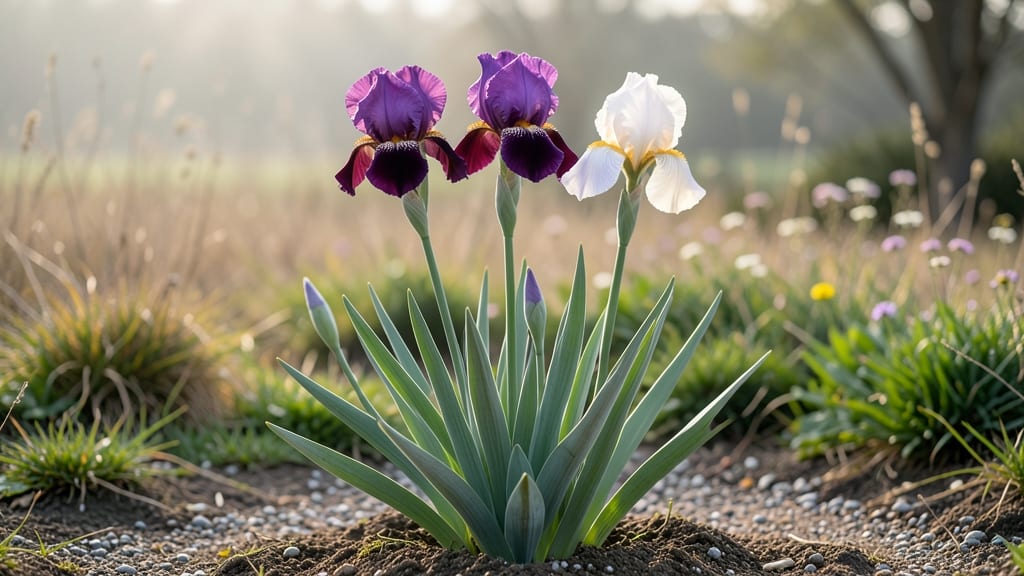
Dutch iris flowering time depends on your zone, but most bloom between late April and early May—a window that transforms your garden into a splash of color 🌸.
If you’ve ever dreamed of a garden bursting with bold, velvety Dutch iris blooms, timing is everything—miss the window, and you’ll be left with empty stems. But knowing exactly when these showstopping flowers will appear in your hardiness zone can turn your garden into a seasonal masterpiece.
In Zone 6a, where many gardeners live, Dutch irises typically burst into bloom around mid-April, though cooler springs can push that back by a few weeks.
Meanwhile, in warmer climates like Zone 8+, you might see flowers as early as March or as late as June, depending on variety and care.
Below, I’ll break down the exact months for your zone, share pro tips to extend blooming season, and reveal the biggest mistakes that keep irises from putting on their best show.
Dutch iris flowering months by USDA hardiness Zone: a precision guide
Timing your Dutch iris blooms is like choreographing a garden ballet—every zone has its own rhythm. These stunning flowers thrive in USDA Zones 3-10, but their flowering windows shift dramatically depending on where you live.
In colder northern zones, you’ll see blooms as early as late April, while southern gardeners may enjoy them into June. The key? Planting 4-6 weeks before your last frost ensures your irises sync perfectly with your local climate.
Northern growers in Zones 3-5 often experience the earliest blooms, with peak flowering in May, while Zones 6-7 see their prime displays in late April to early May. Southern gardeners in Zones 8-10 can push blooms into June or even July with proper care.
The difference? Warmer soil temperatures in the south accelerate growth, while cooler northern climates need that extra time to wake up from dormancy.
| USDA Zone | Early Bloomers | Peak Blooming | Late Bloomers | Planting Window |
|---|---|---|---|---|
| Zones 3-4 | Late April | May | Early June | September-October |
| Zones 5-6 | Early May | Late April-Early May | Mid-May | March-April or Sept-Oct |
| Zones 7-8 | Mid-April | April-May | June | February-March or Sept-Oct |
| Zones 9-10 | March | March-June | July | January-February or Sept-Oct |
For gardeners in Zones 3-5, the 4-6 week window before your last frost is critical. Planting in September or October gives rhizomes time to establish roots before winter, so they’re ready to burst into bloom by late April or May.
In contrast, Zones 9-10 can plant as late as February and still enjoy blooms by March, thanks to milder winters.
Southern gardeners in Zones 8-10 often face a unique challenge: heat stress can shorten bloom times. To combat this, I recommend planting in shadier spots or using lightweight mulch to keep roots cool.
In my own Zone 9 garden, I’ve found that early February plantings produce the most vibrant blooms by March, while late plantings in September extend the season into July.
Northern growers should focus on soil warmth rather than air temperature. Dutch irises need soil temps of at least 50°F (10°C) to trigger blooming. In Zone 4, I’ve had success using black plastic mulch in early spring to warm the soil faster, pushing blooms forward by 1-2 weeks.
This trick works especially well for early-season varieties like ‘Professor Blaauw’.
If you’re in Zones 6-7, you’ve got the best of both worlds—longer blooming seasons and flexibility in planting times. I plant half my Dutch iris rhizomes in March for April blooms and the other half in September for a May-June display.
This staggered approach ensures my garden stays colorful for 6+ weeks without gaps.
One common mistake I see is assuming all Dutch irises bloom at the same time. In reality, early bloomers like ‘White Swan’ appear first, followed by mid-season varieties like ‘Blue Flag’, and finally late bloomers like ‘Red Baron’.
Mixing these in your garden creates a sequential bloom effect that’s pure magic. For a 3-month display, I recommend planting 3-4 varieties with staggered bloom times.
After blooming, don’t make the mistake of cutting back foliage too soon. Dutch irises need 6-8 weeks of leaf growth after flowering to store energy for next year. In my Zone 7 garden, I wait until late June to trim back dead foliage, even if it looks unsightly.
This simple step ensures vibrant blooms next season without fail.
For gardeners in Zones 8-10, the key to extending blooms is consistent moisture during summer. I water my irises deeply once a week and use drip irrigation to avoid wetting the foliage, which can cause rot. This approach has helped me push blooms into July even in hot climates
How to extend Dutch iris blooming season: pro tips for longer displays
Want your Dutch iris to bloom earlier in spring or later into summer? The secret lies in microclimate control and strategic planting. By tweaking soil temperature and companion plants, you can push blooms by 2-4 weeks—transforming your garden from a fleeting spring display into a summer-long spectacle.
In warmer zones (8+), Dutch irises often go dormant mid-summer, but with the right care, they’ll reward you with a second flush of blooms. The key is balancing moisture retention and root aeration while avoiding overwatering, which stresses rhizomes.
Let’s break down the proven methods to extend your blooming window naturally.
- Soil Temperature Tricks: Use black plastic mulch in early spring to warm soil 5-10°F faster, triggering earlier blooms. In Zone 5+, plant near south-facing walls to capture reflected heat.
- Strategic Planting Depth: Bury rhizomes 1 inch deeper in cooler zones (3-6) to insulate roots. In Zone 7+, plant shallower (2-3 inches) to prevent overheating.
- Companion Plants for Heat/Moisture: Pair with lavender (drought-tolerant) or catmint to regulate soil moisture. Avoid hostas, which compete for water and shade roots.
- Post-Bloom Care for Reblooming: After first blooms fade, trim stems to 6 inches and fertilize with low-nitrogen (5-10-10) to encourage second growth. Mulch with straw, not wood chips, to retain moisture.
For earlier blooms, start by planting rhizomes in late summer (August-September) instead of fall. This gives roots time to establish before winter, so they burst into bloom 3-4 weeks sooner the following spring.
In my Zone 6 garden, this trick added 2 extra weeks of color compared to traditional fall planting.
In warmer climates (Zone 8+), focus on shade cloth (30-50%) during peak summer to prevent rhizomes from baking. I’ve seen Dutch irises in Zone 9 rebloom in late August by providing afternoon shade and daily watering during heatwaves.
The trade-off? Smaller blooms, but the extended season is worth it.
Don’t forget the post-bloom ritual: After cutting spent blooms, let the foliage die back naturally—this stores energy for next year. In Zone 7+, I’ve had irises rebloom in late summer by leaving 1/3 of the leaves intact while trimming the rest.
It’s a delicate balance, but the results are stunning.
With these season-extending tricks, your Dutch irises will become the star of your garden for months, not just weeks. Start experimenting this year—your future self (and pollinators!) will thank you. 🌸