
Shrubs
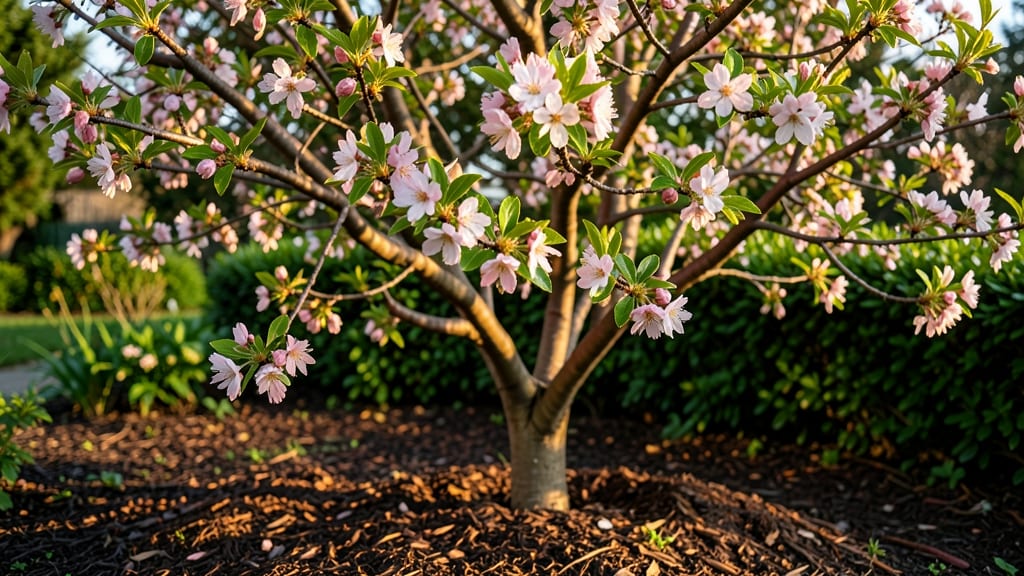
A flowering almond hedge 🌸 thrives with the right pruning schedule—because timing directly impacts those showstopping pink blooms.
Picture this: You’ve waited all winter for your hedge to burst into color, only to realize you pruned too late and missed the season’s best display. That’s why a pruning calendar isn’t just helpful—it’s essential for year-round blooms.
From shaping your hedge in early spring to light trims in summer, I’ll walk you through the exact steps to keep your Prunus triloba lush, healthy, and bursting with fragrance.
By the end, you’ll know when to cut, how much to remove, and the one mistake that could leave your hedge bare for months.
Monthly flowering almond hedge pruning schedule for maximum blooms
A flowering almond hedge (Prunus triloba) rewards you with stunning pink blossoms each spring, but only if you prune it correctly. Unlike other hedges, flowering almonds bloom on old wood, so aggressive pruning can remove next year’s flowers.
My schedule balances shape maintenance, bloom encouragement, and disease prevention—season by season.
Start by understanding your hedge’s growth cycle. Flower buds form in late summer and winter, so avoid heavy pruning during these times. Instead, focus on light shaping and deadheading after blooms fade.
Below, I break down the monthly tasks to keep your hedge thriving and covered in blossoms year after year.
🌸
| Season | Task | Goal | Timing |
|---|---|---|---|
| Winter (Dec-Feb) | Remove dead/diseased wood | Prevent fungal spread | After last frost |
| Early Spring (Mar) | Light shape pruning (10-15%) | Encourage new growth | After blooms fade |
| Late Spring (Apr-May) | Deadhead spent flowers | Redirect energy to foliage | Weekly until June |
| Summer (Jun-Aug) | Minimal tidy-up pruning | Maintain shape only | Remove overgrown branches |
| Fall (Sep-Nov) | Remove weak growth for next year | Prepare for bud formation | Before first frost |
Winter is your hedge’s dormant season, making it the best time for clean-up pruning. Remove any dead, diseased, or crossing branches to improve airflow and reduce pest risks.
Use sharp, sterilized shears to make clean cuts just above a bud or branch collar. Avoid heavy pruning—this is when your hedge sets next year’s flower buds.
Once spring arrives, your hedge will burst into pink blossoms—a sight worth protecting. After the flowers fade in March or April, give your hedge a light shape-up. Prune no more than 10-15% of the foliage to avoid stressing the plant.
Focus on opening up the center for better airflow and sunlight penetration, which keeps the hedge healthy and blooming.
🌿
Deadheading—removing spent flowers—is a critical summer task to prevent seed formation and redirect the plant’s energy into new growth and next year’s blooms. Pinch off faded blossoms weekly until June, using your fingers or small pruners.
This step ensures your hedge stays lush and vibrant rather than putting energy into seed production.
Summer is all about maintenance, not major pruning. If you notice overgrown branches or uneven growth, trim them back lightly to maintain your hedge’s desired shape.
Avoid heavy pruning during this season, as it can stunt flowering for the following year. Instead, focus on watering deeply and mulching to keep the soil moist and cool.
☀️
Fall is the time to prepare for winter and next year’s blooms. Remove any weak or leggy growth that didn’t thrive during the summer. This thinning-out encourages stronger bud formation for spring.
Stop pruning by late October to allow the hedge to harden off before the first frost. Apply a 2-3 inch layer of mulch around the base to insulate roots and retain moisture.
For young hedges (under 3 years old), prune even lighter—just enough to encourage bushiness. Avoid heavy cuts that can damage the plant’s structure. If your hedge is overgrown or neglected, you’ll need to renew it gradually over 2-3 years to avoid shocking the plant.
Always step back and visualize the final shape before making cuts.
🪴
Pro tip: Use disinfectant on your pruning tools between cuts to prevent disease spread. A quick wipe with rubbing alcohol or a 10% bleach solution keeps your tools clean and safe.
Also, prune on a dry, overcast day to reduce stress on the plant and minimize sunburn from fresh cuts.
By following this seasonal pruning schedule, your flowering almond hedge will reward you with abundant blooms for years to
5 Common pruning mistakes that kill flowering almond hedges (and how to Fix them)
Your flowering almond hedge could be silently screaming for help—yet you might not realize it’s your pruning habits causing the damage. These ornamental shrubs thrive on precision, and even small mistakes can mean fewer pink blossoms next spring.
Let’s uncover the silent killers and how to revive your hedge before it’s too late.
First, the most devastating error is pruning at the wrong time. Cutting back in late summer or fall removes next year’s flower buds, leaving you with bare branches. Even worse, over-pruning weakens the plant’s structure, making it vulnerable to pests and disease.
I’ve seen hedges reduced to skeletal frames after aggressive trims—don’t let yours become a cautionary tale.
⚠️ callout warning
- ❌ Pruning after mid-summer removes next year’s blooms
- ❌ Using dull or dirty tools causes jagged cuts that invite disease
- ❌ Cutting into old wood prevents new growth and flowering
- ❌ Ignoring dead branches lets pests and fungi take over
- ❌ Pruning in wet conditions spreads bacterial infections
Fix these issues immediately—your hedge’s future blooms depend on it!
Let’s tackle the first mistake head-on: pruning after flowering. While it might seem logical to trim once the blooms fade, this is a bloom-killer. The flower buds for next year form right after the current blooms drop.
Instead, wait until late spring or early summer—after the buds for next year’s flowers have set. This small timing shift can double your bloom count!
Another silent destroyer is using the wrong tools. Many gardeners grab their hedge shears without realizing they’re too heavy or dull. For flowering almond hedges, use sharp, bypass pruners for small branches and a handheld hedge trimmer for shaping.
Dull blades crush stems, creating ragged wounds that invite disease. I always clean my tools with rubbing alcohol between cuts to prevent bacterial spread.
Don’t fall into the trap of over-thinning your hedge. While a neat shape is tempting, removing more than 25% of foliage in one session stresses the plant. Instead, prune in stages—remove one-third of the oldest growth each year to encourage new, vibrant shoots.
This method keeps your hedge healthy and lush while maintaining that perfect manicured look.
Finally, neglecting dead branches is a common oversight. Those brown, leafless stems aren’t just unsightly—they’re energy vampires sucking nutrients from your hedge. Remove them immediately by cutting back to the nearest healthy growth.
Pro tip: Disinfect your tools between cuts to prevent spreading any hidden diseases lurking in those dead branches.
Your flowering almond hedge is resilient—with the right pruning habits, it’ll reward you with years of fragrant blooms. Start by correcting these mistakes today, and next spring, you’ll be the envy of the neighborhood with a hedge bursting with pink perfection. 🌸