
Shrubs
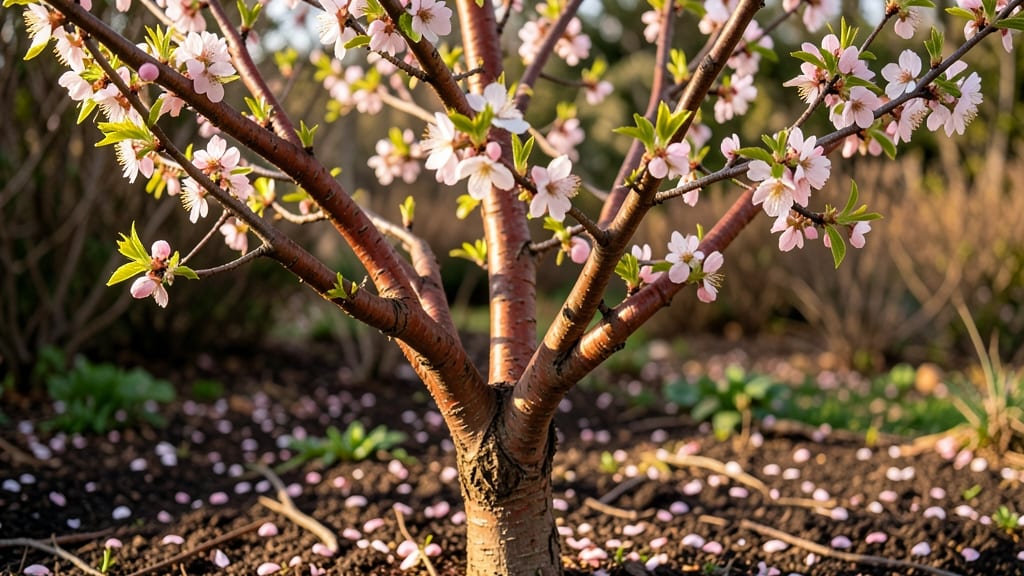
A flowering almond tree grows to a mature size of 10 to 15 feet tall with a spread of 10 to 12 feet—think of it as a medium-sized tree with a generous canopy for spring fragrance.
If you’re dreaming of a fragrant spring garden but worry about a flowering almond tree outgrowing its space, you’re not alone—many gardeners underestimate just how large these stunning trees can become.
This medium-sized shrub (or small tree) thrives in full sun and well-draining soil, making it perfect for landscapes where you want height without overwhelming nearby plants. Varieties like Prunus triloba reach their full size in 5 to 7 years, so planning ahead for spacing is key.
Below, I’ll break down how to choose the right variety for your space, ideal spacing guidelines, and pruning tips to keep it manageable—because even a 15-foot tree can fit beautifully with the right approach.


Mature flowering almond tree size by variety: height, spread & growth habits
Choosing the right flowering almond tree for your landscape starts with understanding their mature height and spread. These trees—like Prunus triloba—can vary dramatically in size, from compact shrub-like forms to towering specimens. If you're planning your garden layout, knowing these dimensions helps avoid overcrowding or wasted space.
I’ve grown several varieties and learned the hard way that Prunus zabeliana can easily reach 20 feet if left unchecked!
Most flowering almonds fall into the medium-sized tree category, typically maturing between 10 and 15 feet tall with a spread of 10 to 12 feet. However, dwarf varieties like Prunus glandulosa stay under 6 feet, making them perfect for small yards or containers.
Your choice depends on your space, sunlight, and how much pruning you’re willing to do.
Below is a detailed comparison of popular varieties, including their mature height, spread, and growth rate. This will help you pick the best fit for your garden’s size and style.
If you’re working with a small garden, Prunus glandulosa is my top recommendation. It stays under 6 feet tall and thrives in containers, making it ideal for patios or balconies.
I planted one in a 15-gallon pot last year, and it’s already blooming beautifully with minimal care. Just ensure it gets full sun and well-draining soil to prevent root rot.
For larger spaces, Prunus zabeliana delivers stunning pink spring blooms but requires more room to spread. I’ve seen it reach 20 feet tall in just 10 years in ideal conditions. If you love dramatic height, this variety is worth the space—just plan for regular pruning to keep it manageable.
A 10-foot clearance above and around the tree is a good rule of thumb.
Growth rates vary widely. Prunus sargentii, for example, grows 2–3 feet per year in the right conditions, while Prunus triloba grows more slowly at 1–2 feet annually.
This means a Prunus sargentii could outpace a Prunus triloba by nearly 50% over five years. Factor this into your timeline if you’re planting multiple varieties.
Ideal spacing for flowering almond trees: how far apart to plant for optimal growth
Flowering almond trees (Prunus triloba and related varieties) are stunning additions to any landscape, but their mature size often surprises gardeners. With proper spacing guidelines, you can ensure these trees thrive without crowding your garden or competing with nearby plants.
The right distance between trees promotes airflow, reduces disease risk, and allows each tree to reach its full potential height of 10–15 feet.
Most flowering almond varieties need 6–10 feet of space between plants, but this can vary based on your climate zone, soil type, and whether you’re planting standard or dwarf varieties.
For example, in USDA Zone 6 or colder, trees may grow more slowly, so slightly closer spacing (5–7 feet) can work. Meanwhile, in warmer zones like Zone 7–9, give them extra room (8–10 feet) to accommodate faster growth.
- Standard varieties: Plant 8–10 feet apart for full growth potential. These trees can reach 12–15 feet tall and spread 10–12 feet wide.
- Dwarf varieties: Space 5–6 feet apart—ideal for small gardens or urban yards. These stay 6–8 feet tall and 5–6 feet wide.
- Soil considerations: In clay-heavy soil, increase spacing to 10 feet to prevent root competition. Well-draining soil allows closer planting (6–8 feet).
- Urban or container planting: Use large containers (24" diameter) and space plants 4–5 feet apart. Prune regularly to maintain size.
- Wind exposure: In windy areas, plant 10–12 feet apart to reduce stress and breakage from heavy blooms.
If you’re working with a small garden or urban yard, consider planting flowering almond trees near a fence or wall to save space. Just ensure the wall is at least 6 feet away to avoid root damage and allow proper airflow.
For container growing, choose dwarf varieties and use well-draining potting mix to mimic outdoor soil conditions.
Another key factor is pruning strategy. Regular pruning can encourage a bushier shape and reduce the need for extra spacing. Thin out crowded branches in late winter or early spring before new growth begins.
This not only manages size but also improves flowering performance by directing energy to blooms rather than dense foliage.
For climate adjustments, remember that flowering almonds thrive in full sun (6–8 hours daily). If your garden receives partial shade, space trees closer (5–6 feet) to compensate for slower growth.
In dry climates, prioritize spacing to reduce competition for water, while in humid areas, wider spacing (8–10 feet) helps prevent fungal diseases.
With the right planting distance and care, your flowering almond trees will reward you with vibrant spring blooms and minimal maintenance. Start by measuring your space, then adjust spacing based on the variety and local conditions to create a fragrant, low-maintenance focal point in your garden. 🌸