
Pruning
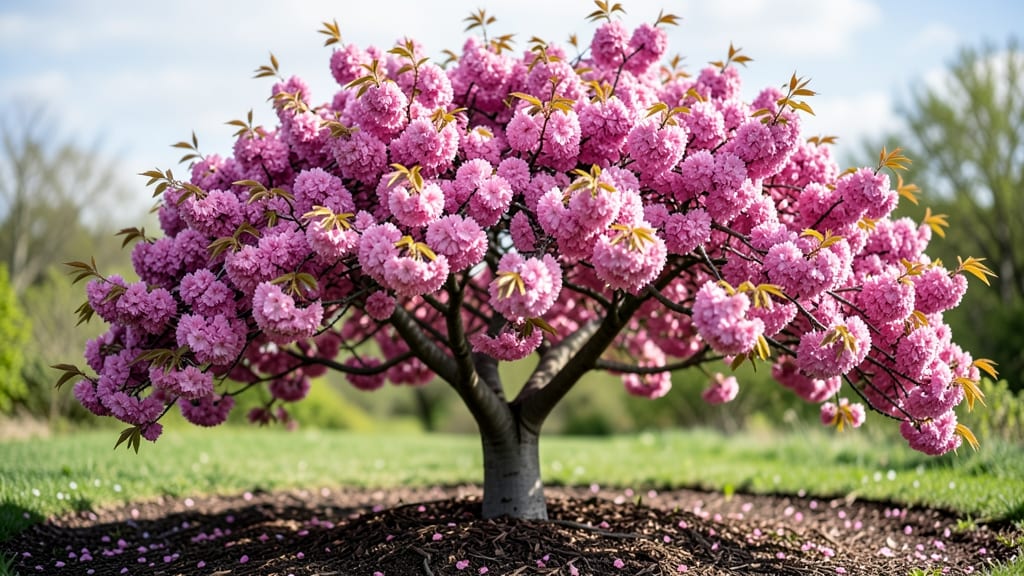
A flowering cherry tree’s lifespan can stretch to 100 years or more with the right care—far longer than most gardeners expect.
Imagine waking up to bursts of pink, white, or pale yellow blossoms every spring, only to wonder how long your 🌸 flowering cherry tree will keep gracing your yard. With proper care, these stunning trees can live for decades, but their lifespan depends on more than just time.
Species like Prunus serrulata often outlive their Prunus avium cousins, while climate, soil quality, and pruning habits play equally big roles. A tree planted in well-draining soil with full sun may thrive for generations, while poor conditions can cut its life short.
Here’s what you need to know to extend your cherry tree’s blooming years—from pruning secrets to signs of aging—so you can enjoy its beauty for as long as possible.
Flowering cherry tree lifespan: how long do they live and what determines it?
Flowering cherry trees (Prunus serrulata and related species) are prized for their spectacular spring blooms, but their lifespan varies dramatically—from 30 years in urban environments to 100+ years with ideal care.
Unlike fruit-bearing cherries, ornamental varieties focus on flowering longevity, which depends on genetics, climate, and maintenance. Understanding these factors helps you nurture a tree that thrives for generations.
Most flowering cherries reach maturity between 10-20 years, but their peak blooming years often last 20-30 years. Some historic specimens, like Japan’s Yoshino cherry trees, exceed 150 years—proving that proper site selection, disease prevention, and pruning extend their lives significantly.
Even in USDA Zones 5-8, where they’re commonly grown, a well-cared-for tree can outlive its original planter.
🌸
| Factor | Impact on Lifespan | How to Optimize |
|---|---|---|
| Species/Variety | 30–50 years (Prunus serrulata) vs. 60–100+ years (Prunus avium hybrids) | Choose disease-resistant cultivars like 'Kanzan' or 'Autumnalis' |
| Climate Zone | Shorter in Zones 5–6 (30–50 yrs); longer in Zones 7–9 (60–100+ yrs) | Plant in microclimates with winter sun exposure |
| Soil Drainage | Poor drainage = root rot = 20–30 year lifespan | Amend clay soil with compost; avoid waterlogged sites |
| Disease Resistance | Susceptible trees live 20–40 years; resistant ones reach 80+ | Prune for airflow; treat powdery mildew early |
| Pruning Practices | Improper pruning = weak structure = 30–50 years | Prune in late winter; remove deadwood annually |
The species you choose is the first determinant of lifespan. Japanese flowering cherries (Prunus serrulata), like the iconic 'Kanzan', typically live 30–50 years, while hybrid varieties (e.g., Prunus × yedoensis) can surpass 80 years.
For example, the 'Autumnalis' cultivar blooms year-round and often outlives standard types by 20+ years due to its disease resistance. Always check the parentage—trees with Prunus avium (sour cherry) genetics tend to be hardier.
Your climate zone plays a critical role. In colder regions (Zones 5–6), flowering cherries may struggle with winter dieback, cutting their lifespan to 30–50 years. In warmer zones (7–9), they thrive for 60–100+ years.
For instance, Southern California’s Yoshino cherries often live 100+ years because they avoid late spring frosts, which can damage blossoms and stress the tree. If you’re in Zone 5, plant on a south-facing slope to reduce cold air pooling.
🌿
Soil conditions directly impact root health, which is non-negotiable for longevity. Flowering cherries hate soggy soil—root rot can kill a tree in 5–10 years. Test your soil’s drainage before planting: dig a 12-inch hole, fill it with water, and time how long it drains. If it takes longer than 6 hours, amend with organic matter (compost or sand). In urban areas, compacted soil is a major issue—mulch heavily (3–4 inches) and aerate annually to prevent suffocation.
Disease pressure is another silent lifespan killer. Powdery mildew, bacterial canker, and silver leaf fungus can reduce a tree’s life by 30–50%. The 'Shirofugen' variety, for example, is prone to mildew and often lives only 40 years without fungicide treatments. To combat this, prune for airflow (remove crossing branches) and apply neem oil in early spring. Resistant varieties like 'Royal Burgundy' can live decades longer with minimal intervention.
Finally, proper planting and maintenance add 20–40 years to a flowering cherry’s life. Plant at the right depth—the graft union should be 2–3 inches above soil level to prevent rot. Stake young trees for the first 2 years to avoid wind damage. Water deeply (10–20 gallons) once a week during the first year, then taper to bi-weekly once established. Fertilize lightly in early spring with a balanced 10-10-10—over-fertilizing leads to weak wood and shorter lifespans.
🪴
One often-overlooked factor is pollination compatibility. While flowering cherries are self-fertile, planting two compatible varieties (e.g., 'Kanzan' + 'Somei-Yoshino') can increase bloom abundance by 30–50%, indirectly extending the tree’s productive years.
Additionally, avoid planting near black walnut trees—their juglone toxin stunts growth and shortens lifespan. If you’re in an urban setting, air pollution (like ozone) can **
Pruning for longevity: when and how to extend your cherry tree’s blooming years
Your flowering cherry tree can live for decades—even over a century—if you prune it correctly. The key is timing and technique. Pruning isn’t just about shaping; it’s about removing dead wood, improving airflow, and encouraging stronger blooms each spring.
Skip this step, and you risk stunted growth, disease, or even a shortened lifespan.
Most gardeners make one of two mistakes: pruning at the wrong time or cutting too aggressively. Late winter (just before buds swell) is ideal, but early spring works too. Avoid pruning in fall or during bloom season—this stresses the tree and weakens next year’s flowers.
Think of it like giving your tree a health checkup before its big spring show.
Step-by-Step Pruning Guide
- 🌿 Step 1: Gather Tools
- Clean, sharp bypass pruners for small branches
- Loppers for thicker branches (½–1½ inches)
- Sterilized saw for large limbs (over 1½ inches)
- Disinfectant (rubbing alcohol) to prevent disease spread
- 🌿 Step 2: Remove Dead/Diseased Wood
- Cut back dead branches to the nearest healthy bud
- Eliminate sick or cracked limbs completely
- Look for mushrooms or holes—signs of rot
- 🌿 Step 3: Thin the Canopy
- Remove crossing branches to improve airflow
- Cut back overlapping limbs by ⅓ of their length
- Aim for an open vase shape for sunlight access
- 🌿 Step 4: Prune for Structure
- Shorten water sprouts (vertical shoots) to ¼ length
- Trim low-hanging branches to raise the canopy
- Never remove more than 25% of foliage in one year
- 🌿 Step 5: Clean Up
- Dispose of pruned debris (don’t compost diseased wood)
- Sterilize tools with rubbing alcohol between cuts
- Apply wound dressing only to large cuts (over 2 inches)
One of the biggest mistakes gardeners make is over-pruning. Never remove more than 25% of the tree’s foliage in a single session. This shocks the tree and can lead to reduced blooms or even death.
Instead, spread pruning over 2–3 years if needed. Think of it like a haircut—you wouldn’t shave your head in one go, right?
After pruning, your tree will need extra care. Water deeply to help it recover, and avoid fertilizing until new growth appears. Young trees (under 5 years) need gentler pruning—focus on shaping rather than heavy cutting.
Older trees can handle more aggressive pruning, but always prioritize health over aesthetics. A well-pruned tree will reward you with vibrant blooms for years to come.
Pro tip: Take photos of your tree before and after pruning. This helps you track progress and spot issues early. With the right technique, your flowering cherry tree could grace your yard for 50+ years—imagine the springtime memories! 🌸