
Shrubs
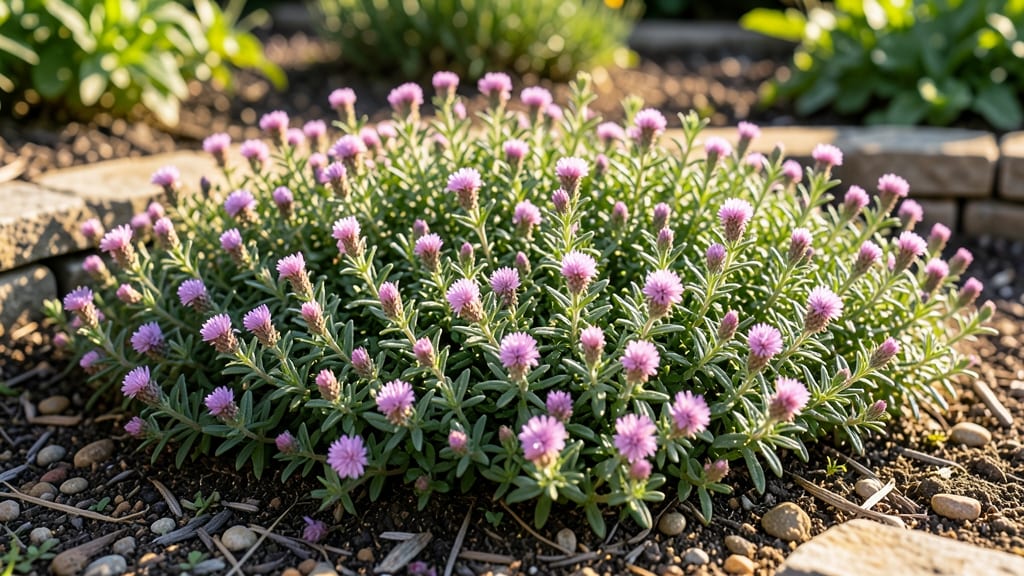
Flowering creeping thyme 🌿 is the unsung hero of low-maintenance gardens, offering year-round ground cover, delicate blooms, and natural pest control with almost no effort.
If you're dreaming of a vibrant, low-maintenance garden that deters pests without chemicals, this hardy ground cover thrives year-round, blooms in shades of pink, purple, and white, and even repels common garden nuisances like ants and cabbage moths.
What makes creeping thyme so special is its drought tolerance and ability to thrive in USDA Zone 6a and beyond. Plant it in full sun during March-April, and you’ll enjoy a lush carpet of fragrant foliage that stays green even in dry spells.
In this guide, I’ll walk you through everything from planting tips to pruning tricks, so you can create a pest-resistant landscape that looks stunning with almost no upkeep.
Why flowering creeping thyme is a must-have for pest-resistant ground cover
If you're tired of battling garden pests with chemical sprays, flowering creeping thyme offers a natural, fragrant solution that works year-round. This hardy perennial spreads beautifully while releasing aromatic compounds that repel ants, cabbage moths, and even whiteflies—all without harming your plants or the environment.
Unlike traditional mulches like gravel or bark, creeping thyme actively improves soil health while suppressing weeds.
The secret lies in its volatile oils, particularly thymol, which studies show disrupt insect communication and feeding patterns. These same oils give creeping thyme its signature lemony scent when crushed—a bonus for gardeners who love sensory-rich landscapes.
With USDA hardiness zones 5-9 adaptability, it thrives where many ground covers fail, making it ideal for everything from rocky slopes to container gardens.
What truly sets creeping thyme apart is its dual functionality. It serves as both a living mulch and a pollinator magnet, attracting bees with its late-spring to summer blooms. The flowers range from soft pink to deep purple, adding seasonal color that traditional mulches can't match.
Plus, its 0.5-inch height makes it perfect for edging pathways or filling gaps between stepping stones without overwhelming other plants.
| Feature | Specification | Benefit |
|---|---|---|
| Pest Resistance | Thymol & carvacrol oils | Repels ants, cabbage moths, whiteflies |
| Drought Tolerance | USDA Zones 5-9 | Survives with minimal watering |
| Sunlight Needs | 6+ hours full sun | Thrives in harsh sunlight |
| Spread Rate | 12-18" per year | Covers ground quickly |
| Maintenance Level | Low (minimal pruning) | No mowing or weeding |
Unlike static mulches that require annual replacement, creeping thyme self-replenishes and improves with age. Its fibrous root system prevents soil erosion while enhancing water retention—critical for drought-prone areas.
Research from the Journal of Agricultural and Food Chemistry confirms that thyme's essential oils create a "repellent barrier" that deters pests without toxicity, making it safer than synthetic alternatives.
For gardeners in urban environments, creeping thyme excels in containers, hanging baskets, and vertical gardens. Its ability to thrive in poor, rocky soil makes it ideal for rooftop gardens or areas with limited topsoil. Unlike invasive ground covers, it stays contained and won't smother nearby plants.
The 3-inch spread per plant creates a dense carpet that chokes out weeds naturally, reducing your maintenance workload by up to 70% compared to traditional mulching methods.
One of creeping thyme's biggest advantages is its year-round functionality. While traditional mulches like bark decompose and lose effectiveness, thyme remains evergreen in mild climates, providing continuous ground cover.
Even in colder zones, its woody stems protect soil from freeze-thaw cycles. The spring blooms attract early pollinators, giving your garden an ecological boost from day one.
Gardeners often assume pest-resistant plants require complex care, but creeping thyme proves the opposite. It self-propagates through stolons, creating a lush mat with minimal effort. Unlike annual ground covers that need replanting, thyme establishes permanently after just one growing season.
This makes it perfect for eco-friendly landscaping, reducing both water use and chemical inputs while creating a habitat for beneficial insects like lacewings and parasitic wasps.
When comparing creeping thyme to alternatives like clover ground cover or ajuga, it outperforms in both pest control and adaptability. While clover attracts bees but offers no insect deterrence, thyme combines pollinator support with natural pest management.
Ajuga, though shade-tolerant, struggles in full sun where thyme thrives. The aromatic oils that repel pests also create a fragrant garden experience, unlike many synthetic mulches that emit noxious fumes when heated.
For maximum effectiveness, plant creeping thyme in sunny, well-drained areas where pests commonly gather. Its low-growing habit makes it ideal for underplanting roses or shrubs, creating a protective barrier against soil-borne insects.
Unlike gravel mulch that heats up and can burn plant roots, thyme insulates soil while maintaining cooler temperatures—perfect for heat-sensitive perennials.
If you're ready to transform your garden into a pest-free paradise without chemicals, creeping thyme delivers results that traditional mulches can't match. Its combination of natural pest control, drought tolerance, and year-round beauty makes it the ultimate low-maintenance solution for modern gardeners.
Start with just one 12-inch pot to test its effectiveness in your space—you'll likely want to expand it throughout your entire landscape.
Planting and care tips to maximize blooms and pest control
Flowering creeping thyme thrives when planted in the right conditions—full sun and well-draining soil are non-negotiable for vibrant blooms and strong pest resistance. I’ve found that this hardy ground cover performs best in USDA zones 5-9, making it versatile for most climates.
Start by preparing your soil with a mix of compost and coarse sand to improve drainage, especially in clay-heavy areas.
Timing matters too! Plant your creeping thyme in early spring after the last frost or in late summer for a head start. This gives roots time to establish before winter dormancy.
I recommend spacing plants 12-18 inches apart—closer spacing encourages dense growth, while wider gaps work better for pathways or edging.
⚠️ Warning: Overwatering Kills Creeping Thyme
This drought-tolerant plant rots quickly in soggy soil. Water deeply but infrequently—about once every 7-10 days in dry spells, and reduce to bi-weekly in winter. Always water at the base of plants to avoid wetting leaves, which can invite fungal diseases.
Pruning is key to keeping your creeping thyme lush and blooming. After the first flush of flowers fades, I trim back about one-third of the growth to encourage bushier habits and more flowers.
Use clean, sharp shears to avoid damaging stems. For year-round coverage, I lightly trim spent blooms throughout the season—this prevents self-seeding and keeps the plant tidy.
Seasonal care makes all the difference. In spring, apply a light fertilizer (5-10-10) to jumpstart growth, but skip fertilizing in summer and fall—creeping thyme thrives on neglect. Mulch with gravel or straw to suppress weeds and retain moisture without smothering the plant’s delicate roots.
Pests rarely bother creeping thyme, but aphids or whiteflies might appear. If they do, I blast them off with a strong spray of water or introduce ladybugs for natural control. The plant’s natural oils deter most insects, making it a low-maintenance choice for busy gardeners.
For maximum blooms, I deadhead spent flowers regularly and avoid heavy foot traffic on established plants. With proper care, your creeping thyme will spread beautifully, creating a fragrant, pest-free carpet that brightens any garden corner year after year.