
Blooming
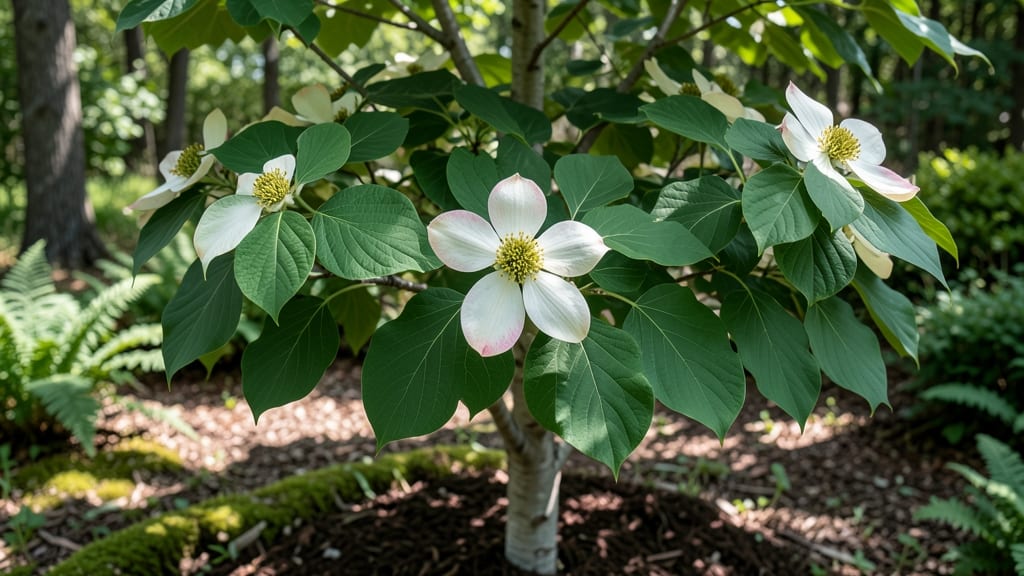
The flowering dogwood bloom you dream of starts with the right planting timing — and getting the zone right makes all the difference for those show-stopping spring displays 🌸.
Picture this: You’ve waited all winter for your dogwood to burst into color, only to find sparse blooms or no flowers at all. The culprit? Planting too late in the season or ignoring your local frost dates.
I’ve seen it happen more times than I can count, and the fix is simpler than you’d think.
Flowering dogwoods thrive in USDA Zone 6a, where early spring or fall planting gives roots time to establish before winter dormancy. The key is choosing the right window—too early, and cold snaps stress young trees; too late, and they struggle to bloom before summer heat sets in.
In this guide, I’ll walk you through the exact planting schedule for your zone, soil prep secrets, and pruning tips to guarantee vibrant, abundant blooms year after year—no guesswork included.
Flowering dogwood planting schedule by USDA zone for optimal spring blooms
The flowering dogwood (Cornus florida) thrives when planted at the right time—timing ensures strong root development before dormancy, leading to vibrant spring blooms. Unlike many trees, dogwoods prefer cool soil temperatures (40-60°F) and moisture-rich conditions during establishment.
Planting too early or late can stress roots, delaying blooms or stunting growth. Let’s break down the perfect planting windows by USDA zone to maximize your tree’s potential.
Your USDA zone determines the ideal planting season—northern climates (zones 3-5) have shorter growing seasons, while southern zones (6-9) offer extended windows. The key is to plant when soil temps are above freezing but before summer heat sets in.
For zones 3-5, aim for early spring (March-April) or early fall (September-October). Southern zones (6-9) can plant until late fall (November), as frost dates are later.
Here’s a zone-specific planting schedule with soil temperature guidelines and frost-free date calculations to ensure your dogwood establishes roots before winter dormancy.
| USDA Zone | Best Planting Window | Soil Temp Range | Frost-Free Days Before Planting | Key Consideration |
|---|---|---|---|---|
| 3-4 | Early spring (April) or early fall (September) | 40-50°F | 30-45 days | Avoid late spring planting—summer drought stress is high. |
| 5 | March-April or September-October | 45-55°F | 45-60 days | Fall planting allows roots to establish before winter. |
| 6 | March-May or September-November | 50-60°F | 60-75 days | Extended fall window reduces transplant shock risk. |
| 7-8 | February-April or October-November | 55-65°F | 75-90 days | Winter rains help root establishment in fall plantings. |
| 9 | January-April or October-December | 60-70°F | 90-105 days | Plant in cool winter months to avoid summer heat stress. |
For northern climates (zones 3-5), I recommend fall planting—roots establish before winter, and the tree emerges stronger in spring. In southern zones (6-9), early spring planting avoids summer heat stress, but fall is also ideal if you’re in a humid climate (like zone 8’s Gulf Coast).
Always check your last frost date—planting 4-6 weeks before ensures roots have time to settle.
Soil temperature is critical: use a soil thermometer to confirm conditions. Dogwoods hate waterlogged soil, so amend heavy clay with compost or sand. Mulch heavily (3-4 inches) after planting to retain moisture and regulate temps.
In zone 9, where winters are mild, you can plant year-round, but avoid extreme heat (above 85°F) or drought.
Pro tip: If you’re in zone 6 or higher, consider container growing for young dogwoods—this lets you move them to ideal spots or protect them from late frosts. Just ensure the pot has drainage holes and use a well-draining potting mix. Transplant container-grown trees anytime soil isn’t frozen.
After planting, water deeply once weekly for the first year, ensuring the root ball stays moist but not soggy. In zone 4, where winters are harsh, add an extra layer of mulch in late fall to insulate roots.
By following these zone-specific guidelines, your dogwood will reward you with
How to choose the perfect location for maximum flowering dogwood blooms
The flowering dogwood thrives when planted in the right spot, where its spring blooms shine brightest. Unlike sun-loving plants, dogwoods prefer partial shade—typically 4-6 hours of morning sun followed by afternoon shade.
This balance prevents leaf scorch while ensuring vibrant pink or white flowers that last weeks. The wrong location? You’ll get weak growth or sparse blooms, no matter how well you care for it.
Beyond sunlight, soil pH and moisture play critical roles. Dogwoods adore acidic soil (pH 4.5–6.0) and well-draining yet consistently moist conditions. Heavy clay or waterlogged spots will stress roots, while sandy soil drains too quickly.
Microclimates matter too—avoid windy areas or spots where cold air pools, as dogwoods are sensitive to late frosts that can damage emerging buds.
Start by evaluating your yard’s sunlight patterns. Walk through potential spots at different times of day—dogwoods in full sun (zones 7–9) may need afternoon shade from nearby trees or structures.
For northern climates (zones 3–6), prioritize locations with morning sun to warm buds faster in spring. Use a sunlight tracker app to map light exposure for a week before deciding.
Next, focus on soil preparation. Dogwoods hate alkaline soil, which locks out essential nutrients like iron. If your soil tests neutral or basic, mix in pine bark fines or composted leaves to lower pH. Amend heavy clay with sand or coconut coir to improve drainage.
A quick fix? Plant in a raised bed with acidic potting mix if your yard’s soil is poor.
Don’t overlook watering access. While dogwoods tolerate brief dry spells, they’ll bloom best with deep, consistent moisture. Install a drip irrigation line near the root zone to avoid surface evaporation.
In container gardens, use self-watering pots with acidic potting mix, but note that dogwoods rarely thrive long-term in containers due to their size.
Finally, observe your yard’s microclimate quirks. Dogwoods planted in low-lying areas may suffer from poor drainage or frost pockets, while those near heat-reflective surfaces (like pavement) can overheat. Ideal spots combine morning sun, protection from afternoon winds, and elevated ground for better drainage.
Test a spot for a week by placing a temporary shade cloth to mimic dogwood needs.
With the right location, your flowering dogwood will reward you with showstopping blooms for decades. The key? Partial shade, acidic soil, and consistent moisture—plus a little patience to let roots establish before expecting peak performance. 🌸