
Flowers
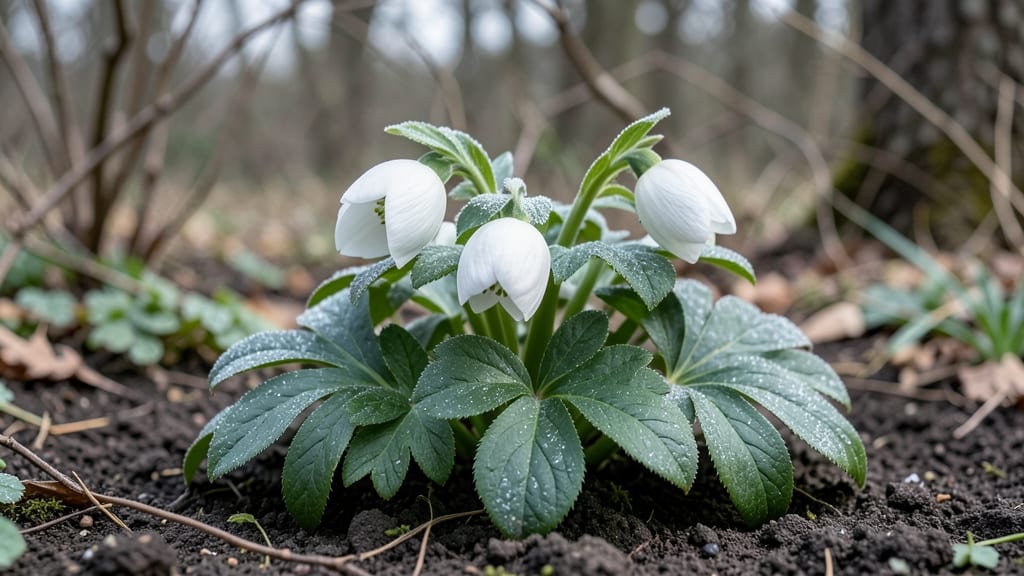
Winter-blooming flowers that bloom in winter outside can turn a frosty yard into a vibrant oasis when most gardens are dormant.
Picture this: snowflakes dusting delicate petals, hardy blooms standing tall against the chill, and colors popping where you least expect them. These aren’t just survivors—they’re stunning stars that prove winter gardens can be just as lively as spring ones.
From hellebores with their nodding bells to winter jasmine cascading like golden threads, these cold-hardy varieties thrive in zones 3 through 9. Whether you’re in a snowy alpine climate or a milder coastal region, the right picks will keep your landscape alive with color from December through March.
Below, I’ll share the top 10 frost-resistant flowers, their care secrets, and how to extend their bloom season—so your winter garden stays as vibrant as a summer border.
Top 10 cold-hardy flowers that bloom in winter outside
Winter gardens can be surprisingly vibrant when you choose the right cold-hardy flowers. These resilient plants thrive in chilly temperatures and frosty conditions, offering stunning blooms when most gardens sleep.
Whether you're in USDA Zone 4 or Zone 8, these winter-blooming flowers will keep your landscape colorful year-round.
From delicate snowdrops to bold camellias, these flowers not only survive winter but thrive in it. Their ability to bloom in freezing temperatures makes them perfect for gardeners who want to extend their growing season.
Let’s explore the top 10 cold-hardy flowers that will transform your winter garden into a winter wonderland.
Hellebores, also known as Lenten roses, are a winter gardener’s dream. These shade-loving perennials bloom from late winter to early spring, offering delicate white, pink, or purple flowers. They thrive in USDA Zones 4-9 and prefer partial shade, making them ideal for woodland gardens or under trees.
Winter jasmine is another standout, with its bright yellow flowers appearing as early as December. This climbing shrub is perfect for adding a pop of color to fences or trellises. It’s hardy in USDA Zones 5-9 and loves full sun, making it a versatile addition to any winter garden.
Pansies are the cheerful faces of winter gardens, blooming from late fall through early spring. Their vibrant colors—ranging from purple and blue to yellow and orange—bring life to borders and containers. These annuals or biennials thrive in USDA Zones 7-10 and prefer cool temperatures and partial sun.
| Flower | USDA Zones | Bloom Time | Color Spectrum | Sun Needs |
|---|---|---|---|---|
| Hellebores | 4-9 | Late Winter-Early Spring | White, Pink, Purple | Partial Shade |
| Winter Jasmine | 5-9 | December-February | Bright Yellow | Full Sun |
| Pansies | 7-10 | Fall-Spring | Purple, Blue, Yellow, Orange | Partial Sun |
| Snowdrops | 3-9 | Late Winter-Early Spring | White, Greenish | Partial Shade |
| Camellias | 7-9 | Winter-Spring | Pink, Red, White | Partial Shade |
| Winter Aconite | 4-8 | Late Winter | Yellow | Full Sun-Partial Shade |
| Crocuses | 3-8 | Winter-Spring | Purple, White, Yellow |
How to choose and plant winter-blooming flowers for maximum impactWinter gardens can be just as vibrant as spring blooms with the right cold-hardy flowers. The key to success lies in selecting varieties that thrive in chilly temperatures and providing proper care. Start by choosing flowers like hellebores, winter jasmine, or pansies, which naturally resist frost and continue blooming when other plants rest. Before planting, assess your garden’s sun exposure. Most winter-blooming flowers prefer partial shade to protect them from harsh winter winds, but a few, like camellias, tolerate full sun. Observe your yard’s sunlight patterns throughout the day to determine the best spots for each variety.
🌱 Pro Tip for Winter Blooms:
For flowers that bloom in winter outside, prioritize well-draining soil mixed with organic compost. Amend clay soil with sand or peat moss to prevent waterlogging, which can damage roots in cold weather. Test soil pH (ideal range: 6.0-7.0) and adjust with lime or sulfur as needed. Once you’ve chosen your winter flowers and prepared the soil, plant them in early autumn or late winter. Dig holes twice as wide as the root ball and space plants according to their mature size. For example, hellebores should be 12-18 inches apart, while winter jasmine can handle 3-4 feet of space. Mulching is critical for winter blooms. Apply a 3-inch layer of mulch (like shredded bark or straw) around plants after the first frost. This insulates roots, retains moisture, and prevents soil temperature fluctuations. Avoid piling mulch against stems to prevent rot. Extend your winter bloom season with companion planting. Pair shade-tolerant flowers like cyclamen with evergreens to create a layered effect. Use low-growing pansies as edging around taller shrubs to add color without competing for sunlight. Finally, water sparingly but consistently. Winter-blooming flowers need less water than spring varieties, but soil should remain slightly moist. Water in the morning to reduce evaporation and avoid frost damage to wet foliage. |