
Blooming
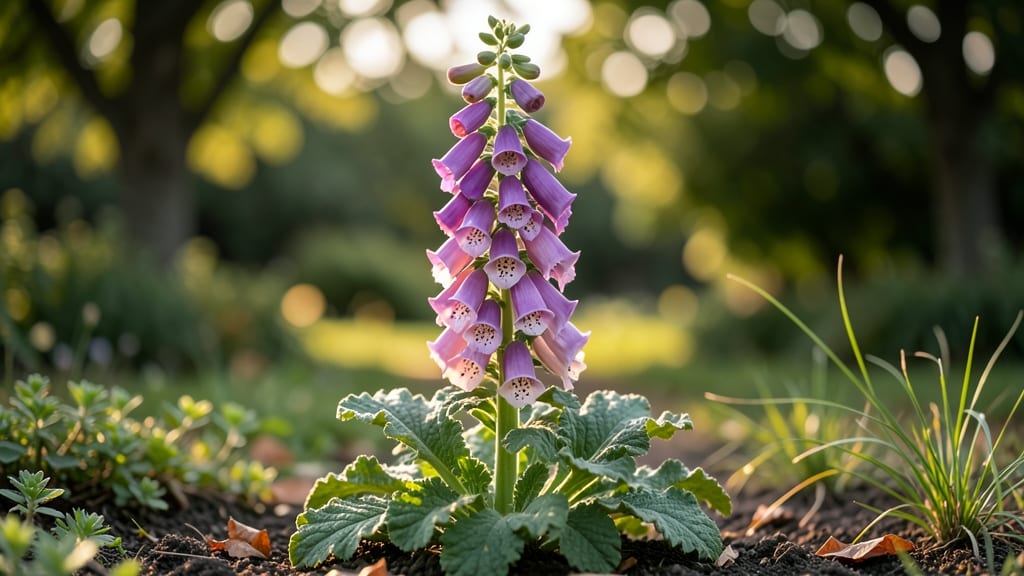
The foxglove flower bloom time is a 3- to 5-month wait from planting to those iconic bell-shaped blooms 🌸 — but timing varies wildly depending on where you live and how you care for them.
If you’ve ever wondered why your foxglove plants sometimes bloom early and other years wait until summer’s peak, the answer lies in understanding their precise bloom windows—and how to optimize them for your climate.
Most gardeners in USDA Zone 6a see their foxgloves open between June and August, but cooler regions can push blooms back by weeks. The key? Planting in March or April after the last frost, choosing the right variety, and giving them the right mix of sun and shade.
In this guide, I’ll break down exactly when to expect those towering spikes of color, how to adjust for your location, and the simple care tricks that can make your foxgloves bloom earlier—or keep them flowering for weeks longer.
Foxglove bloom time by season: when & how long flowers last
Foxglove (Digitalis purpurea) is a biennial or short-lived perennial that typically blooms in its second year, though some varieties may flower in the first year under ideal conditions.
The primary bloom season spans from late spring to early summer, but exact timing depends on your USDA hardiness zone and growing conditions.
In cooler climates (Zones 3-5), blooms often appear as early as May or June, while warmer regions (Zones 6-8) may see flowers from July to August. Understanding these windows helps you plan companion plants and extend the display with proper care.
Each foxglove flower stalk produces 100-200 individual blossoms that open sequentially from the bottom upward, creating a stunning vertical cascade. The duration of individual blooms is short—only 5-7 days per flower—but the entire stalk remains attractive for 4-8 weeks as new blooms replace faded ones.
This staggered opening ensures your garden stays vibrant longer than you might expect. For example, a 6-foot-tall foxglove in full bloom can look like a living chandelier of color.
Regional climate plays a major role in bloom timing. In cooler maritime climates (like the Pacific Northwest), foxgloves often bloom earlier due to milder winters, while hotter inland areas may delay flowering until late summer.
Even within the same zone, microclimates—like a north-facing garden bed—can shift bloom windows by 2-4 weeks. Pay attention to your local last frost date and plant height to predict when blooms will arrive.
Here’s how foxglove bloom times break down by season and region, along with key care tips to optimize flowering:
To extend foxglove bloom periods, focus on three key strategies: consistent moisture, partial shade, and deadheading. Foxgloves thrive in well-draining soil that stays consistently moist but never soggy. During heatwaves, mulch with 2-3 inches of organic matter to retain moisture and protect roots. If your plants receive afternoon sun, provide light shade to prevent wilting, which can shorten the bloom cycle. Deadheading—removing faded flowers—encourages the plant to produce more blooms, sometimes extending the display by 2-3 weeks.
Another way to shift bloom timing is by choosing the right variety. Early bloomers like Digitalis purpurea ‘Pam’s Choice’ often flower in late spring, while late-season varieties such as Digitalis grandiflora may wait until mid-summer.
If you want year-round interest, interplant foxgloves with spring bulbs (daffodils) and summer annuals (cleome) to create a seamless transition. This layered approach ensures your garden stays colorful from April through September.
One common misconception is that foxgloves bloom only once per season. While each stalk flowers just once per year, the plant often produces multiple stalks in its second year, especially if given proper care.
For example, a healthy 3-foot-tall foxglove might produce 3-5 flower stalks over a 6-8 week period, creating a prolonged display. To encourage this, avoid over-fertilizing with nitrogen, which promotes leafy growth at the expense of flowers.
If your foxgloves fail to bloom, check these three factors: light levels, plant age, and soil fertility. Foxgloves need at least 4-6 hours of sunlight daily but prefer morning sun and afternoon shade.
First-year plants focus on leaf and root development, so blooms may not appear until the second growing season. Finally, overly rich soil can delay flowering. Use a balanced 10-10
How to predict foxglove flowering based on plant height & growth stage
Foxglove plants (Digitalis purpurea) are fascinating because their bloom timing is directly tied to their height and growth stage. Unlike many perennials, foxgloves use their first growing season to build sturdy flower stalks, while blooming often occurs in their second year.
Understanding these growth markers lets you forecast blooms with surprising accuracy.
For example, a 2-foot-tall foxglove in its first year likely won’t bloom at all—it’s storing energy for next season’s 4-6 foot showstopper. Meanwhile, a mature plant at 3 feet with thick stalks may bloom as early as mid-June, while taller varieties can wait until July or August.
Let’s break down how to read these clues.
- 🌱 1-2 ft tall: First-year growth—no blooms expected. Focus on leaf count (10+ leaves = healthy stalk).
- 🌿 2-3 ft tall: Second-year plant with thick stalks (1+ inch diameter). Blooms likely in 6-8 weeks if stalks are firm.
- 🌺 3-4 ft tall: Mature plant with multiple flower buds. Expect blooms in 4-6 weeks if buds are visible.
- 🌸 4-6 ft tall: Full maturity—blooms in 3-5 weeks if stalks are upright and leaves are deep green.
💡 Pro Tip: Measure stalk thickness with your thumb—thicker = earlier blooms.
One of the most reliable growth markers is the leaf count. A healthy foxglove stalk typically produces 10-15 large leaves before flowering. If you count 12+ leaves on a 2-foot stalk, it’s likely preparing for next year’s bloom.
Pair this with stalk thickness—1-inch diameter or more means it’s ready to flower within 6-8 weeks.
Regional climate also plays a role. In cooler zones (USDA 3-5), foxgloves may bloom 2-3 weeks later than in warmer zones (USDA 6-8).
For example, my Digitalis grandiflora in Zone 6a blooms in early July, while the same variety in Zone 8 starts as early as late June. Adjust your expectations based on your last frost date—foxgloves need consistent warmth to trigger blooming.
To encourage earlier blooms, provide partial shade (morning sun, afternoon shade) and consistent moisture—never let the soil dry out completely. I’ve found that mulching with compost in early spring jumpstarts growth, often shaving 1-2 weeks off bloom time.
Avoid over-fertilizing, though; too much nitrogen delays flowering by promoting leafy growth over flower stalks.
Finally, watch for bud formation on mature stalks. Once you spot 3-5 buds clustered near the top, count backward: 4-6 weeks until full bloom. This method has helped me plan companion plantings (like lavender or salvia) to extend my garden’s seasonal interest.
With these growth cues, you’ll never be caught off guard by foxglove’s dramatic summer display again! 🌷