
Flowers
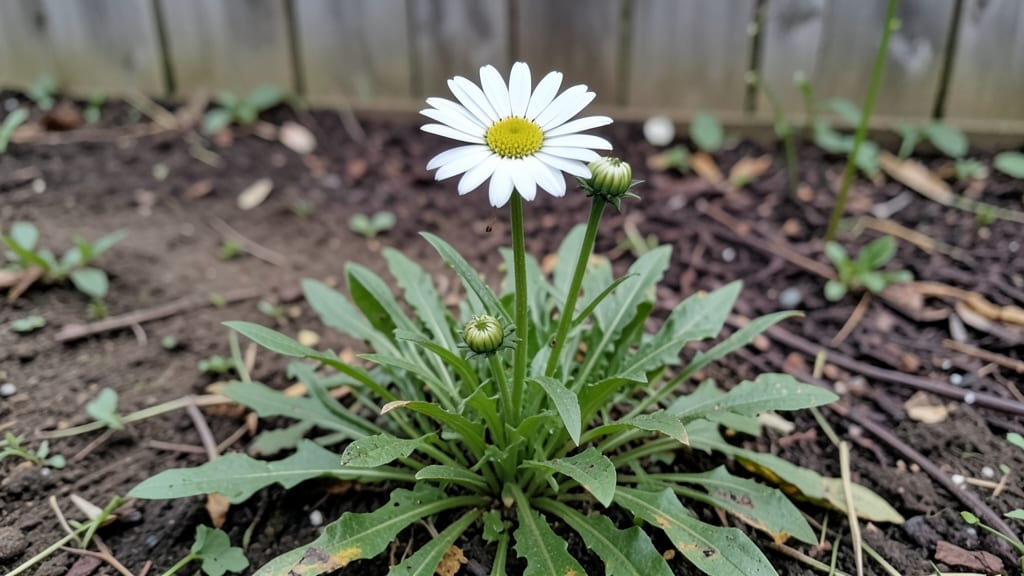
Growing a garden daisy flower 🌼 is the easiest way to fill your yard with bright, cheerful blooms that keep coming back year after year.
Imagine a garden that stays vibrant and colorful all year—without the fuss of high-maintenance flowers. The garden daisy (Bellis perennis) delivers exactly that, with cheerful blooms that thrive in almost any condition.
Whether you’re a beginner or a seasoned gardener, these hardy flowers need just a sunny spot and occasional water to reward you with non-stop blooms from spring to fall.
Below, I’ll walk you through everything you need to know—from planting tips to keeping pests away—so you can enjoy a garden bursting with color with almost no effort.
How to grow garden daisy flowers for continuous year-round blooms
The secret to a garden bursting with garden daisies (Bellis perennis) that bloom from early spring through late fall (and even winter in mild zones) lies in a few simple but critical steps.
These hardy perennials are one of nature's most resilient flowers, thriving with minimal care when given the right conditions. Unlike fussy annuals, garden daisies reward patience with months of cheerful blooms—if you follow their natural rhythms and basic needs.
What makes these daisies so special is their ability to self-seed and regenerate, creating a self-sustaining display year after year. The key to continuous blooms? A combination of proper sunlight exposure, well-draining soil, and a consistent (but not excessive) watering schedule.
Let's break down the exact steps to transform your garden into a daisy-filled paradise that never stops flowering.
Step-by-Step Guide to Year-Round Garden Daisy Blooms
- 1 Choose the Perfect Location: Select a spot with 6+ hours of full sun daily. Garden daisies tolerate partial shade but will produce far fewer blooms. In hot climates, afternoon shade can prevent wilting while maintaining abundant flowering.
- 2 Prepare Well-Draining Soil: Amend your soil with compost or aged manure to improve drainage and fertility. Garden daisies hate soggy roots, so raise beds or add perlite if your native soil is clay-heavy. Aim for a slightly acidic to neutral pH (6.0-7.0).
- 3 Plant at the Right Time: Sow seeds or transplant young plants in early spring (after last frost) or early fall for winter blooms in mild climates. Space plants 6-12 inches apart to allow airflow and prevent fungal diseases.
- 4 Water Deeply but Infrequently: Water early in the morning to reduce evaporation and fungal risks. Aim for 1 inch of water per week, letting the top inch of soil dry between waterings. Drought-tolerant once established, but consistent moisture encourages continuous blooming.
- 5 Fertilize Strategically: Apply a balanced 10-10-10 fertilizer in early spring and again in midsummer. Use 1 tablespoon per plant and water thoroughly afterward. Avoid fall fertilization, as it encourages tender new growth vulnerable to frost.
- 6 Deadhead Regularly: Pinch or cut off spent blooms daily during peak season to trigger new flower production. This simple step extends blooming by 4-6 weeks beyond what nature would provide. Use clean, sharp scissors to avoid damaging stems.
- 7 Mulch for Winter Protection: Apply 2-3 inches of mulch in late fall to insulate roots and retain moisture. Use straw or shredded leaves, keeping mulch 2 inches away from stems to prevent rot. This helps daisies survive winter and bloom earlier in spring.
- 8 Divide Overcrowded Clumps: Every 2-3 years, divide mature plants in early spring to rejuvenate growth. Simply dig up the clump, separate the roots, and replant sections. This prevents bloom decline and spreads your daisy display effortlessly.
One of the most rewarding aspects of growing garden daisies is their ability to self-seed naturally, creating a self-sustaining meadow effect over time. If you notice volunteer seedlings popping up in unexpected spots, consider them a bonus—simply transplant the healthiest
Best garden daisy varieties for different climates and garden styles
Finding the perfect garden daisy variety can transform your outdoor space with minimal effort. These cheerful blooms thrive in USDA zones 3-9, making them ideal for nearly any climate. Whether you love romantic cottage gardens or modern containers, there's a daisy variety to match your vision.
Let's explore the top picks that bring color and texture to different garden styles.
I’ve selected varieties that stand out for their color diversity, hardiness, and adaptability. From classic whites to bold red centers, each type offers unique benefits. For example, 'White Queen' adds elegance to formal borders, while 'Red Heart' brings drama to wildflower meadows.
Let's dive into the details to help you choose the perfect fit for your garden.
Comparison Table: Garden Daisy Varieties
For cottage-style gardens, I recommend 'Painted Lady' or 'Red Heart'—their soft colors and full blooms create a whimsical look. These varieties also attract butterflies and bees, adding life to your garden.
In contrast, 'White Queen' and 'Iceberg' are perfect for structured borders or cutting gardens, thanks to their uniform height and classic appearance.
If you're working with containers or small spaces, 'Tasso' is my top pick. Its compact size and cheerful yellow centers bring instant color without overwhelming your patio.
For wildflower meadows, mix 'Red Heart' with native grasses for a natural, low-maintenance look. These daisies self-seed easily, ensuring continuous blooms year after year.
Don’t forget to consider your climate zone when selecting varieties. For cooler regions (zones 3-5), 'White Queen' and 'Painted Lady' thrive with minimal care. In warmer zones (7-9), 'Red Heart' and 'Tasso' handle heat better and bloom prolifically.
Always check local frost dates to time your planting for the best results.
With these garden daisy varieties, you can create a space that’s as functional as it is beautiful. Whether you're a beginner or a seasoned gardener, these low-maintenance blooms will reward you with year-round color and joy. Start experimenting with different combinations to find your perfect garden style!