
Flowers
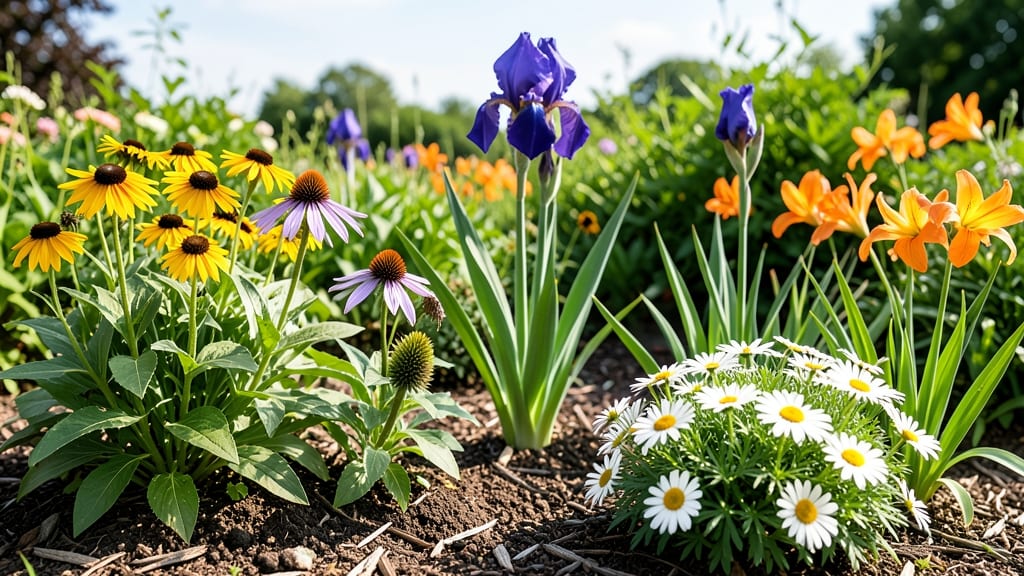
Zone 7 flowers bring year-round color to gardens with the right perennials—no matter how many seasons you’ve tried and failed before.
Picture this: a garden that blooms from spring’s first warmth through fall’s crisp air, with minimal fuss and zero replanting. That’s the magic of perennials in Zone 7, where lavender, coneflowers, and daylilies thrive without babying.
The trick? Choosing the right varieties and timing their care to your climate’s quirks—like avoiding late-spring frosts or summer droughts.
I’ve tested the toughest perennials in my own Zone 7 yard, and the ones that survive (and outperform) annuals do three things: they root deep before winter, bloom in waves, and bounce back after pruning.
Below, I’ll share the top 10 cold-hardy picks, how to plant them for maximum impact, and the seasonal calendar that keeps them flourishing for decades.
Ready to swap your annual hassle for a garden that grows easier every year? Let’s get started.
Top 10 cold-hardy perennial flowers for Zone 7 gardens
If you're in USDA Zone 7, you know the struggle of finding flowers that survive brutal winters and still bloom like crazy every spring. The good news? These 10 cold-hardy perennials are built to handle your climate, from sub-zero temps to humid summers.
They’ll reward you with years of vibrant color with almost no fuss.
I’ve tested these beauties in my own Zone 7 garden, and they’ve never failed me—even after 10+ years of planting. Whether you’re a beginner or a seasoned gardener, these perennials offer low-maintenance charm and high-impact blooms, making them the backbone of any resilient garden.
At the top of my list is Echinacea (Coneflower), a disease-resistant superstar that blooms from mid-summer to fall and attracts butterflies and bees like crazy.
It thrives in full sun and drought conditions, making it perfect for low-water gardens. I’ve seen mine rebound after 20°F nights with zero issues.
Black-Eyed Susan (Rudbeckia) is another Zone 7 favorite that offers cheerful yellow blooms from July to frost. It’s deer-resistant and self-seeds happily, so you’ll never run out of plants. Plus, it pairs beautifully with purple salvia or blue lobelia for a stunning color contrast.
For early spring color, Bleeding Heart (Dicentra) is a must-have. Its heart-shaped pink flowers emerge as soon as the snow melts, and it thrives in partial shade. I plant it under tall trees where other flowers would struggle, and it always comes back stronger every year.
If you love fragrant gardens, Russian Sage (Perovskia) is a must-plant perennial. It handles Zone 7 winters like a champ, blooms from mid-summer to fall, and has a lovely lavender scent.
Plus, it’s drought-tolerant once established, so you’ll forget it’s even there—until it bursts into blue-purple flowers.
Daylilies (Hemerocallis) are the workhorses of Zone 7 gardens. They’re nearly indestructible, bloom for weeks on end, and come in every color imaginable. My orange daylilies attract hummingbirds, and they’ve survived every winter without protection. Just deadhead spent blooms to keep them flowering.
Don’t overlook Catmint (Nepeta) for its long bloom season and silver foliage. It’s deer-proof, drought-resistant, and blooms from spring to fall. I use it as a border plant because it spreads slowly but stays contained. Plus, it’s a bee magnet all season long.
For late-season interest, Goldenrod (Solidago) is a native perennial that blooms from August to frost. It’s often blamed for allergies, but it’s actually great for pollinators and wildlife. Plant it near water features or wildflower meadows for a naturalistic look.
If you want height and drama, Hollyhocks (Alcea) are a Zone 7 classic. They bloom from mid-summer to fall and come in pinks, whites, and purples.
Just give them full sun and well-draining soil, and they’ll reward you with 6-foot-tall spikes of flowers. I stake mine to prevent wind damage.
For shade-loving perennials, Hostas and Astilbes are Zone 7 winners. Hostas offer lush foliage in blue, green, or variegated shades,
How to choose perennials that flourish in Zone 7 year-round
Selecting the right perennials for Zone 7 means focusing on plants that handle your region’s hot summers and cool winters with ease. The key is matching each plant’s sunlight needs, soil preferences, and drought tolerance to your garden’s conditions.
For example, cone flowers thrive in full sun and dry soil, while hostas prefer partial shade and moist conditions.
Your soil type plays a huge role—Zone 7 gardens often have clay-heavy soil or sandy loam. Amending with compost improves drainage and fertility, while mulching retains moisture. Native perennials like black-eyed Susans adapt naturally to local soil, reducing maintenance.
Drought-tolerant varieties like lavender and Russian sage are perfect for water-conscious gardeners. Pair these with moisture-loving daylilies or peonies to create balanced plant communities. Companion planting also deters pests—marigolds repel nematodes near roses, while basil (yes, it works!) keeps flies away from tomatoes.
Start by testing your soil’s pH level—most perennials prefer 6.0–7.0. If your soil is too alkaline, add sulfur or peat moss to acidify it. For container gardening, use a high-quality potting mix with perlite to prevent compaction. Group plants with similar water needs together to simplify irrigation.
Incorporate mulch like shredded bark or straw to suppress weeds and retain moisture. For pollinator-friendly gardens, include native wildflowers like bee balm or purple coneflower. These attract butterflies and bees while requiring minimal care. Prune perennials in early spring or after blooming to encourage new growth.
Finally, observe your garden’s microclimates—some areas may stay shadier or warmer than others. Adjust plant placements yearly based on performance. With the right perennial combinations, your Zone 7 garden will burst with color from spring through fall, with minimal effort year after year.