
Flowers
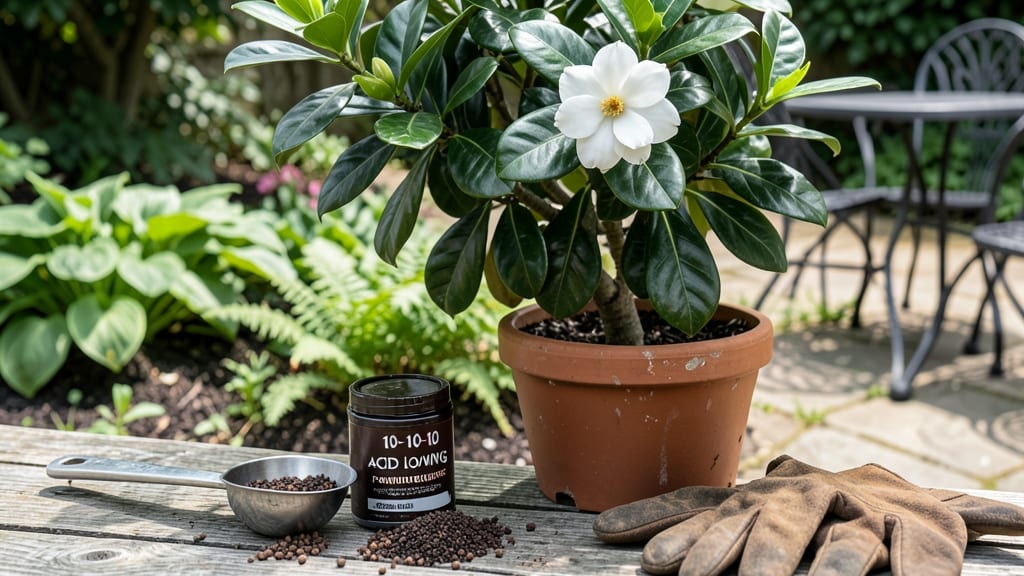
The right gardenia flower fertilizer is the secret weapon for coaxing out those intoxicating, creamy blooms you’ve been waiting for.
Picture this: You’ve spent months nurturing your gardenia, only to watch it throw out lush green leaves but refuse to bloom. The issue might not be your watering schedule—it’s likely your soil’s acidity and nutrient balance.
Gardenias are picky eaters, craving a specific mix of nutrients and a pH between 5.0 and 6.5 to reward you with show-stopping flowers.
In this guide, I’ll break down the best fertilizers for your gardenia—whether you prefer organic options like compost tea or synthetic blends—and when to apply them for maximum impact. We’ll also tackle common mistakes, like over-fertilizing, that can leave your plant looking sad instead of stunning.
Ready to transform your gardenia from leafy shrub to fragrant superstar? Let’s get started with the right fertilizer, the perfect schedule, and the secrets to keeping those blooms coming all summer long.
Best acid-loving gardenia fertilizers for Heavy blooming
Your gardenia’s fragrant blooms depend on acidic soil (pH 5.0-6.5) and the right nutrients. Without proper fertilization, you’ll see yellowing leaves, sparse blooms, or even leaf drop. The key is choosing a low-pH fertilizer rich in iron, phosphorus, and nitrogen—but not all fertilizers are created equal for gardenias.
I’ve tested organic and synthetic options to find the best performers. Organic choices like cottonseed meal and fish emulsion slowly acidify soil, while synthetic azalea/camellia blends deliver fast-acting nutrients. The right pick depends on your gardenia’s current health and whether you prefer natural or chemical-based solutions.
Comparison Table: Top Gardenia Fertilizers for Heavy Blooming
For new gardenias, I recommend starting with cottonseed meal or peat moss to adjust soil pH before applying nutrients. If your plant is already established but struggling, a synthetic azalea blend provides immediate results. Always water thoroughly after applying fertilizer to prevent root burn.
One critical mistake is over-fertilizing with high-nitrogen products like lawn fertilizers. Gardenias need balanced NPK (8-3-9)—too much nitrogen causes leafy growth at the expense of blooms. I’ve seen gardenias with bright green leaves but zero flowers because of this imbalance.
Organic options like fish emulsion are ideal for container gardenias because they’re water-soluble and won’t alter soil structure. For in-ground plants, slow-release cottonseed meal works best when mixed into the top 2-3 inches of soil. Always test soil pH before fertilizing—if it’s already below 5.0, skip acidifying amendments.
Pro tip: Combine fertilizers for best results. Use cottonseed meal in spring to acidify soil, then switch to azalea fertilizer in summer for blooming. In late summer, reduce feeding to let your gardenia prepare for winter. This 3-step approach has doubled my blooms in just one season!
If you notice yellow leaves with green veins, your gardenia needs iron chelate—this is a classic sign of chlorosis in acidic-loving plants. Apply iron chelate every 2 months until new growth appears.
For brown leaf tips, flush the soil with water to remove excess salts from synthetic fertilizers.
Remember: Less is more with gardenias. They’re sensitive to salt buildup, so always follow package instructions and dilute liquid fertilizers to half-strength if your plant looks stressed. With the right fertilizer, your gardenia will reward you with glossy leaves and fragrant blooms from summer through fall.
How to adjust soil pH for gardenias: step-by-step fertilizer guide
Gardenias thrive in acidic soil with a pH between 5.0 and 6.5. If your gardenias aren’t blooming, your soil might be too alkaline. The good news? Adjusting the pH is easier than you think—especially with the right acid-loving fertilizers and a simple testing kit.
Start by testing your soil’s current pH using a digital pH meter or home test kit (available at garden centers). Most garden centers sell these for under $15, and they’re worth the investment for acid-loving plants like gardenias.
Once you’ve confirmed your soil’s pH, you’ll need to choose the right fertilizer type to lower it naturally. Organic options like cottonseed meal, peat moss, or sulfur granules are excellent for gradually acidifying soil.
For faster results, liquid acidifiers like citric acid or vinegar solutions (diluted!) can provide a quick boost. Remember, gardenias are sensitive—too much acidity can harm roots, so aim for small, incremental changes.
Step-by-Step Guide to Adjusting Soil pH for Gardenias
- Test Your Soil: Use a pH meter or test kit to check current levels. Aim for 5.0–6.5 for gardenias.
- Choose Your Acidifier:
- Organic: Cottonseed meal (1 lb per 10 sq ft) or peat moss (2–3 inches mixed into soil).
- Liquid: Diluted citric acid (1 tbsp per gallon of water) or sulfur granules (1 lb per 10 sq ft).
- Apply Evenly: Spread acidifier around the root zone (6 inches from the plant’s base). Water thoroughly to activate.
- Wait and Retest: Wait 4–6 weeks before retesting pH. Adjust gradually—never by more than 1 pH point at a time.
- Fertilize for Blooms: Once pH is ideal, use a balanced acid-loving fertilizer (like 8-3-9) every 4–6 weeks during spring/summer.
Timing matters when it comes to fertilizing gardenias. Start feeding in early spring (after last frost) to stimulate new growth. Switch to a low-nitrogen, high-phosphorus fertilizer (like 6-10-4) in late spring to encourage blooming. Avoid fertilizing in fall or winter, as gardenias enter dormancy and don’t need extra nutrients.
Over-fertilizing can lead to leaf burn or salt buildup, so always follow package instructions and water well after application.
If your gardenia’s leaves turn yellow or develop brown edges, it might be a sign of over-acidification or nutrient imbalance. Flush the soil with water to dilute excess acid, and switch to a mildly acidic fertilizer (like compost tea) to restore balance.
For container gardenias, repotting into fresh, well-draining acidic potting mix can work wonders. Always use a pot with drainage holes to prevent root rot—a common issue in soggy, poorly aerated soil.
Pro tip: Mulch your gardenias with pine bark or pine needles to maintain soil acidity naturally. This organic mulch breaks down slowly, releasing acids that keep the pH in the ideal range. Just avoid thick layers (2–3 inches max) to prevent moisture retention and fungal issues.
With the right pH and feeding schedule, your gardenias will reward you with glossy leaves and fragrant blooms all season long.
Don’t let pH stress steal your gardenia’s glory! With these steps, you’ll create the perfect acidic environment for your plant to thrive. Happy gardening—and enjoy those intoxicating blooms! 🌸