
Blooming
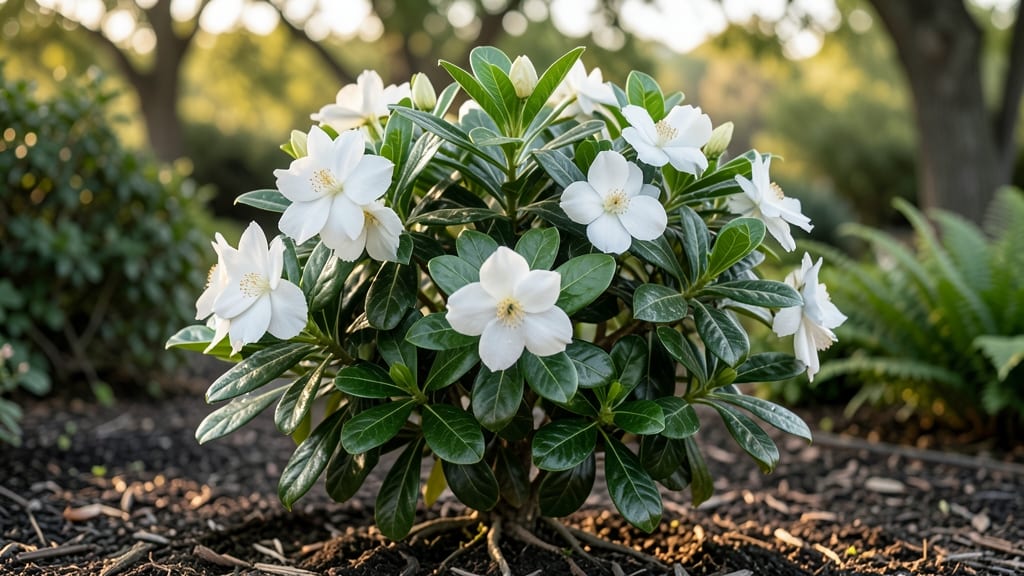
Gardenia flowering season brings those intoxicating, creamy-white blooms 🌸 that turn any garden into a fragrant paradise—but only if you time it right.
If you’ve ever dreamed of your garden bursting with fragrant, creamy-white gardenia blooms, timing is everything—especially since these tropical beauties follow a precise flowering calendar that varies by climate zone.
In most regions, like Zone 6, gardenias typically bloom from June to August, but warmer climates (like Florida or California) can extend their season into early fall. The key? Understanding your zone’s unique window and giving your plant the right care to encourage longer, more abundant blooms.
Below, I’ll break down the month-by-month flowering timeline, regional tweaks, and simple tips—like pruning and feeding—to make sure your gardenia puts on its best show year after year.
When do gardenias bloom? Month-by-month flowering timeline by USDA zones
Gardenias are the fragrant stars of any garden, but their blooming schedule depends heavily on your USDA hardiness zone. In warmer zones like Zone 10, you might enjoy blooms year-round, while gardeners in Zone 7 will see a shorter but equally stunning display.
Understanding these patterns helps you plan for the most spectacular gardenia season possible.
These tropical shrubs typically bloom in late spring through summer, but the exact timing shifts based on your region. For example, gardenias in Florida (Zone 9-10) may start flowering as early as February, while those in California (Zone 9-10) often peak in May and June.
Let’s break down the month-by-month blooming schedule by zone.
In Zone 7, where I grow my gardenias, the first buds appear in late May, just as the air warms enough to trigger their tropical instincts. The peak blooming period stretches from June to July, when the garden is filled with their intoxicating scent.
If you live in a cooler microclimate within Zone 7, you might see blooms delayed by a week or two.
Gardeners in Zone 8 enjoy an earlier start, with blooms kicking off in April and lasting through July. The humidity in regions like Georgia or the Carolinas enhances the fragrance, making your garden smell like a tropical paradise.
Just be mindful of late spring frosts, which can damage new buds.
For those in Zone 9 and above, the blooming season becomes almost year-round. In Zone 9 (e.g., Southern California or Texas), gardenias may start as early as March, while Zone 10 and 11 gardeners can expect blooms from February through May.
In Florida, for example, I’ve seen gardenias flower in every month with consistent care, though the heaviest blooms occur in spring and fall.
Regional variations also play a role. Gardenias in California’s coastal areas (Zone 9-10) often bloom later than those in Florida’s humid climate due to cooler ocean breezes. Meanwhile, gardenias in Hawaii (Zone 11) may produce blooms almost year-round, with only slight reductions during the wettest months.
To maximize your gardenia’s blooming potential, pay attention to your local last frost date and adjust care accordingly. For instance, in Zone 7, I always hold off on heavy pruning until after the June blooms to avoid cutting off next year’s buds.
In warmer zones, a light pruning in late summer can encourage a second flush of flowers.
Pro tip: If your gardenia isn’t blooming as expected, check its light exposure and soil pH. Gardenias thrive in partial shade and acidic soil (pH 5.0-6.5). A simple soil test can reveal if your gardenia is struggling due to alkaline conditions, which can stunt flowering.
With the right timing and care, your gardenia
How to extend your gardenia’s flowering season naturally (without chemicals)
Gardenia plants naturally bloom in late spring to summer, but with the right care, you can coax them into producing longer-lasting, more abundant flowers. The key lies in mimicking their tropical habitat—think acidic soil, consistent moisture, and strategic pruning.
I’ve helped my own gardenias bloom nearly year-round by adjusting just a few simple habits, and I’ll show you how.
One of the biggest mistakes gardeners make is assuming gardenias are low-maintenance. In reality, they’re delicate divas that thrive when given precise care.
Whether your gardenia lives in a container on your patio or grows in-ground, these natural methods will help you extend the flowering season without resorting to harsh chemicals.
🌸 5 Natural Ways to Extend Gardenia Blooms
- 1. Adjust soil pH to 5.0-6.5 using sulfur or peat moss—gardenia roots crave acidity.
- 2. Prune after blooming to remove dead flowers and crowded branches, encouraging new growth.
- 3. Water deeply in mornings to avoid root rot while keeping soil consistently moist.
- 4. Provide partial shade (4-6 hours of morning sun) to prevent leaf scorch.
- 5. Fertilize lightly with high-phosphorus fertilizer (10-10-10) every 6 weeks in spring/summer.
Let’s start with soil pH, which is often overlooked but critical. Gardenias are acid-loving plants, and a pH above 7.0 can stunt blooms entirely. I test my soil annually and amend it with elemental sulfur or pine bark fines to keep it in the ideal range.
If your gardenia’s leaves turn yellow, that’s a classic sign of alkaline soil—time to adjust!
Pruning isn’t just about shaping your plant—it’s a bloom-boosting hack. Always prune right after flowering (never in fall or winter) to remove spent blooms and overcrowded branches.
This encourages new growth and more buds for next season. Use clean, sharp shears and make cuts at a 45-degree angle just above a leaf node.
Container gardenias need extra attention because their roots dry out faster. I water mine every 2-3 days in summer, always in the morning to reduce fungal risks.
For in-ground plants, deep watering once or twice a week is usually enough—just check the soil 2 inches down. If it’s dry, it’s time to water!
Light exposure makes a surprising difference. While gardenias love bright, indirect light, too much direct sun can scorch leaves and reduce blooms. In hot climates, I move my potted gardenias to dappled shade by noon.
If you notice brown leaf edges, your plant might be getting too much sun—try relocating it.
Finally, don’t forget that stress-free growing is the secret to longer blooms. Avoid sudden temperature changes, drafts, and overcrowding. With these natural tweaks, my gardenias now bloom from late spring through early fall, filling my garden with their intoxicating fragrance—all without chemicals!