
Flowers
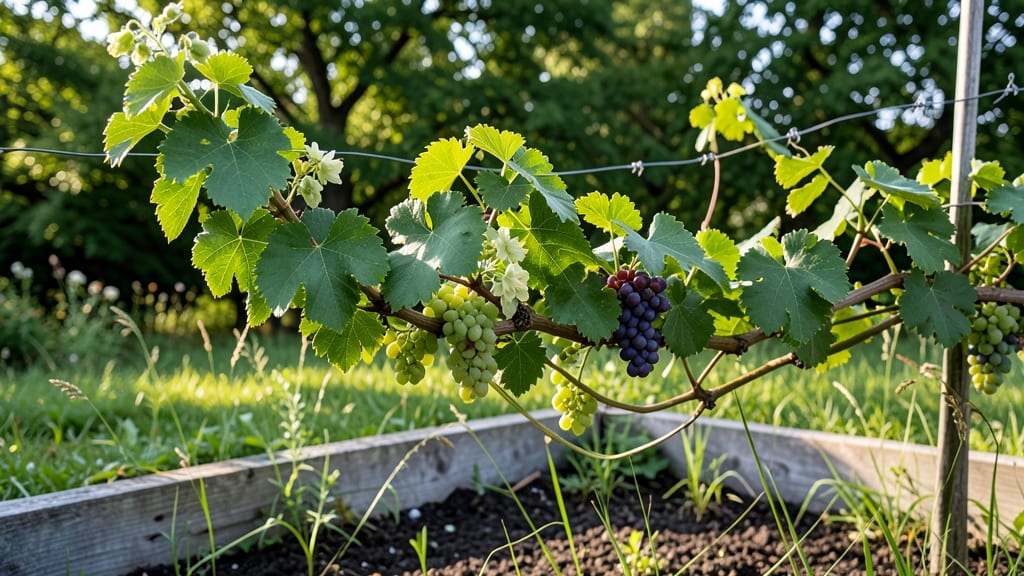
Transforming grape flowers into fruit is all about timing, conditions, and a little help from nature — or you. 🍇
Did you know that 90% of grape flowers fail to produce fruit without proper pollination? Understanding this critical process can turn your vineyard into a bountiful harvest—here’s how to master it.
From the moment those delicate blooms appear in April or May to the first signs of fruit set, every step matters. Too much heat, poor pollination, or even the wrong pruning can leave you staring at empty vines by harvest time.
In this guide, I’ll walk you through the science of grape flower development, the 5 key factors that boost fruit set, and how to troubleshoot when things go wrong. Whether you’re dealing with dropped blossoms or stunted berries, you’ll learn exactly what to do — and when.
How grape flowers develop into fruit: the pollination process explained
Watching grape flowers transform into juicy clusters is one of the most rewarding parts of growing grapes. But did you know the journey from bloom to berry depends on precise timing and conditions?
The pollination process bridges the gap between delicate flowers and sweet fruit, and understanding it can double your harvest. Let’s break down how it works—and how you can optimize it.
First, grape flowers contain both male and female reproductive parts, making them self-pollinating. However, environmental factors like temperature, humidity, and pollinators dramatically influence whether that potential turns into actual fruit.
Even with self-pollination, external triggers are often needed to kickstart the process. Without them, those tiny blossoms will simply drop off, leaving you with empty vines.
Here’s the step-by-step journey from flower emergence to fruit set, including the critical moments where you can intervene to ensure success:
Grape flowers bloom in late spring (typically May in most USDA zones). Each flower has 5 petals and contains both male and female parts, but they’re not yet ready for pollination.
When temperatures rise to 60-85°F, pollen is released from the anthers. This is the critical window for pollination—miss it, and flowers may drop before setting fruit.
Pollination happens via wind, bees, or manual assistance. Bees are the most effective, but in low-bee areas, you may need to shake vines gently during peak bloom.
Once pollen lands on the stigma, fertilization occurs within 24-48 hours. The ovary begins swelling, signaling the start of fruit development.
Within 7-10 days, tiny berries form. This stage is fragile—stress, drought, or pesticides can cause flowers to drop before setting fruit.
By 6 weeks post-bloom, clusters grow rapidly. Prune excess leaves to improve airflow and sunlight penetration, which boosts fruit quality and size.
One of the biggest misconceptions is that grapes will fruit reliably on their own. In reality, 30-50% of flowers naturally drop without proper pollination.
To maximize success, I’ve found that hand-pollination (using a small brush to transfer pollen between flowers) works wonders in greenhouse setups or areas with limited bee activity.
Temperature plays a huge role too. If nights drop below 50°F during bloom, pollen won’t release effectively. Similarly, high humidity (above 80%) can prevent pollen from drying and sticking to stigmas.
I once had a 90% fruit set in a dry, sunny year—but only a 20% set in a damp, cool spring. The difference was pollination efficiency.
Once fruit is set, the real work begins. The first 4 weeks after pollination are critical for berry development. During this time, grapes need consistent watering (1-2 gallons per plant) and balanced fertilization to support cluster growth.
I’ve seen vines with perfectly pollinated flowers fail to produce quality fruit because of nutrient deficiencies or water stress during this stage.
Pro tip: Thin clusters when berries are the size of a marble. Removing 10-20% of the smallest grapes improves size and quality for the remaining fruit. It might seem counterintuitive, but this reduces competition for resources, leading to larger, sweeter grapes.
By understanding these biological stages and environmental triggers, you can troubleshoot issues before they happen. For example, if your vines have abundant flowers but few berries, it’s likely a pollination failure.
But if flowers drop before setting fruit, the issue might be temperature stress or poor nutrition. Knowing the difference saves time and frustration.
Next, we’ll dive into 5 critical factors that naturally boost grape fruit set—including how to create the perfect conditions for heavy harvests. You’ll learn about ideal temperature ranges, bee-friendly vineyard layouts, and even organic sprays to avoid during bloom. Stay tuned!
5 Critical factors that boost grape fruit set naturally
Transforming grape flowers into fruit depends on precise environmental conditions and proactive care. Even with healthy vines, poor pollination can leave you staring at blooms instead of clusters.
The good news? You can dramatically improve fruit set by focusing on these five science-backed factors that mimic ideal vineyard conditions at home.
First, let's address the temperature sweet spot—grapes thrive when daytime temps hover between 70°F and 85°F during bloom. Cooler nights below 55°F can stunt pollen viability, while extreme heat above 90°F accelerates flower drop. This delicate balance explains why coastal regions often outperform inland vineyards for consistent fruit set.
🌱
- 🌡️ Optimal Temperature: 70°F-85°F during bloom (avoid extremes)
- 💧 Humidity Control: 50-60% prevents fungal issues while supporting bee activity
- 🐝 Bee-Friendly Layout: Plant pollinator-attracting flowers near vines (e.g., lavender, borage)
- 🚫 Avoid Toxic Sprays: Skip neonicotinoids and copper-based fungicides during bloom
- ⏰ Manual Assistance: Gently shake vines at 10 AM-2 PM on dry days when bees are least active
Next, humidity control plays a surprising role in fruit set. While grapes need consistent moisture, high humidity above 70% creates ideal conditions for powdery mildew, which can drop flowers before pollination occurs.
Aim for 50-60% humidity during bloom by spacing vines properly and using drip irrigation instead of overhead watering. This balance also keeps bees active—your most valuable pollinators.
Your vineyard's physical layout can make or break fruit set. Plant bee-attracting flowers like lavender, borage, or marjoram near your grapevines to create a pollinator highway. Space vines 6-8 feet apart to improve airflow and allow bees to navigate easily.
For container growers, place vines near windows with bee-friendly plants on adjacent balconies to maximize pollination efficiency.
Chemical sprays can silently sabotage your harvest. Neonicotinoid pesticides and copper-based fungicides are particularly harmful during bloom, as they kill bees and disrupt pollen viability. Instead, use organic alternatives like neem oil (applied after sunset) or horticultural oil for pest control.
Always avoid spraying when flowers are open—even organic solutions can reduce pollination success by 30-40%.
When all else fails, manual pollination becomes your secret weapon. On dry days between 10 AM and 2 PM (when bees are least active), gently shake individual vines or use a small brush to transfer pollen between flowers.
Focus on cluster centers first, as these flowers often receive less natural pollination. This technique can boost fruit set by 20-30% in home gardens where bee activity is limited.
🍇