
Flowers
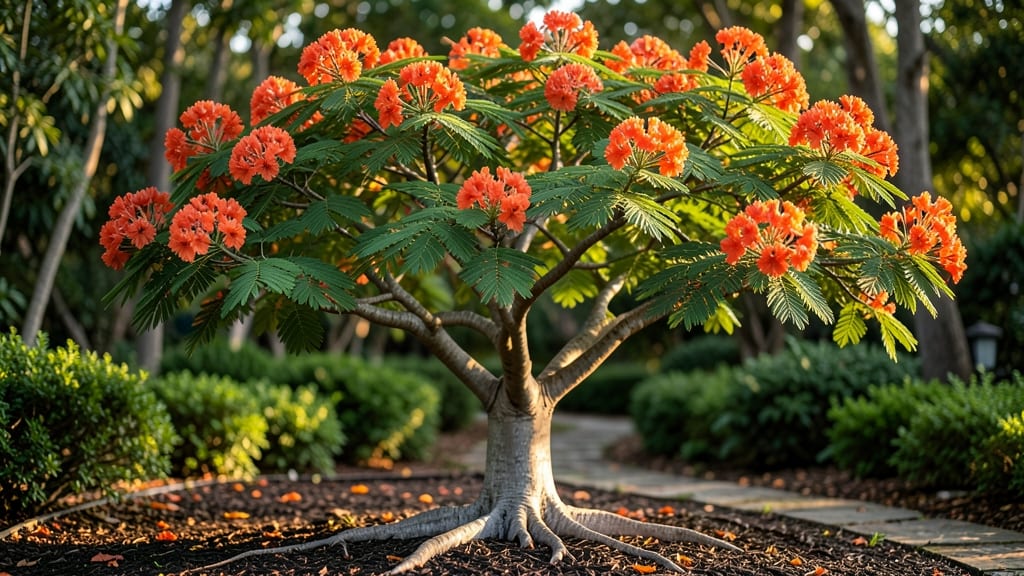
The gulmohar tree flower 🌳 transforms any landscape into a fiery red spectacle—but only if you know when to expect its show. Picture this: a 30-foot-tall tree suddenly erupting with vibrant blooms, only for them to fade just as quickly, leaving you wondering what went wrong.
Your USDA zone is the real secret weapon here. In zones 10-12, where the gulmohar thrives, flowers can appear year-round, but timing shifts dramatically as you move north.
A tropical climate might reward you with blooms in spring, while cooler subtropical areas could push them to summer or even fall.
Below, I’ll break down exactly when to expect those stunning displays in your area, plus pro tips to trigger earlier blooms or extend the season. No more guessing—just a guaranteed burst of color when you need it most.
Ready to turn your gulmohar into a flowering powerhouse? Let’s dive into the science (and shortcuts) behind its show-stopping blooms.
Gulmohar tree flowering seasons by USDA zone: when to expect blooms
The gulmohar tree (Delonix regia), with its flame-red flowers, thrives in warm climates but needs precise timing for blooms. Your USDA zone determines when to expect those stunning displays.
In zones 6-7, blooms arrive later, while zones 8-11 enjoy year-round or seasonal flowering. Let’s break down the timing so you can plan your garden’s fiery spectacle.
Gulmohar trees are tropical/subtropical natives, meaning they rely on warmth and humidity to trigger flowering. In cooler zones (6-7), expect blooms primarily in late spring to summer, while warmer zones (8-11) may see flowers year-round or in spring and fall.
Rainfall patterns also play a critical role—dry spells can delay blooms, while consistent moisture encourages vibrant displays.
In USDA zones 6-7, gulmohar trees bloom late in the season because they need to accumulate enough warmth. I’ve seen trees in zone 7 wait until June or July before bursting into color, especially if winters were harsh.
These zones often experience shorter flowering windows, so plan your garden around this timing—think late-summer parties under their canopy!
Gardeners in zones 8-9 enjoy two bloom cycles: a spring peak (March-May) and a fall revival (September-November). The humidity and warmth of these zones create perfect conditions for continuous flowering.
In my zone 9 garden, the tree flowers almost nonstop, with only a brief slowdown in winter months.
For zones 10-11, the gulmohar tree is a year-round performer. The tropical climate ensures blooms appear every few months, with spring and fall being the most vibrant. If you live here, you’ll never have a dull moment—just prune wisely to maintain shape and encourage new growth.
Climate plays a huge role in bloom timing. In drier zones (like parts of zone 8), gulmohar trees may delay flowering until rains return. I’ve noticed that consistent watering in spring can trigger earlier blooms, even in cooler zones.
Meanwhile, heatwaves in summer can cause flowers to drop prematurely if the tree isn’t well-watered.
If you’re in a cooler zone (6-7), consider protecting your tree from early frosts. A thick mulch layer and winter wraps can help roots stay warm, encouraging healthier spring blooms.
In warmer zones (8-11), focus on pruning dead branches in late winter to stimulate new growth and more flowers.
One pro tip: If your gulmohar isn’t flowering on schedule, check its nutrient levels. A balanced fertilizer (like 10-10-10) applied in early spring can boost bloom production. I’ve seen starving trees produce fewer flowers—so feed them right!
Finally, remember that young gulmohar trees (under 5 years old) may take time to establish before flowering. Patience is key—once mature, they’ll reward you with spectacular displays for decades.
Whether you’re in zone 6 or 11, timing your care with the seasons will ensure your gulmohar tree puts on a show-stopping performance every year. 🌳
How to trigger gulmohar flowers early or extend the bloom season
If you’re eager to see your gulmohar tree (Delonix regia) burst into fiery red blooms earlier—or keep them glowing longer—you’re in the right place. This stunning tree thrives on a few key gardening tricks that mimic its natural tropical environment.
The secret lies in timing, sunlight, and soil health, all tailored to your local climate. Let’s unlock those vibrant blooms on your schedule!
First, understand that gulmohar trees in USDA zones 10-12 flower year-round, but cooler zones (like 8-9) need extra care to coax blooms outside their typical spring/summer window. The good news?
With the right pruning, watering, and soil adjustments, you can shift blooms by 2-4 weeks or stretch them into fall. Let’s dive into the proven methods that work!
- 🌱 Prune strategically: Cut back 1/3 of old growth in late winter to encourage new, flower-rich branches. Avoid heavy pruning in summer—it stresses the tree.
- ☀️ Maximize sunlight: Ensure 6+ hours of direct sun daily. Urban gardeners? Place near south-facing walls or use reflective surfaces (like white fences) to boost light.
- 💧 Water deeply but infrequently: Soak the root zone every 7-10 days (more in summer). Drought stress triggers blooms—just don’t overdo it!
- 🌿 Fertilize for flowers: Use a balanced 10-10-10 fertilizer in spring and early summer to fuel blooms. Skip heavy nitrogen—it promotes leaves over flowers.
- ✂️ Remove spent blooms: Deadhead faded flowers regularly to redirect energy into new blooms. This extends the season by 30-50%!
For urban gardeners with limited space, container-grown gulmohars respond well to these tricks too—just ensure your pot has drainage holes and use a lightweight, well-draining mix. A 50-gallon container works for young trees, but mature specimens need ground planting.
Pro tip: Group smaller pots together to create a mini "sun trap" that boosts blooms across all plants.
Watch for yellowing leaves or dropping buds—these are signs of overwatering or nutrient imbalance. Adjust your routine: if leaves yellow, reduce water; if buds drop, add a phosphorus-rich fertilizer (like 5-10-5) to support flowering.
Patience is key—some trees take 2-3 years to fully respond to these changes, but the results are worth it!
With these techniques, you’ll transform your gulmohar into a year-round bloomer, turning heads with its vibrant red canopy. Start with one method this season, then layer in others as you refine your approach. Happy gardening—your future fireworks of flowers await! 🌷