
Plants
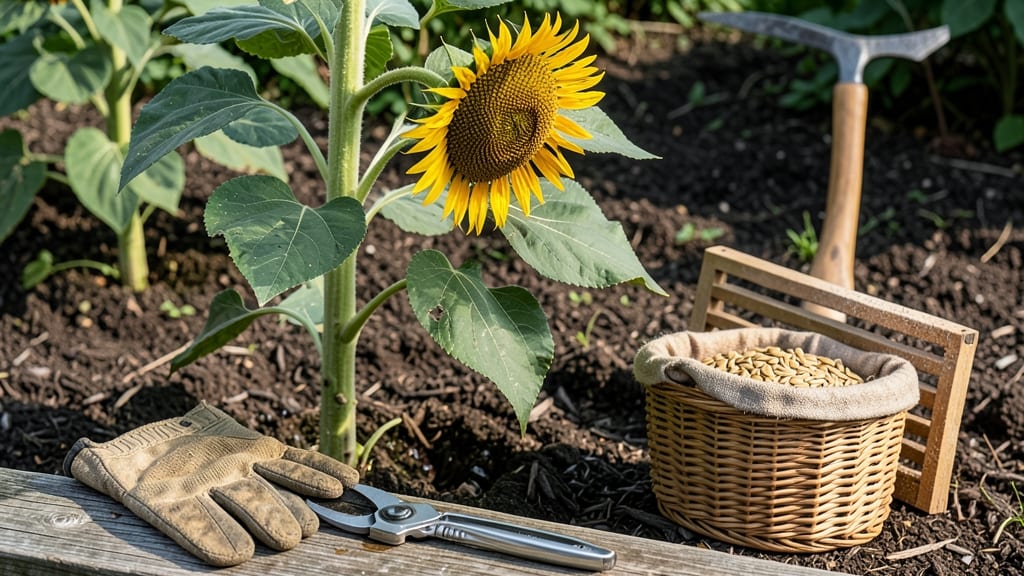
Harvesting sunflower plants at the right moment unlocks their full potential—whether you’re after crisp stems for bouquets or nutrient-rich seeds for storage.
Sunflowers aren’t just stunning garden centerpieces—they’re powerhouses of nutrition and beauty, but harvesting them at the wrong time means wasted effort. Whether you’re after crisp stems for bouquets or plump seeds for bird feeders, precision timing is everything.
You’ve poured time and care into growing these towering beauties, so why let a missed window ruin the payoff? The difference between perfect seeds and shriveled stems often comes down to knowing when to act—and how.
Here’s exactly when to harvest for seeds, stems, and maximum yield, plus the tools and tricks to preserve them like a pro.


When to harvest sunflower seeds for maximum yield and quality
Timing your sunflower seed harvest is the difference between nutrient-packed seeds and bitter, shriveled disappointments. Most varieties reach maturity between 80-120 days after planting, but climate and variety play huge roles.
In my Zone 6a garden, I’ve found that late July to early September delivers the sweet spot for peak ripeness—just as the back of the flower head turns dull yellow-brown.
Don’t wait until the seeds start falling to the ground—that’s a missed opportunity for maximum yield. The ideal harvest window is when the petals begin drooping and the seed head feels heavy and firm when gently squeezed.
This usually happens 2-3 weeks after the flower fully opens, depending on your local average temperatures.
| Maturity Sign | Visual Clue | Action |
|---|---|---|
| Petal Stage | Drooping slightly at edges | Monitor daily for seed ripening |
| Seed Head Color | Yellow-brown back | Test seed moisture |
| Seed Texture | Hard and dry to touch | Harvest immediately |
| Moisture Test | Seeds rattle when shaken | Cut stems for drying |
| Climate Impact | Hot/dry summers | Harvest 1-2 weeks earlier |
Here’s my foolproof moisture test that saves seeds from mold: Snap open a seed head and check the seeds. If they’re dry and hard with no moisture when squeezed, they’re ready. If they’re still slightly damp or green, wait 2-3 more days.
I once harvested too early in a humid summer and ended up with shriveled seeds—a lesson I won’t repeat!
Climate makes all the difference. In cooler regions, sunflowers may take 10-14 extra days to mature compared to hotter climates. I’ve seen dwarf varieties like ‘Teddy Bear’ ripen faster (around 80 days) than towering giant varieties like ‘Russian Giant’ (up to 140 days).
Always check your seed packet for variety-specific guidelines.
Morning is the best time to harvest because the dew has dried and the stems are firmer. Use clean pruners or a sharp knife to cut stems 2-3 inches below the seed head.
Leave the seed heads intact on the stems—they’ll dry better this way. Hang them upside down in a well-ventilated, dry space for 2-3 weeks.
If you’re in a humid climate, speed up drying by placing seed heads in a 60°F oven for 1-2 hours (not too hot!). Once fully dry, rub the seeds between your hands to remove them from the head.
Store them in paper bags or glass jars in a cool, dark place—they’ll keep for up to a year.
One mistake I see often is harvesting seeds when they’re overripe—the birds will get to them first! If you notice birds pecking at your sunflowers, cover the heads with mesh bags once they start drying. This trick has saved hundreds of seeds in my garden over the years.
For maximum yield, harvest seeds in two batches: first when the outer seeds are ripe, then again when the inner seeds mature. This two-step approach ensures you don’t miss a single seed. Just remember: patience is key—rushing the harvest means smaller, less flavorful seeds.
Now that you’ve mastered the timing, your next challenge is preserving those seeds for next year’s garden. But that’s a story for another guide—happy harvesting! 🌾
How to harvest sunflower stems for long-lasting floral arrangements
Sunflower stems are the secret weapon for bold, long-lasting bouquets that outshine store-bought arrangements. The key? Harvesting at the perfect moment and preparing stems properly to maximize vase life.
Unlike seeds, stems should be cut when petals are fully open but not yet drooping—this ensures vibrant color while maintaining stem crispness. I’ve learned the hard way that cutting too early means floppy stems, while waiting too long results in dry, brittle bases. Let’s fix that!
Timing matters just as much as technique. The best time of day to harvest is early morning when stems are hydrated and cool. Avoid cutting in midday heat, which stresses the plant and shortens vase life.
You’ll also need the right tools and supplies, like sharp pruners, a bucket of water, and floral preservative. Trust me, these small steps make a huge difference in how long your arrangements stay fresh.
Step-by-Step Sunflower Stem Harvesting Guide
- 🌞 Choose the right stems: Select fully open sunflowers with vibrant petals and no visible damage. Avoid stems with yellowing leaves or spider webs (signs of pests).
- ✂️ Cut at the perfect angle: Use clean pruners to make a 45-degree diagonal cut about 6 inches from the base. This increases water uptake and prevents air bubbles.
- 💧 Immerse stems immediately: Place cut stems in a bucket of cool water with 1 tsp floral preservative (or a pinch of bleach + sugar) to prevent bacterial growth.
- 🌿 Strip lower leaves: Remove all leaves below the waterline to reduce rot and improve hydration. Leave 2-3 leaves at the top to feed the stem.
- ⏳ Recut stems under water: Before arranging, trim 1 inch off each stem while submerged to open clogged vessels and extend vase life by 3-5 days.
Reviving wilted sunflowers is easier than you think. If your stems arrive slightly wilted, don’t toss them! Place them in lukewarm water with a sugar and bleach mix (1 tbsp sugar + ¼ tsp bleach per quart of water) for 2-4 hours.
This rehydrates cells and can bring them back to life. For extra longevity, add a drop of dish soap to reduce surface tension and help stems drink up water faster.
Pro tip: Store harvested stems in the fridge overnight before arranging. The cool temperature slows respiration, keeping them fresher longer. When ready to use, trim stems again under water and arrange in a clean vase with fresh preservative solution.
Change the water every 2-3 days for arrangements that last 10-14 days—far longer than most cut flowers!
Don’t forget to support your sunflower plants after harvesting. Cutting stems stimulates new growth, so fertilize lightly with a balanced 10-10-10 mix and water deeply. If you’re growing multiple varieties, stagger your harvests to enjoy continuous blooms all season long.
With these techniques, your sunflower arrangements will be the talk of the town—and your garden will keep producing beauty for weeks to come.