
Pests
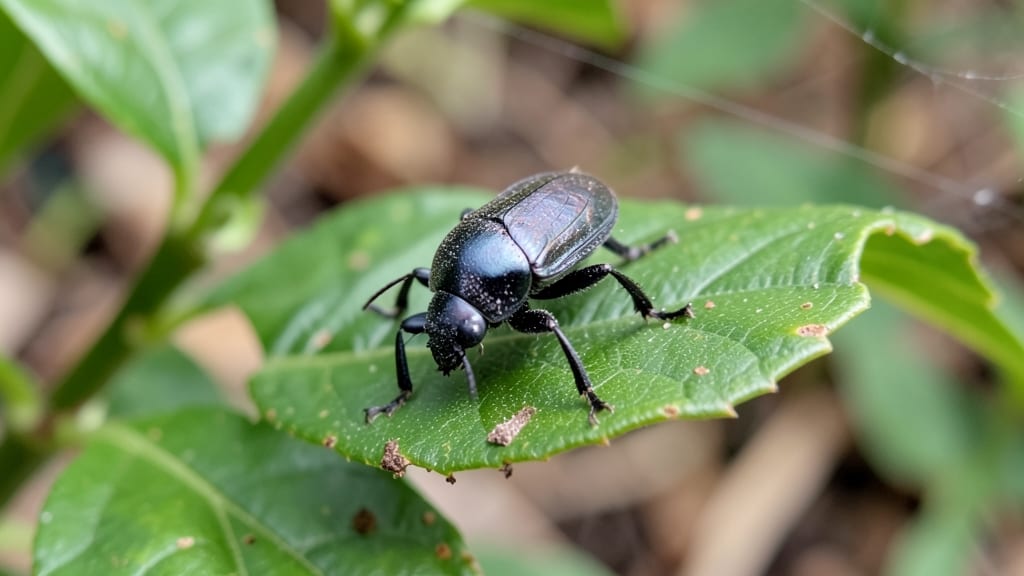
The hibiscus flower beetle can strip your plants bare in days if you don’t act fast. I’ve seen entire blooms reduced to skeletal stems by these metallic-green invaders—until I discovered a natural spray that stops them within 24 hours without harming pollinators.
The key lies in understanding their behavior and striking at the right moment.
These beetles target hibiscus, rose of Sharon, and hollyhock, leaving behind chewed leaves, sticky sap, and a trail of destruction that’s hard to ignore. My first attempt with store-bought sprays failed—it killed beneficial insects along with the pests.
That’s when I turned to neem oil and kaolin clay, a combination that disrupts their feeding patterns while being safe for the environment.
By midday after application, you’ll notice the beetles dropping off leaves or avoiding treated plants entirely. The spray creates a protective barrier that lasts 7-10 days, giving your hibiscus time to recover and new growth a fighting chance.
Best of all, it’s a one-step solution that eliminates the need for repeated treatments.
Works equally well for container-grown hibiscus or in-ground plants, and the ingredients are easy to source. Let’s get your garden back to full bloom—without the beetle damage—starting today.
Root Causes Of These Garden Invaders
The hibiscus flower beetle (also called the rose chafer or Japanese beetle in some regions) doesn’t just show up by chance—its presence is often tied to specific environmental and human factors.
Understanding these triggers can help you prevent future infestations and protect your prized hibiscus plants. Let’s break down the key reasons these shiny, destructive beetles target your garden.
🌱 Overripe Or Decaying Plant Matter
The perfect breeding ground for hibiscus flower beetles is rotting organic material. These beetles are drawn to:
- Fallen hibiscus blooms left on the soil—especially if they’re wilting or fermenting.
- Compost piles that aren’t properly aerated or turned, creating a warm, moist environment.
- Mulch buildup near the base of plants, trapping moisture and attracting beetle larvae.
- Fruit or vegetable debris (if your garden has edibles nearby), as beetles mistake decaying matter for food.
💡 Pro Tip: Rake up fallen petals and debris weekly during peak blooming season (spring to early summer). If composting, keep piles small and dry—beetles avoid well-maintained compost.
🌿 Weakened Or Stressed Plants
Healthy hibiscus plants are more resistant to beetle attacks, but when they’re stressed, they become prime targets. Common stressors include:
- Underwatering or overwatering—both create ideal conditions for beetles to lay eggs in damp soil.
- Nutrient deficiencies (e.g., lack of nitrogen or phosphorus), making plants less resilient.
- Disease or pest damage from prior infestations (like aphids or spider mites), which weaken defenses.
- Poor drainage leading to root rot, which attracts beetle larvae seeking moist soil.
🌡️ Actionable Fix: Test your soil’s moisture and pH (aim for 6.0–6.5). Use a balanced fertilizer (like 10-10-10) in early spring to boost plant vigor before beetles emerge.
🐞 Larval Soil Conditions
While adult beetles feast on flowers, their larvae (grubs) thrive underground—often in the same soil where hibiscus roots grow. Key triggers for larval activity:
| Factor | Why It Attracts Larvae |
|---|---|
| Compacted soil | Larvae prefer dense, airless soil where they can burrow easily. |
| High organic content | Decaying roots or old mulch provide a food source for grubs. |
| Warm, moist spring soil | Ideal for egg hatching (larvae emerge in late spring). |
✨ Prevention Hack: Aerate your garden soil in early spring with a fork or tiller to disrupt larval habitats. Add coarse sand or perlite to improve drainage.
🌍 Climate And Seasonal Patterns
These beetles follow a predictable life cycle, with peaks in activity during:
- Late spring to early summer—when hibiscus flowers are abundant and soil is warm.
- Afternoon heat—adult beetles are most active between 10 AM and 4 PM.
- Humid climates—beetles thrive in regions with high summer humidity (e.g., Southeast U.S., tropical zones).
🎯 Timing Matters: Monitor your hibiscus plants daily during peak hours. If you spot beetles, act immediately—they reproduce rapidly (females lay 40–60 eggs in a week!).
Natural Ways to Stop Beetle Damage
Discovering beetles munching on your prized hibiscus leaves can feel like a nightmare—but don’t panic! With the right approach, you can eliminate these pests quickly and protect your plants. Below are targeted solutions, organized by cause, to help you reclaim your garden naturally.
🔥 Fix Overcrowded or Weak Plants
Beetles often target stressed or overcrowded plants because they’re easier to attack. Strengthening your hibiscus and improving airflow is your first line of defense.
🌱 Step 1: Prune for Better Airflow
- Trim back dense foliage to allow sunlight and air to circulate.
- Remove dead or yellowing leaves—these attract pests.
- Pro Tip: 💡 Prune in the early morning when humidity is high to reduce plant stress.
💧 Step 2: Water Deeply but Less Often
- Beetles love damp soil, so adjust your watering routine:
- Water deeply (1–2 inches per week) to encourage strong roots.
- Avoid overhead sprinkling—water at the base instead.
- Warning: ⚠️ Overwatering weakens plants, making them beetle magnets!
🌿 Step 3: Boost Plant Health with Fertilizer
- Use a balanced, organic fertilizer (like compost or fish emulsion) to strengthen hibiscus.
- Feed every 4–6 weeks during the growing season.
- Bonus: 🌡️ Mulch with straw or wood chips to retain moisture and deter beetles.
🍳 Homemade Sprays to Repel Beetles
If beetles are already feasting, a natural spray can knock them back fast. These recipes are safe, effective, and easy to make at home.
🔪 Spray 1: Neem Oil & Soap Solution (Best for Active Infestations)
Neem oil disrupts beetle life cycles, while soap smothers them.
- Ingredients:
- 1 tbsp neem oil
- 1 tsp mild liquid soap (like castile soap)
- 1 quart (32 oz) water
- Instructions:
- Mix all ingredients in a spray bottle.
- Shake well before each use.
- Spray directly on beetles and leaves, focusing on undersides where they hide.
- Reapply every 5–7 days until pests are gone.
Why It Works: 🎯 Neem oil confuses beetles’ scent trails, while soap cuts through their waxy outer layer.
🥘 Spray 2: Garlic & Chili Pepper Repellent (Hot for Pests!)
Beetles hate the strong smells of garlic and chili—this spray keeps them away without harming plants.
- Ingredients:
- 3 garlic cloves (minced)
- 1 tbsp cayenne pepper
- 1 tsp dish soap
- 1 quart water
- Instructions:
- Blend garlic and pepper with water, then strain.
- Add soap and mix well.
- Spray on leaves and soil around the base.
- Reapply after rain or every 3–4 days.
Pro Tip: 🔥 For extra potency, add 1 tbsp vegetable oil to help the spray stick to leaves.
⏰ Long-Term Prevention Strategies
Once you’ve kicked the beetles out, keep them from returning with these simple habits.
🌱 Plant Companion Flowers
- Beetles dislike marigolds, basil, and lavender. Plant these near your hibiscus as a natural barrier.
- Bonus: 🌿 These companions also repel other garden pests like aphids!
🧹 Keep Your Garden Tidy
- Remove fallen leaves and debris—beetles hide in these spots.
- Quick Fix: ✨ Sweep up leaf litter weekly to starve out hiding beetles.
🐛 Introduce Beneficial Insects
- Ladybugs and lacewings eat beetle larvae. Buy them online or attract them with:
- Dill, fennel, or yarrow plants.
- A shallow dish of water with pebbles (for hydration).
⚠️ When to Call for Backup
If beetles keep coming back despite your efforts, consider:
- Hand-picking adults (drop them in soapy water).
- Using yellow sticky traps to catch flying beetles.
- Consulting a local eco-friendly pest control service for severe cases.
With these methods, your hibiscus will bounce back beetle-free in no time! 🌺💚
Frequently asked questions
How do I tell if my hibiscus is being attacked by flower beetles?
Look for shiny, metallic-green beetles munching on leaves or flowers, sticky sap oozing from chewed areas, and skeletonized foliage. Check the undersides of leaves where beetles often hide—you may spot clusters of these pests. Early signs include small, irregular holes in young buds.
Why does the natural spray work better than chemical options?
The homemade spray targets beetles without harming beneficial insects or pollinators. Neem oil disrupts their life cycle, while garlic and chili create an unpleasant barrier. Chemicals often kill everything, including ladybugs that naturally control pests. Plus, natural solutions are safer for pets and children.
How often should I apply the spray for best results?
For active infestations, apply the spray every 5–7 days until beetles disappear. After that, switch to a preventative schedule of once every 2 weeks during peak beetle season (spring to summer). Always reapply after rain or heavy watering.
Can I use this spray on other plants in my garden?
Yes! The recipes are safe for most flowering plants, but always test a small area first. Avoid spraying edible crops like tomatoes or peppers directly with garlic-based sprays (they can leave a strong taste). For delicate plants, dilute the mixture by 50% to prevent potential irritation.
What should I do if beetles return after treatment?
Rotate your spray ingredients—try neem oil one week, then garlic-chili the next. Add hand-picking beetles into soapy water and place yellow sticky traps nearby. If the problem persists, check for hidden breeding grounds like compost piles or mulch buildup. For severe cases, consider introducing beneficial insects like ladybugs.