
Flowers
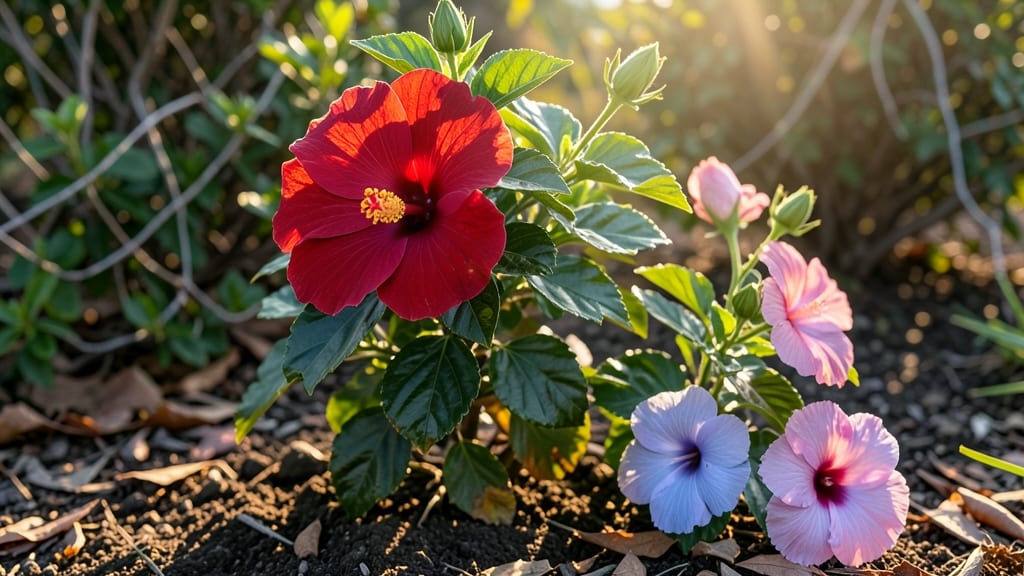
Growing hibiscus flowers with maximized size starts with knowing their natural dimensions — some varieties stretch to 15 feet, while others stay compact at just 2 feet.
If you’ve ever dreamed of a backyard bursting with tropical beauty, hibiscus flowers could be your perfect match—but first, you’ll need to know their true size. From towering shrubs to compact varieties, hibiscus flower dimensions vary wildly, and planting them too close can lead to crowded, underperforming blooms.
In this guide, we’ll break down the height and spread of popular hibiscus types, including tropical hibiscus (like Hibiscus rosa-sinensis), hardy hibiscus (Hibiscus moscheutos), and dwarf varieties. You’ll also learn how proper spacing, sunlight, and pruning can help your hibiscus reach its full potential.
Ready to transform your garden? Discover the secrets to growing larger, healthier hibiscus blooms—whether you’re working with a sprawling landscape or a cozy container garden.


Hibiscus flower size by variety: height, spread, and growth habits
Choosing the right hibiscus variety depends on your space and vision. Some varieties grow tall as trees, while others stay compact enough for containers or borders.
Understanding these differences helps you plan your garden layout and avoid overcrowding. Let’s break down the most popular types and their mature dimensions.
Hibiscus plants fall into three main categories: tropical hibiscus, hardy hibiscus, and dwarf varieties. Each has distinct growth habits, from sprawling shrubs to bushy, manageable plants.
For example, the classic Hibiscus rosa-sinensis can reach 15 feet tall in ideal conditions, while dwarf varieties like 'Lima' or 'Piebald' stay under 3 feet.
Hibiscus growth rates also vary significantly. Tropical varieties grow 1-2 feet per year, while hardy types like Hibiscus moscheutos may take 3-5 years to reach full height. Knowing these rates helps you anticipate how quickly your hibiscus will fill its space.
| Variety | Height Range | Spread Width | Growth Rate | Best For |
|---|---|---|---|---|
| Hibiscus rosa-sinensis (Tropical) | 3–15 ft | 4–10 ft | 1–2 ft/year | Large gardens, privacy screens |
| Hibiscus moscheutos (Hardy) | 4–8 ft | 3–6 ft | 1–1.5 ft/year | Perennial borders, cottage gardens |
| Hibiscus syriacus (Rose of Sharon) | 6–12 ft | 5–8 ft | 1–2 ft/year | Hedges, small trees |
| Dwarf Varieties (e.g., 'Lima', 'Piebald') | 1–3 ft | 2–3 ft | 6–12 in/year | Containers, window boxes |
| Hibiscus coccineus (Scarlet Hibiscus) | 4–6 ft | 3–5 ft | 1 ft/year | Wildlife gardens, moist areas |
The Hibiscus rosa-sinensis, often called tropical hibiscus, is the most dramatic choice for gardeners. Its large, showy blooms and fast growth make it a favorite, but it requires warm climates (USDA Zones 10–11).
In cooler regions, grow it in containers for winter protection. This variety thrives in full sun and can become a privacy screen when planted in rows.
For colder climates (Zones 5–9), hardy hibiscus like Hibiscus moscheutos are ideal. These plants produce gigantic flowers (up to 8 inches wide) and grow 4–8 feet tall.
Their sprawling habit makes them perfect for background plantings or pond edges. Unlike tropical types, they die back in winter but regrow from the roots each spring.
If space is limited, dwarf hibiscus varieties are your best bet. Plants like 'Lima' or 'Piebald' stay under 3 feet tall and work beautifully in containers, window boxes, or small gardens.
They also bloom prolifically and tolerate light pruning to maintain their compact shape. These varieties are perfect for balconies, patios, or fairy gardens.
When selecting a hibiscus, consider not just height but also spread. A 6-foot-tall hibiscus with a 10-foot spread will dominate a small yard. Measure your space and leave room for 3–5 feet of clearance around each plant.
For example, a Hibiscus syriacus (Rose of Sharon) can grow 12 feet tall and 8 feet wide, making it ideal for large hedges or small trees.
Growth habits also affect flower production. Fast-growing varieties like Hibiscus rosa-sinensis may need regular pruning to control size and encourage bigger blooms. Slower-growing types, like Hibiscus moscheutos, benefit from seasonal trimming to shape them and prevent leggy growth.
Always prune after flowering to promote new shoots for next year’s blooms.
For container gardening, choose dwarf varieties or prune tropical hibiscus aggressively. A 5-gallon pot can hold a dwarf hibiscus for 1–2 years before repotting. Larger containers (1
Proper hibiscus spacing: how far apart to plant for optimal blooms
When planting hibiscus, spacing is just as important as choosing the right variety. Overcrowding leads to poor airflow, which invites fungal diseases like powdery mildew and reduces flower production. Proper spacing ensures each plant gets enough nutrients, sunlight, and room to grow—resulting in bigger, healthier blooms.
Let’s break down the science-backed spacing guidelines for your hibiscus garden.
Hibiscus plants vary dramatically in size, from dwarf varieties that stay under 3 feet to tall shrubs reaching 15 feet. The spacing you choose depends entirely on the mature size of your specific hibiscus type.
For example, a tropical hibiscus (Hibiscus rosa-sinensis) can grow 6–15 feet tall, while a dwarf hibiscus might only reach 2–3 feet. Planting them too close stunts growth and limits flower size.
- 🌸 Dwarf hibiscus (1–3 ft tall): 2–3 ft apart to allow airflow and prevent overcrowding in containers.
- 🌿 Semi-dwarf hibiscus (3–6 ft tall): 3–4 ft apart for balanced growth and easy maintenance.
- 🌳 Standard hibiscus (6–10 ft tall): 4–6 ft apart to accommodate their wide spread and tall stature.
- 🌺 Large shrub hibiscus (10–15 ft tall): 6–8 ft apart to prevent root competition and ensure robust blooms.
For container gardening, hibiscus thrive in large pots (at least 15–20 gallons) with dwarf or semi-dwarf varieties. Space containers 3–4 feet apart to mimic in-ground spacing and improve airflow.
If you’re growing hibiscus in smaller containers, opt for dwarf varieties like ‘Lil’ Kim’ or ‘Pinks for Patsy’—they stay compact but still produce stunning blooms.
Another key factor is soil health. Hibiscus plants with ample space develop stronger root systems, which means they can access more nutrients and water. Amend your soil with organic matter like compost or aged manure before planting to give your hibiscus a nutrient-rich foundation.
Mulching around the base also helps retain moisture and regulate soil temperature, which is crucial for flower production.
If you’re planting hibiscus near a fence or wall, leave at least 4–6 feet of space behind them to avoid blocking sunlight or airflow. Hibiscus need 6+ hours of direct sunlight daily, and crowding can cast shadows that reduce blooming.
For a hedge effect, plant semi-dwarf varieties 3–4 feet apart in a staggered pattern to create a lush, uniform barrier.
Remember, hibiscus are fast growers, especially in warm climates. Prune them annually to maintain their shape and encourage larger, more abundant flowers. With the right spacing, your hibiscus will reward you with vibrant blooms all season long. 🌷