
Size
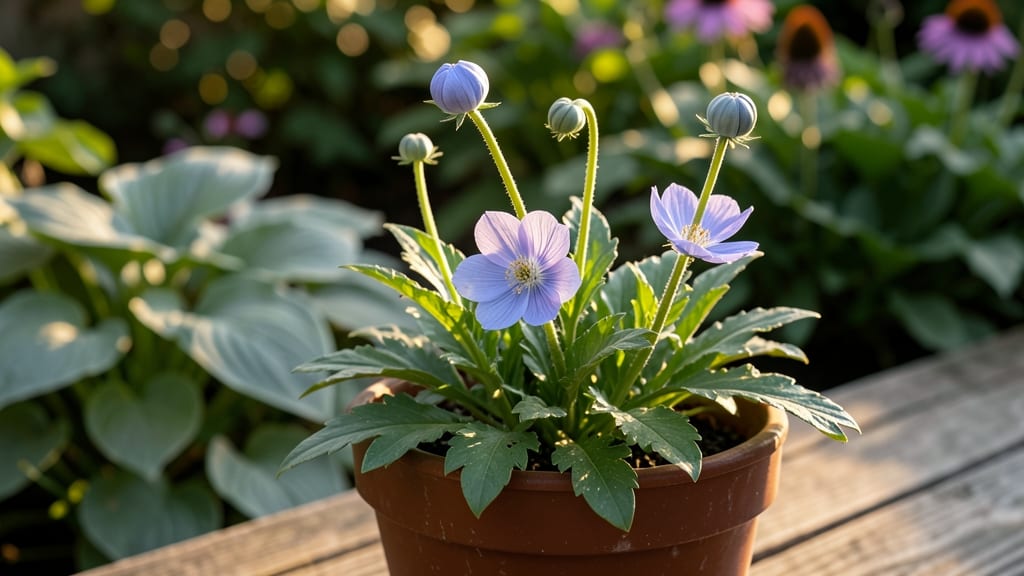
Balloon flowers grow between 1 and 3 feet tall at maturity, making them a versatile choice for gardens of all sizes 🌸 — but their final height depends on the variety and growing conditions.
If you're picturing a delicate, compact plant, think again: some varieties like 'White Tower' can reach nearly 3 feet, while others like 'Astra Blue' stay closer to 18 inches. The difference isn't just about aesthetics—it affects spacing, companion plants, and even pruning needs.
For gardeners in USDA Zone 6a, where these perennials thrive, understanding their growth habits early saves space and frustration. Plant too close, and you'll crowd out blooms; give them room, and they'll reward you with dramatic summer displays.
Below, I’ll break down how to choose the right variety for your space, what factors influence their size, and how to keep them looking their best—whether you’re working with a small container or a sprawling border.
Balloon flower mature height by variety: compact vs. tall options
When planning your garden, knowing balloon flower mature height is key to creating a balanced layout. These perennial beauties (Platycodon grandiflorus) offer stunning blooms but vary dramatically in size.
Some stay under 12 inches, perfect for containers, while others reach 3 feet, making them standout border plants. Let’s explore the most popular varieties and their growth habits so you can choose the perfect fit for your space.
From dwarf varieties ideal for window boxes to tall cultivars that thrive in cottage gardens, balloon flowers adapt beautifully to different settings. The height differences between varieties often come down to genetics, but soil quality, sunlight, and pruning also play roles.
Whether you're working with a small balcony garden or a large landscape design, selecting the right variety ensures your plants flourish without crowding neighbors.
Here’s a quick look at how balloon flower mature height compares across popular varieties. The table below breaks down typical heights, spread, and ideal uses, so you can visualize how each will fit into your garden plan.
| Variety | Mature Height | Spread | Best For |
|---|---|---|---|
| 'Astra Blue' | 12–18 inches | 12–18 inches | Containers, borders, rock gardens |
| 'Hortensia' | 18–24 inches | 12–18 inches | Cut flowers, cottage gardens |
| 'White Tower' | 24–30 inches | 18–24 inches | Back of borders, tall arrangements |
| 'Blue Boy' | 12–15 inches | 10–12 inches | Window boxes, small gardens |
| 'Marina' | 20–24 inches | 15–20 inches | Mixed borders, perennial beds |
| 'Alba' | 18–22 inches | 12–15 inches | Cut flowers, white-themed gardens |
The 'Astra Blue' variety is a favorite for small-space gardens because its compact height (12–18 inches) makes it perfect for containers and window boxes. Its spreading habit also allows it to fill gaps without overwhelming nearby plants.
If you’re aiming for a bold statement, the 'White Tower' variety reaches 24–30 inches, making it ideal for the back of borders or as a focal point in cut flower arrangements.
For gardeners who love versatility, the 'Hortensia' variety strikes a balance with a mature height of 18–24 inches. This makes it suitable for both border plantings and cutting gardens. Its moderate spread ensures it doesn’t crowd smaller plants while still making an impact.
If you’re working with limited vertical space, consider 'Blue Boy', which tops out at just 12–15 inches—ideal for balcony gardens or raised beds.
When planning your balloon flower spacing, remember that these plants typically spread wider than they grow tall. For example, a 24-inch-tall variety like 'White Tower' may only need 18 inches of space between plants, but its spread can reach 24 inches.
This means you’ll want to leave at least 12–18 inches between plants to prevent overcrowding and ensure good airflow, which reduces the risk of fungal diseases.
One of the most misunderstood aspects of balloon flower growth is how their height changes over time. In their first year, most varieties stay shorter (around 12–18 inches) but bolster in height and spread in subsequent years.
By year three, many varieties reach their full mature height. This gradual growth makes them low-maintenance but requires patience if you’re planting them in a space with limited room.
If you’re growing balloon flowers in containers, choose dwarf varieties like 'Astra Blue' or 'Blue Boy' to avoid overcrowding. A 5-gallon pot is ideal for these compact types, while taller varieties like 'White Tower' may need 7–10 gallons of soil to support their larger root systems.
Always use well-draining potting mix to prevent root rot, which can stunt growth and reduce bloom production.
For gardeners in cooler climates (USDA zones 3–8), balloon flowers are hardy perennials that return year after year. Their height
Factors affecting balloon flower size: soil, sun, and pruning tips
Balloon flowers (Platycodon grandiflorus) thrive when given the right growing conditions, but their size can vary dramatically based on what you provide. Sunlight exposure is one of the biggest factors—too little can stunt growth, while too much might reduce blooming. Soil quality also plays a critical role in determining whether your plants reach their full potential height of 2-3 feet or stay more compact.
Even pruning techniques can influence how tall they grow and how vigorously they bloom.
In my garden, I’ve seen dwarf varieties like 'Astra Blue' stay under 18 inches when given partial shade, while 'White Tower' can easily hit 3 feet with full sun and rich soil.
The key is understanding how to manipulate these factors to get the exact size you want—whether that’s a low border plant or a back-of-the-bed statement maker.
Mature height: 1-3 ft (varies by variety)
Spread: 12-18 inches
First year: 1-2 ft (slower growth)
Subsequent years: 2-3 ft (full maturity)
Pro Tip: 'Hortensia' varieties often reach the upper range (2.5-3 ft), while dwarf selections like 'Little Bell' max out at 12-16 inches.
Let’s start with sunlight, which is non-negotiable for balloon flowers.
These plants prefer 4-6 hours of direct sun daily, but they’ll tolerate partial shade in hotter climates. Full sun exposure (6+ hours) will encourage taller growth, but it may also lead to fewer blooms if the plant struggles with heat stress.
I’ve found that morning sun with afternoon shade gives the best of both worlds—vibrant blooms without sacrificing height.
Your soil mix directly impacts how well your balloon flowers can access nutrients and water, both of which affect growth. Well-draining, slightly acidic soil (pH 6.0-7.0) is ideal, and amending clay soil with compost or sand can make a huge difference.
I always add a 2-inch layer of organic mulch around the base to retain moisture and prevent soil compaction, which can stunt root development. Overly fertile soil might produce lush foliage but fewer flowers, so a balanced 5-10-10 fertilizer applied in early spring is perfect.
When it comes to pruning, timing and technique are everything. Deadheading spent blooms encourages more flowers and can slightly reduce overall height by redirecting energy to side shoots.
For taller varieties, I recommend light pruning in early summer to promote bushier growth—simply pinch back the top 2-3 inches of the main stems. Avoid heavy pruning in fall, as this can limit next year’s blooms.
One of my favorite tricks for controlling size is container growing. Balloon flowers adapt well to pots, and you can limit their height by choosing a smaller container (12-14 inches wide) and pruning roots slightly during repotting.
This works especially well for dwarf varieties or when you’re growing them on a patio or balcony. Just remember to use a well-draining potting mix and water consistently, as containers dry out faster than garden beds.
If you’re aiming for maximum height, focus on full sun, rich soil, and minimal pruning. For compact growth, prioritize partial shade, well-amended soil, and regular deadheading.
With these adjustments, you can coax your balloon flowers to grow exactly how you envision them—whether that’s a towering centerpiece or a neat, low border. 🌿