
Flowers
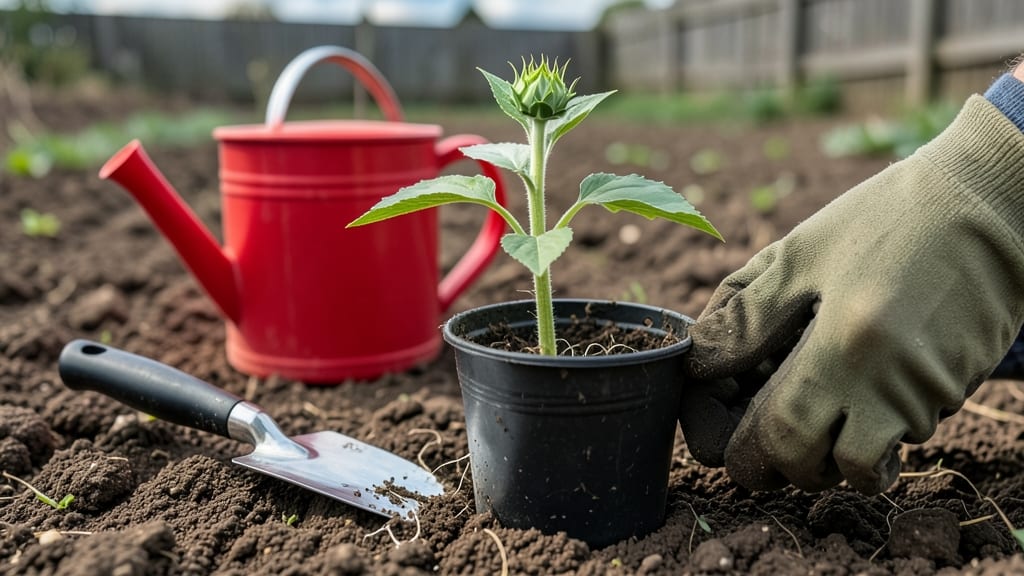
To figure out how deep to transplant sunflowers, aim for 1-2 inches below the soil line—this ensures strong root anchorage and faster growth.
Transplanting sunflowers 🌻 at the wrong depth can stunt growth or even kill your plants—but getting it right unlocks stronger stems, deeper roots, and taller blooms. Whether you're moving young seedlings or established plants, the depth matters more than you might think.
Most gardeners assume deeper is better, but sunflowers need just enough soil to stabilize their roots without smothering them. Too shallow, and they topple; too deep, and they struggle to reach sunlight. Here’s how to get it perfect every time, from soil prep to post-transplant care.
In this guide, I’ll break down the ideal transplanting depth for sunflowers in different soil types, show you how to handle roots without damage, and share pro tips to keep your plants thriving through their first critical weeks.


Optimal sunflower transplanting depth by seedling age and soil type
Sunflowers thrive when transplanted at the right depth, but many gardeners struggle with whether to bury them too deep or leave them too exposed. The key lies in understanding your seedling's root structure and soil composition—both dramatically affect nutrient absorption and stem stability.
For 2-4 inch tall seedlings, precision matters most, especially when transitioning from containers to garden beds.
Sunflower roots develop a taproot system that anchors deeply, but young seedlings need gentle handling to avoid stress. The root collar (where roots meet the stem) should always remain just above soil level.
Burying it too deep suffocates the plant, while leaving it exposed risks stem rot or weak anchorage. Let’s break down the science-backed depth guidelines tailored to your soil type and transplanting method.
🌱 Comparison Table: Optimal Transplanting Depth for Sunflowers
| Seedling Age | Soil Type | Transplant Method | Recommended Depth | Root Zone Notes |
|---|---|---|---|---|
| 2-3 inches | Sandy | Direct Sow | 1 inch deep | Loose soil; roots spread quickly |
| 2-3 inches | Clay | Direct Sow | 1.5 inches deep | Compacted soil; deeper for stability |
| 3-4 inches | Sandy | Container to Garden | 1.25 inches deep | Gently tease roots; avoid burial shock |
| 3-4 inches | Clay | Container to Garden | 1.75 inches deep | Amend soil with compost for drainage |
| 4+ inches | Loam | Direct Sow or Container | 1.5 inches deep | Balanced nutrients; ideal for all varieties |
For sandy soils, sunflower roots need less depth because the loose texture allows them to penetrate easily. Planting 1 inch deep for 2-3 inch seedlings ensures the root collar stays visible while encouraging downward growth.
In contrast, clay soils require 1.5-1.75 inches of depth to counteract compaction and provide stability for taller varieties.
When transplanting from containers, the root ball should sit just below soil level—never deeper than the original container depth. Use your finger to loosen compacted roots before placing them in the hole.
This prevents root circling, a common issue that stunts growth. For giant varieties like 'Mammoth', slightly deeper planting (up to 2 inches) supports their heavier stems.
Depth also impacts nutrient absorption. Shallow planting (less than 1 inch) exposes roots to drying winds, while overly deep planting (2+ inches) can suffocate the root collar, leading to rot.
Aim for a goldilocks zone—just deep enough to anchor the plant but not so deep that it smothers growth. Always water thoroughly after transplanting to settle the soil around roots and eliminate air pockets.
Pro tip: If your soil is heavy clay, mix in compost or perlite to improve drainage before transplanting. This adjustment reduces the need for deeper planting while still providing the stability sunflowers crave.
For container-grown seedlings, gently scratch the root ball to encourage outward root growth before planting at the recommended depth.
After transplanting, monitor your sunflowers for wilting or yellowing leaves, which may signal over-deep planting or root damage. If you notice these symptoms, gently expose the root collar by adding soil around the base rather than burying it further.
With the right depth, your sunflowers will develop stronger stems and deeper roots, setting the stage for those iconic towering blooms.
Remember, sunflowers are resilient, but precision pays off. Whether you're growing dwarf varieties for cut flowers or giant sunflowers for show, mastering transplanting depth is your first step toward a thriving garden. Happy planting! 🌻
Common transplanting mistakes that stunt sunflower growth (and how to fix them)
Even with the best sunflower seeds and fertile soil, transplanting mistakes can derail your plants before they even reach maturity. I’ve seen wilting seedlings and stunted growth from over-deep planting, compacted soil, and damaged roots—all issues that can be easily fixed with the right approach.
Let’s diagnose the most common problems and restore your sunflowers to their full potential.
Sunflowers are surprisingly resilient, but their root systems are delicate during transplanting. Planting too deep can suffocate the stem, while too shallow exposes roots to drying out. Even soil compaction from improper handling can restrict nutrient flow.
The good news? Most transplanting issues have simple solutions, and your sunflowers can bounce back with the right care.
⚠️ callout-warning
Sunflower seedlings should be transplanted at 1-2 inches deep—no deeper. Planting deeper than 2 inches buries the stem, causing rot and poor air circulation. Shallow planting (less than 1 inch) exposes roots, leading to drought stress.
🔹 Fix: Loosen soil around the root ball and adjust depth to 1 inch below soil line.
If your sunflowers show yellowing leaves or stunted stems after transplanting, the issue might be root damage from rough handling. Always gently loosen roots before planting and avoid bending the stem.
For container-grown seedlings, tease roots at the bottom to encourage spreading—this prevents root circling, a common issue that weakens plants.
Another sneaky culprit is soil compaction around the root zone. When soil is packed too tightly, it restricts oxygen flow and water absorption. To fix this, amend the soil with compost or perlite before transplanting.
After planting, water deeply to settle the soil gently and avoid creating air pockets. Mulching with straw helps maintain loose soil and retains moisture.
For wilting sunflowers post-transplant, check for underwatering or overwatering. Sunflowers need 1-2 gallons of water every 3-5 days, but soggy soil can suffocate roots. If leaves droop but recover after watering, it’s likely temporary stress.
If wilting persists, the roots may be damaged—trim any blackened roots and replant in fresh soil to encourage regrowth.
To prevent future issues, always harden off seedlings for 5-7 days before transplanting. Gradually expose them to outdoor conditions to reduce shock. And remember: sunflowers thrive in full sun, so choose a spot with 6+ hours of sunlight daily.
With these fixes, your sunflowers will grow tall, strong, and ready to bloom.