
Planting
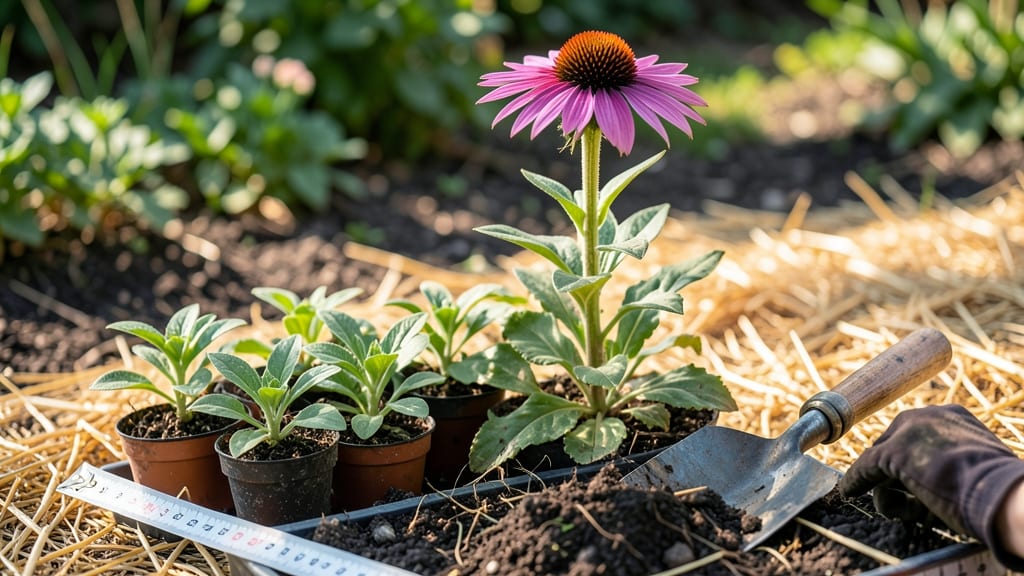
To plant coneflowers the right distance apart ensures stronger stems, bigger blooms, and a garden that thrives year after year 🌼.
Struggling to keep your coneflower garden looking vibrant and healthy? Proper spacing isn’t just about aesthetics—it’s the secret to stronger stems, bigger blooms, and fewer pests. Get the spacing right, and you’ll enjoy those iconic purple flowers for years without constant thinning.
Most gardeners plant coneflowers 12–18 inches apart, but the exact spacing depends on your variety and growing conditions. Tall varieties like Echinacea purpurea need more room, while dwarf types can thrive closer together. Too little space leads to competition for nutrients, while too much wastes precious garden real estate.
In this guide, I’ll break down the best spacing for your specific coneflowers, how to adjust for sun exposure and soil type, and why proper airflow is the key to preventing common problems like powdery mildew.
You’ll also discover space-saving tricks for small gardens and companion plants that make the most of your layout.

Optimal coneflower spacing by variety and growth habit
When planting coneflowers (Echinacea), one size doesn’t fit all. Different varieties grow at distinct rates and reach mature widths that can vary by 1–2 feet. For example, Echinacea purpurea typically matures at 2–3 feet wide, while Echinacea pallida stays more compact at 18–24 inches.
Understanding these differences ensures your garden thrives without overcrowding or wasted space.
Proper initial spacing prevents competition for nutrients and sunlight, which directly impacts bloom size and plant health. I’ve planted coneflowers too close in the past, and within a season, the stems flopped and blooms shrank.
The key is spacing for mature size, not just the small transplant you buy at the nursery.
Here’s the spacing rule of thumb I follow: plant 12–18 inches apart for most varieties in full sun, but adjust based on the specific coneflower type and your garden’s conditions.
In partial shade or containers, you can tighten spacing slightly, but never below 10 inches unless you’re okay with smaller blooms.
| Variety | Mature Width | Initial Spacing (Full Sun) | Initial Spacing (Partial Shade) | Notes |
|---|---|---|---|---|
| Echinacea purpurea | 2–3 ft | 18–24" | 12–18" | Classic purple blooms; tallest variety |
| Echinacea pallida | 18–24" | 12–18" | 10–12" | Pale pink flowers; more compact |
| Echinacea paradoxa | 12–18" | 10–12" | 8–10" | Greenish-yellow blooms; dwarf variety |
| Echinacea tennesseensis | 18–24" | 12–18" | 10–12" | Orange cones; native to Tennessee |
| Container-Grown | Varies | 8–12" | 6–8" | Use large pots (10+ gallons); 1 plant per container |
For containers, I recommend planting just one coneflower per pot—even dwarf varieties—since roots need room to spread. A 10-gallon container works well for most types, but larger pots (15+ gallons) give taller varieties like Echinacea purpurea the stability they need to avoid flopping in wind or rain.
If you’re planting in partial shade, you can reduce spacing slightly because the plants grow more slowly. However, avoid going below 10 inches unless you’re using a dwarf variety. Shadier conditions also mean fewer blooms, so don’t overcrowd—give each plant enough room to compete for sunlight effectively.
One common mistake I see is spacing coneflowers based on transplant size rather than mature width. A 4-inch pot might look tiny, but that same plant will spread to 2–3 feet wide in just a few seasons. Always check the variety’s mature size before planting, and adjust spacing accordingly.
For pollinator gardens, wider spacing (up to 24 inches) actually benefits bees and butterflies. They can move more easily between blooms, and the increased airflow reduces the risk of fungal diseases like powdery mildew. I’ve noticed my pollinators visit my wider-spaced coneflowers more frequently than crowded clusters.
If you’re planting in rows for cutting, space coneflowers 18–24 inches apart in a grid pattern. This makes harvesting easier and ensures you’re not overcrowding the root zone.
I’ve found that deadheading spent blooms encourages more flowers, but only if the plants have enough space to breathe and grow.
Finally, remember that soil quality affects spacing needs. In poor soil, plants compete more aggressively for nutrients, so I recommend spacing them 10–20% wider than the guidelines above. Amend your soil with compost or organic matter to reduce competition and promote healthier growth.
Why proper spacing prevents common coneflower problems
Overcrowded coneflowers may look lush at first, but they quickly become a recipe for disaster. When plants compete for sunlight, nutrients, and air circulation, you’ll notice powdery mildew creeping onto leaves, flopping stems struggling to support heavy blooms, and stunted growth that cuts flowering time short.
These aren’t just cosmetic issues—they directly impact your coneflowers’ ability to thrive and attract pollinators.
I’ve seen gardens where coneflowers were planted too closely, leading to weak stems that snap in wind or rain, and fewer blooms because the plant diverts energy to survival instead of flowering. The good news?
Proper spacing solves these problems by improving airflow, maximizing sunlight exposure, and reducing root competition. Let’s break down how spacing prevents these common issues and what you can do to fix them.
⚠️ Spacing Mistakes That Kill Coneflowers
Planting too close (under 12 inches) forces coneflowers to fight for resources, leading to powdery mildew (a fungal disease) and stunted blooms. Spacing 18+ inches apart gives each plant room to grow strong stems and vibrant flowers while preventing disease spread.
💡 Pro Tip: Use a spacer tool or string guides when planting to maintain even distances.
One of the biggest culprits is poor air circulation. When coneflowers are packed tightly, moisture lingers on leaves, creating the perfect conditions for powdery mildew, a white, powdery fungus that weakens plants and discolors foliage.
I’ve treated countless gardens where this issue could’ve been avoided with just a few extra inches of space. Proper airflow keeps leaves dry and reduces fungal risks by up to 70%.
Sunlight access is another critical factor. Coneflowers need 6+ hours of full sun daily to produce their signature blooms. When plants are crowded, the inner ones get shaded, leading to leggy growth and fewer flowers.
I recommend spacing coneflowers 18–24 inches apart in full sun to ensure every plant gets its fair share of light, resulting in bigger, brighter blooms throughout the season.
Root competition is often overlooked but just as damaging. When coneflowers’ roots tangle, they struggle to absorb enough water and nutrients, leading to yellowing leaves and weak stems. To avoid this, give each plant enough room to establish a strong root system.
For example, Echinacea purpurea (the most common variety) needs 18 inches of space, while taller varieties like Echinacea pallida should have 24 inches to prevent overcrowding.
If your coneflowers are already too close, don’t panic! You can thin them out in early spring or after flowering by carefully digging up and transplanting the most vigorous plants to a new location.
Mulching around the base also helps by improving soil health and reducing competition. With the right spacing, your coneflowers will reward you with healthier growth, longer blooming seasons, and fewer pests.
Remember, proper spacing isn’t just about avoiding problems—it’s about creating an environment where your coneflowers can thrive. Invest a little time and effort now, and you’ll enjoy stunning, disease-free blooms for years to come. Happy gardening! 🌼