
How To
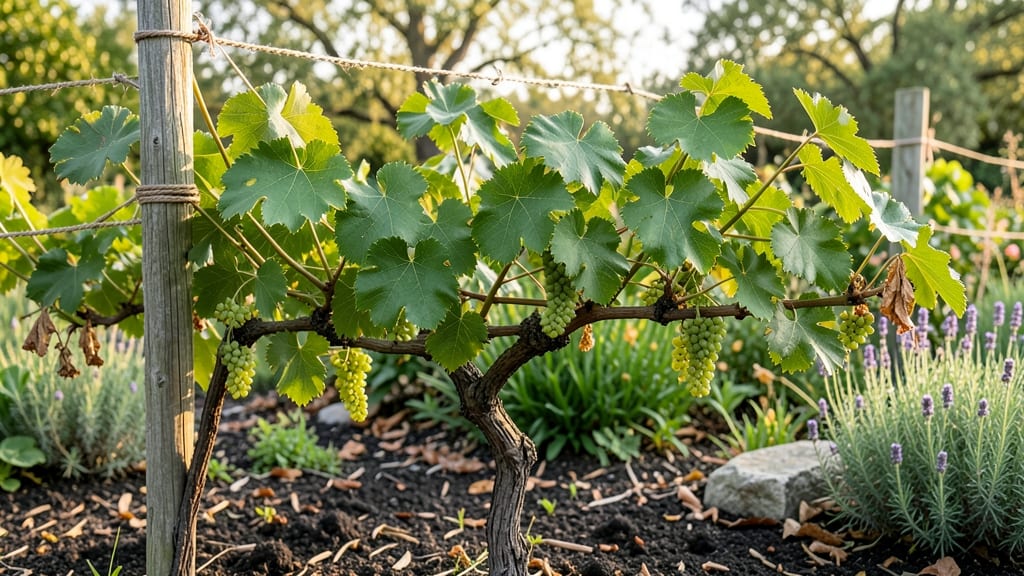
Grapes take between 60 and 120 days to grow after flowering, but the exact timeline depends on your variety and growing conditions.
Wondering when those delicate grapevine flowers will turn into plump, juicy clusters? The time from flowering to harvest varies dramatically by variety—and understanding these differences can mean the difference between a bountiful harvest and disappointment.
For example, table grapes like Thompson Seedless typically ripen in about 90 days, while wine grapes such as Cabernet Sauvignon can take 120 days or more.
Even within the same type, factors like sunlight, temperature, and watering play a huge role in how quickly your 🍇 vines produce fruit.
In this guide, I’ll break down the growth stages, share what to watch for, and give you pro tips to keep your grapes on track for a sweet, successful harvest.


Grape variety growth timeline: weeks from flowering to harvest
Understanding the grape growth timeline after flowering helps you predict harvest dates and plan care accordingly. Most varieties take 60 to 120+ days to mature from bloom to table-ready fruit, but this varies widely.
Early varieties like Thompson Seedless ripen in as little as 45 days, while late-season Cabernet Sauvignon may need 120 days or more. Knowing your grape type’s schedule lets you adjust watering, pruning, and pest control for optimal results.
Grapes progress through distinct stages after flowering: berry set (first 2-4 weeks), rapid growth (4-8 weeks), and ripening/veraison (8-12 weeks). Each stage requires specific care—like avoiding overwatering during berry set or monitoring for powdery mildew as clusters swell.
The timeline also shifts based on climate, with cooler regions extending growth periods by 10-20 days compared to warm areas.
Here’s a quick reference for common grape varieties, including their flowering-to-harvest windows and ideal growing conditions:
| Variety | Type | Days to Harvest | Harvest Month | Key Notes |
|---|---|---|---|---|
| Thompson Seedless | Table Grape | 45–60 days | July–August | Early ripener; needs warm climate |
| Concord | Table/Wine | 70–90 days | August–September | Mid-season; cold-hardy |
| Cabernet Sauvignon | Wine Grape | 120–150 days | September–October | Late ripener; needs long season |
| Muscadine | Muscadine | 90–120 days | August–October | Heat-tolerant; thick-skinned |
| Flame Seedless | Table Grape | 60–75 days | July–August | Early to mid-season; red-pink hue |
For Thompson Seedless grapes, the 45-60 day timeline means you’ll see tiny berries forming within 2 weeks of flowering, followed by rapid swelling. By week 6, clusters should be 70% of their final size, with skin color deepening.
In contrast, Cabernet Sauvignon takes nearly 5 months to ripen, requiring patience and consistent care to avoid early frost damage.
If you’re growing muscadine grapes, expect a 90-120 day window, but these varieties thrive in hot climates where other grapes might struggle. Their thick skins protect them from cracking, but they need full sun and well-drained soil to reach full flavor potential.
Pro tip: Prune aggressively in late winter to encourage larger clusters and better air circulation.
Monitoring your grapes’ progress involves checking for veraison, the stage where berries shift from green to their mature color (red, purple, or black). This typically occurs 4-6 weeks before harvest for most varieties.
For example, Concord grapes turn from green to deep purple around 8 weeks post-flowering, signaling they’re nearing readiness. Use a refractometer to test sugar levels—most table grapes need 15-20 Brix for peak sweetness.
Climate plays a huge role in timing. In Zone 7 or warmer, grapes may ripen 2-3 weeks faster than in cooler Zone 5 areas. For example, Flame Seedless grapes in California might harvest in early July, while the same variety in upstate New York could wait until mid-August.
Adjust your expectations based on your last frost date and average summer temperatures.
To speed up ripening slightly, ensure your vines get 6-8 hours of sunlight daily and maintain consistent moisture without overwatering. Avoid heavy nitrogen fertilizers late in the season, as they promote leafy growth over fruit development.
Instead, switch to a potassium-rich fertilizer in late summer to boost sugar accumulation in the berries.
Keep a gardening journal to track your grapes’ progress year after year. Note the exact date of flowering, veraison, and harvest for each variety. Over time, you’ll refine your care routine and predict harvest dates with confidence.
For instance, if your Thompson Seedless grapes typically ripen 52 days post-flowering, you can plan pruning and pest control accordingly to avoid last-minute surprises.
Key factors that speed up or delay grape ripening after flowering
After those beautiful grapevine flowers appear, the real work begins! The time it takes for grapes to ripen after flowering depends heavily on environmental conditions and your care routine.
While some varieties mature in as little as 60 days, others may take 120+ days—and that window can shift dramatically based on what you control. Let’s break down the critical factors that either accelerate or stall your grape’s journey to harvest.
First, sunlight exposure is non-negotiable. Grapes need 6-8+ hours of direct sunlight daily to ripen properly. If your vine is in partial shade, expect delayed ripening or smaller, less flavorful fruit. I’ve seen vines in full sun produce ripe grapes 30 days faster than those in dappled shade.
Position your vine near a south-facing wall or fence to maximize sunlight, especially in cooler climates.
🌱
Factors That Speed Up Grape Ripening
Accelerates photosynthesis, boosting sugar development.
Ideal range for rapid berry expansion and sugar accumulation.
Encourages strong root growth and consistent fruit development.
Supports calcium, potassium, and magnesium for berry firmness and sweetness.
Reduces disease risk and directs energy to fruit production.
Optimal range for nutrient uptake, preventing deficiencies.
Factors That Delay Grape Ripening
Slows sugar production, leading to tart, underripe grapes.
Pauses berry growth; common in early spring or late summer.
Leads to root stress, splitting, or fungal diseases like powdery mildew.
Promotes leafy growth at the expense of fruit development.
Increases humidity, inviting mold and slowing ripening.
Locks out essential nutrients, stunting berry growth.
Temperature also plays a huge role. Grapes thrive in 75-90°F during the day, with cooler nights helping them develop flavor. If your region experiences heatwaves above 95°F, ripening can stall until temperatures drop.
I’ve seen grapes in Southern California ripen in 70 days during ideal summers, while Pacific Northwest growers often wait 100+ days due to cooler climates. Use shade cloth during extreme heat to protect delicate fruit.
Watering might seem simple, but timing and depth make all the difference. Grapes need deep watering 1-2 times per week (1-2 gallons per vine) to encourage strong roots. Shallow watering leads to weak vines and split berries, while overwatering can delay ripening by keeping the soil too moist.
Always water early in the morning to reduce fungal risks like black rot or powdery mildew—two common enemies of ripening grapes.
Finally, pruning and soil health can’t be overlooked. Prune your vine annually in late winter to remove dead or crowded wood, which improves airflow and directs energy to fruit production. Test your soil’s pH and nutrient levels—grapes need calcium, potassium, and magnesium for sweetness and structure.
If your soil is deficient, amend it with compost or a balanced fertilizer (like 10-10-10) 4-6 weeks after flowering to give your vines a boost.
By mastering these factors, you’ll turn those delicate flowers into juicy, sun-ripened grapes in record time. Keep an eye on your vines, adjust as needed, and soon you’ll be harvesting clusters that burst with flavor! 🍇